


International Travel Packing Checklist: What to Pack for Your First Trip Abroad
Packing for an international trip can feel surprisingly complicated.
A weekend trip at home is one thing. Travelling abroad is different. You may need important documents, adapters, prescription medication, backup payment options, and enough essentials to handle a delayed bag without turning your first day into a stressful shopping trip.
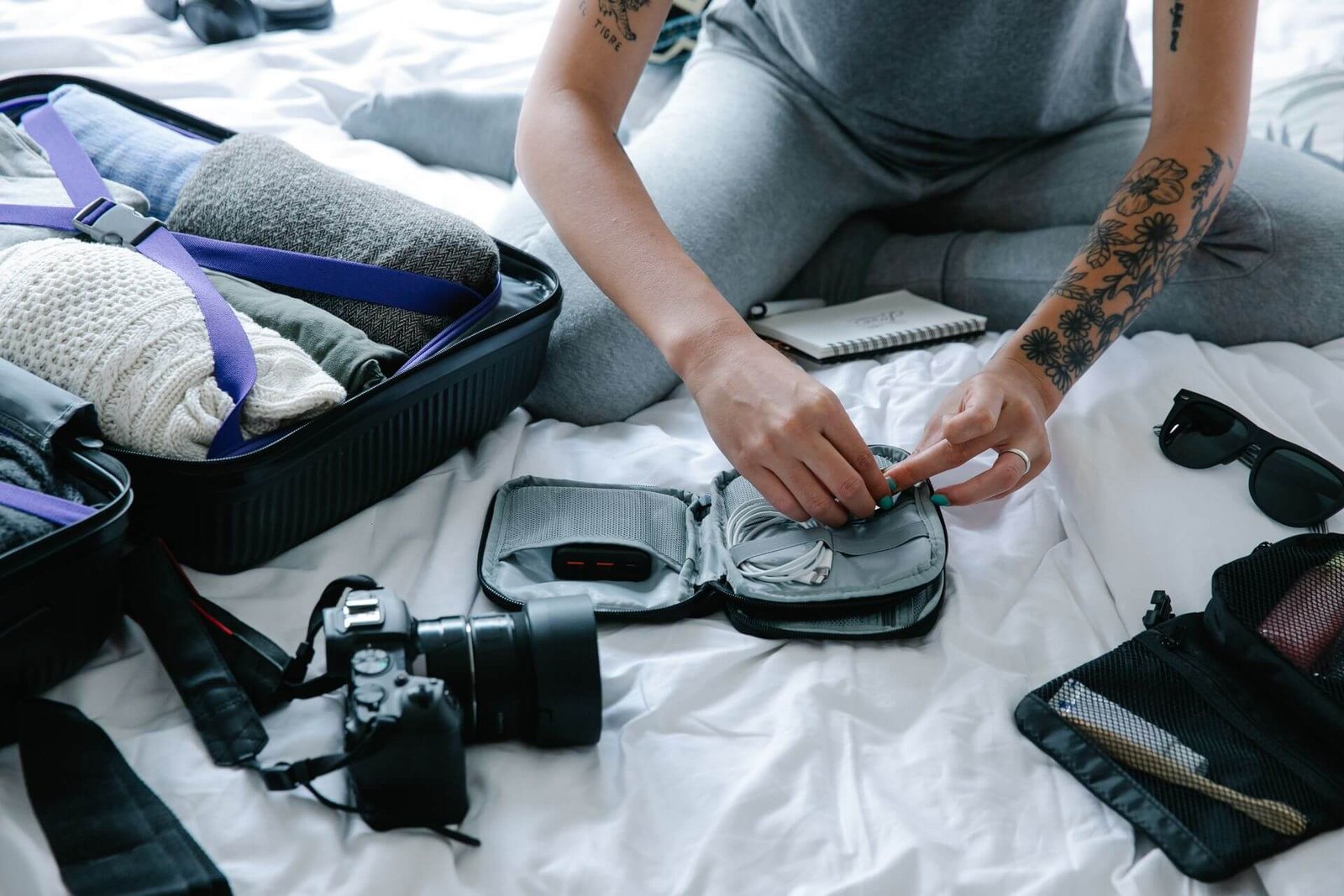
The good news is that you don’t need to pack everything you own.
A better approach is to separate your packing into a few categories: documents, carry-on essentials, clothing, toiletries, electronics, and destination-specific items.
If you’re still organizing the rest of your trip, our guide on how to plan your first solo trip can help you build your itinerary before you start packing.
For trips that involve multiple destinations, learning how to plan a smooth and stress-free road trip can also help you decide what you actually need to pack.
This international travel packing checklist is designed especially for first-time travelers who want a practical starting point.
Before You Start Packing: Check Your Destination Requirements
Before putting anything into your suitcase, take a few minutes to check the requirements for the country you’re visiting.
Entry requirements can vary depending on your destination and nationality. Your trip may involve passport validity rules, a visa or electronic travel authorization, vaccination or health requirements, or other entry conditions.
If you’re trying to keep your trip affordable, these practical tips on how to travel on a budget can help you plan your expenses before you leave.
Your pre-packing checklist:
- Check your passport expiration date
- Confirm visa or electronic travel authorization requirements
- Review destination-specific entry requirements
- Check your airline’s baggage allowance
- Review current Travel Advisories
- Check the weather forecast closer to departure
- Confirm your accommodation address
- Save important reservations offline
Along with checking entry requirements, take time to learn about local customs and cultural traditions so you can prepare for differences in dress, etiquette, and everyday interactions.
Important: Don’t rely on an old blog post or social media video for visa or entry requirements. These rules can change.
Before departure, review these travel apps for international travel to help with navigation, translation, bookings, and everyday trip planning.
1. Travel Documents: The Things You Cannot Afford to Forget
Start with the items that would be difficult—or impossible—to replace during your trip.
Essential travel documents:
- Passport
- Required visa or travel authorization
- Flight confirmation
- Hotel or accommodation information
- Travel insurance information
- Emergency contact details
- Transportation reservations
- Copies of important documents
The U.S. Department of State recommends making copies of important travel documents and keeping copies separate from the originals. It also recommends sharing a copy with a trusted person when appropriate.
Practical tip:
Keep your passport and other essential documents together in a secure travel document organizer.
But don’t put every important document in one place. Having a backup can make a stressful situation easier to manage if something is lost or stolen.
2. Your Carry-On Bag: Pack for the First 24 Hours
Your carry-on should contain the things you would most miss if your checked luggage arrived late.
This is one of the simplest ways to make international travel less stressful.
Carry-on essentials:
- Passport and travel documents
- Wallet and payment cards
- Phone
- Phone charger
- Prescription medication
- A change of clothes
- Basic toiletries
- Headphones
- Laptop or tablet, if needed
- Important valuables
- Travel insurance information
- Reusable water bottle to fill after security
- Snacks
If you’re traveling with expensive or fragile electronics, consider keeping them in your carry-on rather than checked luggage. TSA guidance notes that valuable electronics may be carried in checked bags, but recommends packing expensive and fragile electronics in carry-on baggage.
3. Clothing: Pack for Your Actual Itinerary
One of the biggest packing mistakes is choosing clothes for an imaginary version of your trip.
You may picture yourself wearing a different outfit every day. In reality, you might wear the same comfortable shoes repeatedly.
Instead of packing by outfit, think about your itinerary.
Ask yourself:
- How many days will I actually be traveling?
- Will I have access to laundry?
- Am I visiting restaurants with dress codes?
- Will I be walking long distances?
- Does the weather change significantly during the trip?
A practical clothing checklist:
- Comfortable tops
- Pants, shorts, or skirts
- Underwear
- Socks
- Sleepwear
- Comfortable walking shoes
- One slightly dressier outfit, if needed
- Light jacket or sweater
- Weather-appropriate outerwear
- Swimwear, if relevant
A simple rule:
Choose clothes that work together.
If most of your tops can be worn with most of your bottoms, you’ll have more outfit options without carrying extra weight.
4. Shoes: Bring Fewer Than You Think
Shoes take up a surprising amount of space.
For many trips, you can manage with:
- One comfortable pair of walking shoes
- One lighter or more casual option
- Sandals or flip-flops, if appropriate
That’s often enough. Before packing a pair of shoes, ask yourself:
Will I realistically wear these?
If the answer is “maybe,” they probably don’t need to come.
5. Toiletries: Keep It Simple
Toiletries are easy to overpack because many items are available in small travel sizes.
Focus on what you genuinely use.
Basic toiletries:
- Toothbrush
- Toothpaste
- Deodorant
- Shampoo and conditioner
- Soap or body wash
- Skincare essentials
- Sunscreen
- Razor
- Hairbrush or comb
- Feminine hygiene products, if needed
- Contact lens supplies, if applicable
For travelers departing from U.S. airports, TSA’s carry-on liquid rules generally limit liquids, gels, aerosols, creams, and pastes to containers of 3.4 ounces (100 mL) or less, packed in one quart-sized clear bag per passenger, with certain exceptions such as medically necessary items. Always check current rules before departure.
Before flying, check TSA’s current carry-on liquids rules because security requirements can change.
Packing tip:
Don’t pack full-size bottles just because you already own them.
Travel-size containers can save significant space and weight.
6. Medication and Basic Health Items
Medication deserves extra attention when traveling internationally.
Pack:
- Prescription medication
- A copy of your prescription when appropriate
- Medication in original labeled containers when practical
- Basic pain relief medication
- Bandages
- Any personal medical supplies you regularly use
The U.S. Department of State warns that some medications that are legal in the United States may be restricted or illegal in other countries. Check your destination’s guidance before traveling.
Important:
Don’t assume your normal medication rules apply everywhere.
Check destination-specific requirements before you leave.
7. Electronics You May Actually Need
Technology can make international travel easier, but you don’t need to bring every device you own.
Useful electronics include:
- Smartphone
- Charging cable
- Power bank
- Universal travel adapter
- Laptop or tablet, if necessary
- Camera, if you regularly use one
- Headphones
Before buying an adapter, check what type of electrical outlet your destination uses.
A travel adapter changes the shape of the plug. It does not necessarily convert voltage.
Always check whether your device supports the voltage used at your destination.
8. Don’t Forget a Backup Charging Option
Your phone often becomes your:
- Boarding pass
- Map
- Camera
- Translator
- Reservation holder
- Communication device
That makes a portable power bank particularly useful during long travel days.
Keep your charging cable somewhere easy to reach.
A dead phone isn’t always a disaster, but it becomes inconvenient very quickly when your hotel address, tickets, and directions are all stored digitally.
9. Money and Payment Cards
Carrying only one payment method can create unnecessary problems.
A practical setup may include:
- A primary credit or debit card
- A backup card stored separately
- A small amount of local currency when useful
- Access to emergency funds
Before traveling, check whether your bank requires travel notifications and understand any foreign transaction fees.
Avoid carrying large amounts of cash unless you have a specific reason.
IF you Don’t Have an Experience of a Budget then Read our Guide on How to Travel on a Budget Without Sacrificing the Experience
10. Travel Insurance Information
Travel insurance is not something you pack in a suitcase, but you should keep the policy information easy to access.
Depending on your policy, coverage may include things such as:
- Emergency medical care
- Medical evacuation
- Trip interruption
- Lost or delayed luggage
Coverage varies significantly between policies.
The U.S. Department of State notes that U.S. government assistance does not replace travel insurance and that many U.S. health insurance plans may not cover medical care abroad. Travelers should review their own coverage before departure.
Save your policy number and emergency contact information somewhere you can access even without an internet connection.
11. Destination-Specific Items
This is where a generic packing checklist needs to become personal.
Think about where you’re actually going.
Beach destination?
Consider:
- Swimwear
- Reef-safe sunscreen where appropriate
- Hat
- Sunglasses
- Lightweight clothing
Cold destination?
Consider:
- Thermal layers
- Warm jacket
- Gloves
- Hat
- Waterproof footwear
City trip?
You may need:
- Comfortable walking shoes
- Small day bag
- Light rain jacket
- Portable charger
Hiking or outdoor trip?
Consider:
- Appropriate footwear
- Weather protection
- Reusable water bottle
- Daypack
Don’t pack based only on the country.
Weather can vary dramatically within the same destination.
12. What Should Go in Your Checked Bag?
Your checked luggage is best for items you won’t immediately need during your journey.
Good checked-bag items include:
- Most clothing
- Larger toiletries
- Extra shoes
- Non-essential accessories
- Items you don’t need during the flight
Before packing, check your airline’s current baggage weight and size limits.
Airline rules vary, and fees can change.
13. Things You Should Usually Keep Out of Your Checked Bag
Whenever possible, avoid putting these items in checked luggage:
- Passport
- Essential medication
- Important documents
- Valuables
- Wallet
- Primary payment cards
- Devices you need immediately
- A change of clothes
The goal is simple:
If losing the item would immediately ruin the first day of your trip, consider keeping it with you.
14. International Travel Packing Checklist: Quick Version
If you just want the essentials, use this checklist.
Documents
☐ Passport
☐ Visa or travel authorization, if required
☐ Flight information
☐ Accommodation information
☐ Travel insurance information
☐ Emergency contacts
☐ Copies of important documents
Carry-On
☐ Phone
☐ Charger
☐ Power bank
☐ Medication
☐ Wallet
☐ Payment cards
☐ Headphones
☐ Change of clothes
☐ Basic toiletries
Clothing
☐ Everyday outfits
☐ Underwear
☐ Socks
☐ Comfortable walking shoes
☐ Weather-appropriate layers
☐ Sleepwear
☐ Swimwear, if needed
Toiletries
☐ Toothbrush
☐ Toothpaste
☐ Deodorant
☐ Skincare essentials
☐ Sunscreen
☐ Hairbrush
☐ Other personal items
Electronics
☐ Phone
☐ Charging cables
☐ Power bank
☐ Travel adapter
☐ Laptop or tablet, if needed
☐ Headphones
15. A Better Way to Pack Your Suitcase
Instead of throwing everything into your suitcase at once, pack in stages.
Step 1: Lay everything out
Put everything you think you need on a bed or table.
Step 2: Remove unnecessary items
Ask yourself whether you will realistically use each item.
Step 3: Pack by category
Group together:
- Clothing
- Toiletries
- Electronics
- Documents
Step 4: Keep essentials accessible
Don’t bury your passport, medication, or charger under everything else.
Step 5: Leave a little extra space
You may buy something during your trip.
A completely full suitcase gives you no flexibility.
Common International Travel Packing Mistakes
Packing too many clothes
Most people wear their favorite comfortable items repeatedly.
Pack fewer things that work well together.
Forgetting important documents
A missing passport or visa can cause far more trouble than forgetting an extra shirt.
Always check documents first.
Putting medication in checked luggage
Keep essential medication with you whenever possible.
Ignoring airline baggage rules
Check your airline before leaving for the airport.
Don’t assume every airline has the same weight limits.
Packing prohibited items in your carry-on
Rules can vary depending on the item and airport procedures.
Before packing something you’re unsure about, check TSA’s current What Can I Bring? guidance if departing from the United States.
Final Thoughts
The best international travel packing list is not the longest one.
It’s the one that matches your trip.
A beach vacation in Hawaii, a winter trip to Europe, and a two-week backpacking journey through Asia all require different things.
Start with your essential documents. Build a carry-on that can handle a delayed checked bag. Then pack clothing and other items based on your actual itinerary.
And remember: most things can be purchased abroad if necessary.
Your passport and essential documents are much harder to replace Pack those first.
Must Read our Guide on 10 Cultural Traditions Travelers Should Know Before Visiting Different Countries
Frequently Asked Questions
What should I pack for my first international trip?
Start with your passport, required travel documents, payment cards, medication, phone, charger, and a few essential items in your carry-on. Then pack clothing based on your destination and itinerary.
What should I always keep in my carry-on?
Keep your passport, important documents, medication, payment cards, valuables, phone, charger, and basic essentials in your carry-on.
How early should I start packing for an international trip?
Starting a few days before departure gives you time to check documents, buy missing items, and avoid last-minute mistakes.
How many outfits should I pack for a two-week international trip?
It depends on your destination and access to laundry. Many travelers can pack fewer than 14 complete outfits by choosing clothes that can be mixed and reused.
Can I bring liquids in my carry-on?
If departing from a U.S. airport, TSA generally limits carry-on liquids, gels, aerosols, creams, and pastes to containers of 3.4 ounces (100 mL) or less, subject to applicable exceptions. Check current TSA guidance before traveling



-
-
-
-
-
-
-
-
-
-
-
-
-
-
-
Show Comments[…] For more preparation ideas, see our international travel packing checklist. […]
[…] International travel packing checklist […]
[…] Before downloading your apps, you may also want to review our international travel packing checklist. […]
[…] International Travel Packing Checklist: What to Pack for Your First Trip Abroad […]
[…] International Travel Packing Checklist: What to Pack for Your First Trip Abroad […]
[…] International Travel Packing Checklist: What to Pack for Your First Trip Abroad […]
[…] International Travel Packing Checklist: What to Pack for Your First Trip Abroad […]
[…] International Travel Packing Checklist: What to Pack for Your First Trip Abroad […]
[…] For a complete international packing checklist, see Travel To Fit’s International Travel Packing Checklist. […]
[…] International Travel Packing Checklist: What to Pack for Your First Trip Abroad […]
[…] International Travel Packing Checklist: What to Pack for Your First Trip Abroad […]
[…] International Travel Packing Checklist: What to Pack for Your First Trip Abroad […]
[…] International Travel Packing Checklist: What to Pack for Your First Trip Abroad […]
[…] International Travel Packing Checklist: What to Pack for Your First Trip Abroad […]
[…] International Travel Packing Checklist: What to Pack for Your First Trip Abroad […]