

Europe Christmas Markets: 7 Magical Destinations & Travel Tips
There is something different about visiting Europe in December.
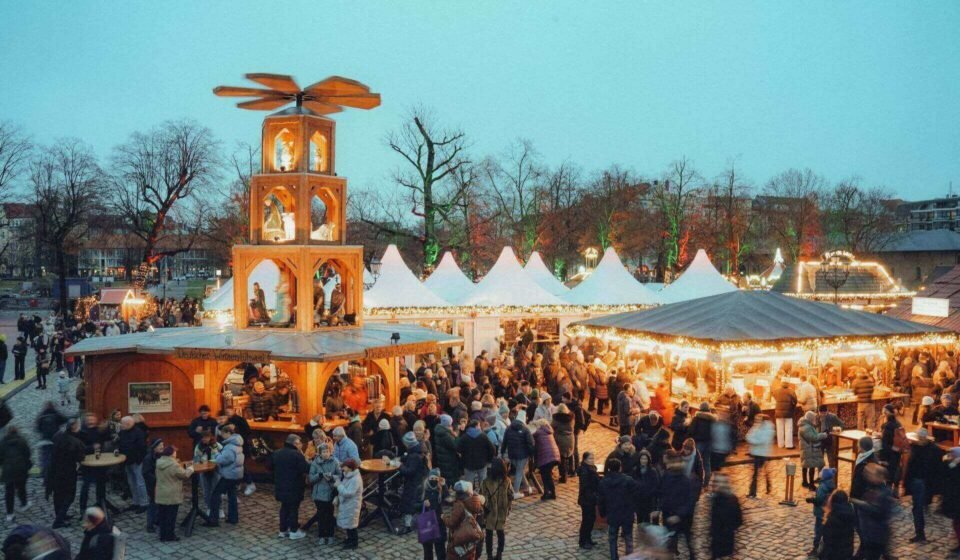
Historic squares are covered with lights, small wooden stalls appear in city centers, and the smell of baked goods, roasted nuts, and warm drinks fills the streets. In some cities, Christmas markets are small neighbourhood traditions. In others, they spread across several central squares.
A Christmas market trip can also be an easy way to combine several European cities in one winter vacation.
But choosing where to go takes a little planning. Market dates vary, some close before Christmas Eve, and popular cities can become extremely busy on weekends.
Here are seven European Christmas market destinations worth considering, along with what makes each one different and practical information to help you plan.
Note: Christmas market schedules can change from year to year. The 2026 dates included below are based on official tourism or city sources available at the time of writing. Check the official event website again before booking flights or hotels.
7 Europe Christmas Markets at a Glance
| Destination | Best known for | 2026 information | Good for |
|---|---|---|---|
| Vienna, Austria | Multiple historic markets | Nov. 6–Dec. 26+ depending on market | First-time visitors |
| Strasbourg, France | Historic Alsatian setting | Nov. 26–Dec. 24 | Traditional atmosphere |
| Nuremberg, Germany | Historic Christkindlesmarkt | Nov. 27–Dec. 24 | Traditional German market |
| Prague, Czechia | Old Town setting | Nov. 28–Jan. 6 for major markets | Architecture + markets |
| Cologne, Germany | Multiple city markets | From mid-November 2026 | Market variety |
| Dresden, Germany | Traditional German Christmas culture | Check official 2026 schedule | History + traditions |
| Budapest, Hungary | Central-city winter atmosphere | Check official 2026 schedule | Food + city sightseeing |
Important: This isn’t a ranking. Each destination offers a different type of Christmas market experience.
1. Vienna, Austria
Vienna is particularly interesting for Christmas market travelers because you don’t have to rely on a single market.
The city has multiple seasonal markets spread across different neighborhoods and historic locations, including Rathausplatz, Schönbrunn Palace, Belvedere Palace, Stephansplatz, Spittelberg, and Karlsplatz.
That makes Vienna useful if you want to turn Christmas markets into part of a larger city trip rather than spending an entire day in one location.
What makes Vienna special?
The setting is a major part of the experience.
You can move from a market in front of Vienna City Hall to another near a palace, historic square, or residential neighborhood.
The city’s official tourism information lists the 2026 Rathausplatz market from November 13 through December 26, while the Schönbrunn market is scheduled for November 6, 2026 through January 6, 2027.
What to eat and drink
Depending on the market, you can expect things such as:
- Austrian pastries
- Roasted nuts
- Sausages
- Gingerbread and cookies
- Hot punch
- Mulled wine
- Other seasonal specialties
Who might enjoy Vienna?
Vienna works particularly well if you want to combine:
Christmas markets + museums + historic architecture + cafés + winter sightseeing
Practical tip
Don’t spend your entire trip at Rathausplatz.
Allow time to explore smaller markets such as Spittelberg or Freyung as well. The atmosphere can feel different from the larger central markets.
Official source: Vienna Christmas Markets – Official City Guide
2. Strasbourg, France
Strasbourg has a long Christmas-market tradition and is closely associated with the holiday season in the Alsace region.
The city’s tourism office says the Strasbourg Christmas Market dates back to 1570, and the event now spreads across multiple locations in the historic center.
For travelers, one of the biggest attractions is that the market experience isn’t confined to one square.
You can walk through the historic center and encounter decorated streets, illuminated buildings, market stalls, food, and seasonal displays along the way.
What makes Strasbourg special?
The architecture.
The combination of:
- Half-timbered buildings
- Narrow historic streets
- Strasbourg Cathedral
- Illuminated squares
- Christmas decorations
creates a very different experience from markets located in modern city centers.
2026 dates
The official Strasbourg Christmas information lists the markets from November 26 through December 24, 2026.
What to eat
Depending on the market and vendor, look for Alsatian specialties such as:
- Flammekueche
- Bretzels
- Gingerbread
- Bredle cookies
- Sausages
- Regional pastries
Practical tip
Strasbourg is a walking-heavy experience.
The city’s official guidance recommends comfortable shoes and warm clothing, and its central markets are arranged within walking distance of one another.
If you don’t enjoy large crowds, consider visiting on a weekday rather than building your trip around a December weekend.
Official source: Strasbourg – Capital of Christmas
3. Nuremberg, Germany
Nuremberg’s Christkindlesmarkt is one of Germany’s best-known Christmas markets and has a long-established identity of its own.
The official Nuremberg tourism website describes the market as taking place in the city’s historic Old Town, with food, shopping, cultural programming, and seasonal decorations.
2026 dates
The Nuremberg Christkindlesmarkt is scheduled for November 27 through December 24, 2026.
On December 24, the market is scheduled to close earlier than on regular days.
What makes it interesting?
Nuremberg is a good choice if you want the Christmas market itself to be a major part of your trip.
The surrounding Old Town also gives you plenty to explore outside the market.
What to try
Traditional market foods can include:
- Nuremberg sausages
- Gingerbread
- Roasted nuts
- Pretzels
- Seasonal sweets
- Mulled wine and other hot drinks
Practical tip
If you’re planning to visit near Christmas Eve, check the exact closing time carefully.
December 24 is not a normal market day, and the official schedule shows an earlier closing time.
Official source: Nuremberg Christkindlesmarkt – Official Tourism Information
4. Prague, Czechia
Prague adds something different to a Christmas-market trip: an impressive historic city as the backdrop.
The major Christmas markets are centered around locations including Old Town Square and Wenceslas Square.
According to VisitCzechia, the 2026 Old Town Square and Wenceslas Square markets are scheduled from November 28, 2026 through January 6, 2027.
What makes Prague special?
The location.
Instead of simply visiting a market and leaving, you can combine the experience with:
- Old Town Square
- Prague Castle
- Charles Bridge
- Historic streets
- Churches and museums
- Czech restaurants and cafés
What to eat
Common Christmas-market foods and drinks include:
- Mulled wine
- Hot mead
- Sausages
- Roasted nuts
- Sweet pastries
- Traditional Czech snacks
Visit Czechia specifically lists trdelník, hot mead, mulled wine, and ham among foods and drinks available at Prague’s Christmas markets.
Practical tip
Prague’s central markets can be busy, particularly during peak December periods.
If photography is important to you, early morning or quieter weekday visits can give you more breathing room.
If you’re planning a winter getaway for two, explore our guide to romantic cities in Europe for couples for more destination ideas.
Official source: VisitCzechia – Prague Christmas Markets
5. Cologne, Germany
Cologne is useful for travelers who want more than one Christmas market in the same city.
The city’s official tourism website highlights several markets, including the Christmas market beside Cologne Cathedral, Heinzels Winter Fairytale in the Old Town, the Harbour Christmas Market, and others.
That means you can explore different markets rather than spending your entire Christmas-market trip at one location.
Cologne Cathedral Market
The market at the foot of Cologne Cathedral combines seasonal food, crafts, entertainment, and the city’s famous cathedral setting.
Heinzels Winter Fairytale
Located around Alter Markt and Heumarkt in the Old Town, this market includes themed areas and an ice-skating rink.
Harbour Christmas Market
The Harbour Christmas Market gives you a different setting beside the Rhine and near the Chocolate Museum.
What makes Cologne special?
Variety.
If you like exploring different neighborhoods and market styles, Cologne gives you several options within one city.
Practical tip
Use public transportation rather than trying to drive between markets.
Cologne Tourism specifically recommends public transportation for several of its Christmas-market locations.
Official source: Cologne Tourism – Christmas Markets
6. Dresden, Germany
Dresden is another destination worth considering if you’re interested in the historical side of German Christmas traditions.
The city is home to the Striezelmarkt, a Christmas market with a long history, and Dresden’s wider Christmas season includes traditional crafts, food, decorations, and cultural events.
Rather than treating Dresden as simply another Christmas market stop, consider combining the market with the city’s historic center.
What to explore beyond the market
You can combine your visit with:
- Dresden’s historic Old Town
- Museums
- Historic churches
- Riverfront walks
- Traditional Saxon food
What to look for
Saxon Christmas traditions are an important part of the experience.
You may encounter:
- Wooden Christmas decorations
- Traditional crafts
- Stollen
- Roasted nuts
- Hot seasonal drinks
Practical tip
Dresden works well as part of a broader eastern Germany itinerary.
If you’re already visiting Prague, the two cities can be considered together when planning a regional winter trip.
Planning note: Because Christmas-market dates and schedules can change, check Dresden’s official event information before booking your trip.
7. Budapest, Hungary
Budapest offers a different kind of Christmas-market trip.
Instead of focusing only on traditional German-speaking Christmas markets, you can combine seasonal markets with the city’s architecture, thermal baths, cafés, and evening city views.
Central areas such as Vörösmarty Square and the area around St. Stephen’s Basilica have traditionally been associated with Budapest’s Christmas season.
What makes Budapest interesting?
You can combine Christmas-market visits with:
- Historic architecture
- Thermal baths
- Danube views
- Hungarian food
- Cafés
- Evening sightseeing
What to eat
Depending on the market and season, you may encounter:
- Kürtőskalács
- Hungarian sausages
- Goulash-style dishes
- Roasted chestnuts
- Langos
- Mulled wine
Practical tip
Don’t plan your entire Budapest trip around the markets.
The city itself is a major part of the experience, so give yourself time for sightseeing during daylight hours and visit the markets later in the afternoon or evening.
Planning note: Check the official Budapest tourism/event information for the confirmed 2026 dates before making non-refundable bookings.
When Is the Best Time to Visit Europe’s Christmas Markets?
There isn’t one perfect date for every traveler.
The right timing depends on what you want from the trip.
Late November
This can be useful if you want to:
- Avoid some of the peak December crowds
- Experience the opening period
- Find potentially better hotel availability
- Enjoy a more relaxed itinerary
But some smaller markets may not have opened yet.
Early December
This is a good period to consider if you want the full Christmas atmosphere while still having several weeks before Christmas Day.
Markets such as Vienna, Strasbourg, Nuremberg, and Prague are operating during this period based on their published 2026 schedules.
Week before Christmas
This is when the atmosphere can feel especially festive.
However, demand can also be high.
Hotels and transportation can become more expensive, and popular markets can be crowded.
After Christmas
This is where market schedules become important.
Some markets close before Christmas, while others continue into late December or early January.
For example, several Vienna markets continue beyond December 23, and Prague’s major markets are scheduled into January 2027.
So don’t assume every European Christmas market operates through New Year’s.
How Many Days Do You Need?
For a first Christmas-market trip, 5–7 days can give you enough time to experience two or three destinations without turning the trip into a race.
For example:
Option 1: Austria + Czechia
Vienna → Prague
Spend:
- 3 days in Vienna
- 2–3 days in Prague
Option 2: Germany
Nuremberg → Dresden → Cologne
This gives you several different German Christmas-market experiences.
Option 3: France + Germany
Strasbourg → Nuremberg
This works well if you want to experience different regional traditions.
Don’t try to visit six or seven cities in one week simply to collect markets.
Winter travel includes shorter daylight hours, colder weather, and potentially slower transportation. Leaving some breathing room usually makes the trip more enjoyable.
How Much Does a Christmas Market Trip Cost?
Your total budget depends on:
- Where you stay
- When you travel
- Flight prices
- Train tickets
- Hotel category
- Number of cities
- Food and shopping
- Activities outside the markets
The markets themselves may have free entry, but free admission doesn’t mean the trip is inexpensive.
You still need to budget for accommodation, transportation, meals, attractions, and shopping.
For more practical ways to control your overall travel spending, read our guide on how to travel on a budget without sacrificing the experience.
A simple daily budget structure
Instead of setting one unrealistic number for every European city, divide your budget into:
Accommodation
Hotel or apartment
Transportation
Airport transfers + trains + local transit
Food
Breakfast + market food + dinner
Activities
Museums, attractions, tours
Shopping
Gifts and Christmas decorations
Emergency buffer
Extra money for unexpected expenses
This makes your planning more useful than relying on a single “Europe Christmas market budget.”
What Should You Pack for a Christmas Market Trip?
Cold weather can make a huge difference to how much you enjoy walking around outdoor markets.
Pack:
- Warm winter coat
- Thermal layers
- Comfortable waterproof shoes
- Warm socks
- Gloves
- Hat
- Scarf
- Portable power bank
- Small day bag
- Reusable water bottle
- Lip balm
- Any required medications
One item people often underestimate: shoes
For a broader preparation list covering documents, clothing, electronics, and other essentials, see our international travel packing checklist.
Christmas markets are primarily walking experiences.
You may spend hours moving between stalls, squares, restaurants, train stations, and attractions.
Warm, comfortable shoes are much more useful than packing an extra pair of fashionable footwear that you won’t want to walk in.
Christmas Market Travel Tips for First-Time Visitors
1. Check official dates before booking
This is particularly important because market dates can change.
For 2026, official sources already publish different schedules. Vienna has markets running into January, while Nuremberg’s main market ends on December 24.
Never assume every city follows the same calendar.
2. Visit smaller markets too
The largest market isn’t necessarily the only one worth seeing.
Vienna and Cologne, for example, have multiple markets with different settings and themes.
Give yourself time to explore beyond the most famous square.
If you want to explore beyond the main Christmas-market cities, our guide to beautiful European towns worth visiting beyond the big cities offers more places to consider for a European itinerary.
3. Go earlier in the day
If you’re not interested in crowds, consider visiting earlier.
Then return after dark if you want to see the lights.
This gives you two different experiences of the same market.
4. Carry some cash
Some vendors accept cards, but carrying some local currency is still useful.
Don’t depend entirely on contactless payments when visiting small stalls or temporary markets.
5. Bring a reusable shopping bag
Christmas markets are full of small gifts and decorations.
A lightweight reusable bag makes it easier to carry purchases during the day.
6. Don’t over-schedule your trip
A Christmas-market vacation is better when you leave room for wandering.
Some of the nicest moments may come from walking through an old neighborhood, stopping for coffee, or finding a small market you hadn’t planned to visit.
Christmas Market Food to Look For
Food is a major part of the experience.
Depending on the country, look for:
Germany
- Bratwurst
- Pretzels
- Gingerbread
- Roasted nuts
- Stollen
Austria
- Sausages
- Kaiserschmarrn
- Christmas cookies
- Roasted nuts
- Hot punch
France / Alsace
- Flammekueche
- Bredle
- Gingerbread
- Pretzels
- Alsatian specialties
Czechia
- Trdelník
- Sausages
- Roasted nuts
- Ham
- Hot drinks
Hungary
- Kürtőskalács
- Lángos
- Sausages
- Seasonal sweets
Food offerings vary by market, so treat these as examples rather than guaranteed menus.
Christmas Markets and Sustainable Travel
Christmas markets can also be approached more thoughtfully.
Strasbourg’s official tourism guidance, for example, recommends arriving by train, using public transportation, walking, and visiting on weekdays when possible.
For your own trip, consider:
- Taking trains between nearby cities
- Using public transportation within cities
- Staying close to central attractions
- Carrying a reusable bottle
- Buying fewer, better-quality souvenirs
- Supporting local artisans where possible
- Avoiding unnecessary short-distance flights
If sustainability is important to you, you can also read our guide to practical sustainable travel tips.
Are Christmas Markets Good for Families?
Yes, but your choice of destination matters.
Markets can be fun for families because they combine:
- Food
- Lights
- Decorations
- Seasonal activities
- Ice skating in some locations
- Children’s entertainment
- Easy walking routes
Vienna’s Rathausplatz market, for example, includes a children’s area and ice-skating activities.
Cologne also lists children’s programs at some of its markets.
For families, look at the official market program rather than choosing a destination based only on photographs.
Are Christmas Markets Good for Solo Travelers?
They can be.
Markets are informal, public places where you can walk around at your own pace without needing to organize a formal dining experience.
For solo travelers, consider:
- Staying near public transportation
- Visiting during daylight first
- Keeping your phone charged
- Avoiding overly crowded areas with valuables easily accessible
- Booking accommodation within easy reach of the city center
You can also combine a Christmas-market trip with our first solo trip guide for additional planning ideas.
FAQ
What are the best Christmas markets in Europe?
Europe has many different Christmas-market traditions, so the right destination depends on what you want from the trip. Vienna offers multiple markets across the city, Strasbourg combines markets with an historic Alsatian setting, Nuremberg focuses heavily on its traditional Christkindlesmarkt, and Prague combines markets with a historic city center.
What month is best for European Christmas markets?
December is the most obvious choice if you want the full Christmas atmosphere, but late November and early December can also work well. Always check individual market dates because opening periods differ.
How cold are European Christmas markets?
Weather varies by country and year, but December can be cold, wet, windy, or snowy depending on the destination. Pack for winter conditions rather than assuming you’ll get snow.
How many Christmas markets should I visit on one trip?
For a 5–7 day trip, two or three cities is usually enough to explore without rushing. A longer trip allows more destinations.
Are European Christmas markets expensive?
They can be, particularly in popular cities during December. Market admission may be free, but accommodation, transportation, food, and shopping can add up quickly.
Do Christmas markets stay open after Christmas?
Some do and some don’t. Vienna has several markets continuing after December 23, while Nuremberg’s main Christkindlesmarkt ends on December 24. Prague’s major 2026 markets are scheduled to continue into January.
Final Thoughts
A European Christmas-market trip doesn’t have to be about visiting as many cities as possible.
Pick a destination based on the kind of trip you actually want.
If you want multiple markets in one city, Vienna or Cologne can give you plenty to explore. If historic surroundings matter most, Strasbourg and Prague offer a strong combination of markets and old-city sightseeing. If you’re interested in traditional German Christmas-market culture, Nuremberg and Dresden are worth considering.
And remember that the market is only one part of the trip.
Leave time for the city itself, try local food, use public transportation, walk through neighborhoods, and give yourself enough time to enjoy the cold-weather atmosphere without constantly checking the clock.



[…] travelers interested in seasonal European experiences, our guide to Europe Christmas Markets: 7 Magical Destinations & Travel Tips can help if you’re considering a winter […]