
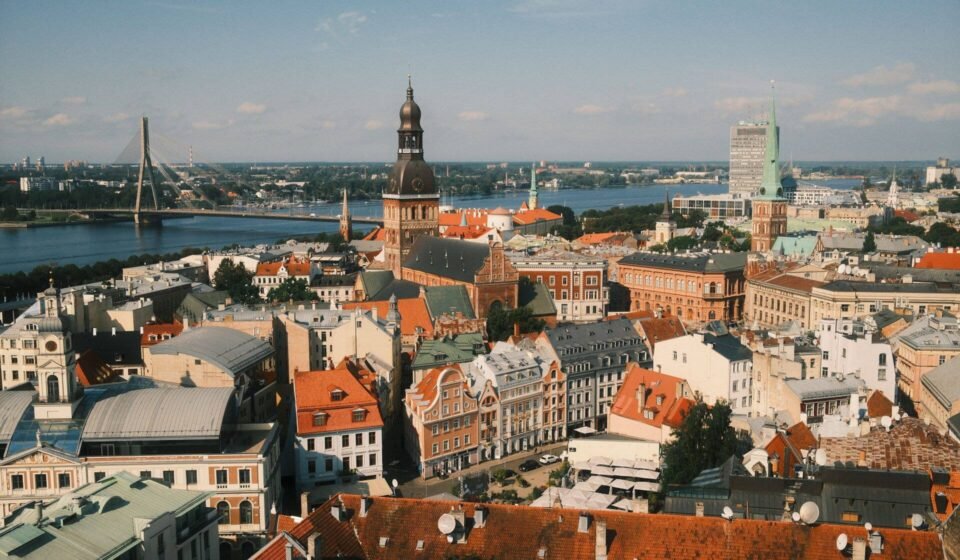

20 Beautiful European Towns to Visit
A smaller destination can offer a different pace. You may spend the morning walking through an old town, have lunch at a local restaurant, and reach a scenic viewpoint without trying to fit dozens of major attractions into one day.
Europe’s biggest cities get most of the attention, but some of the most enjoyable travel experiences can be found in smaller towns.
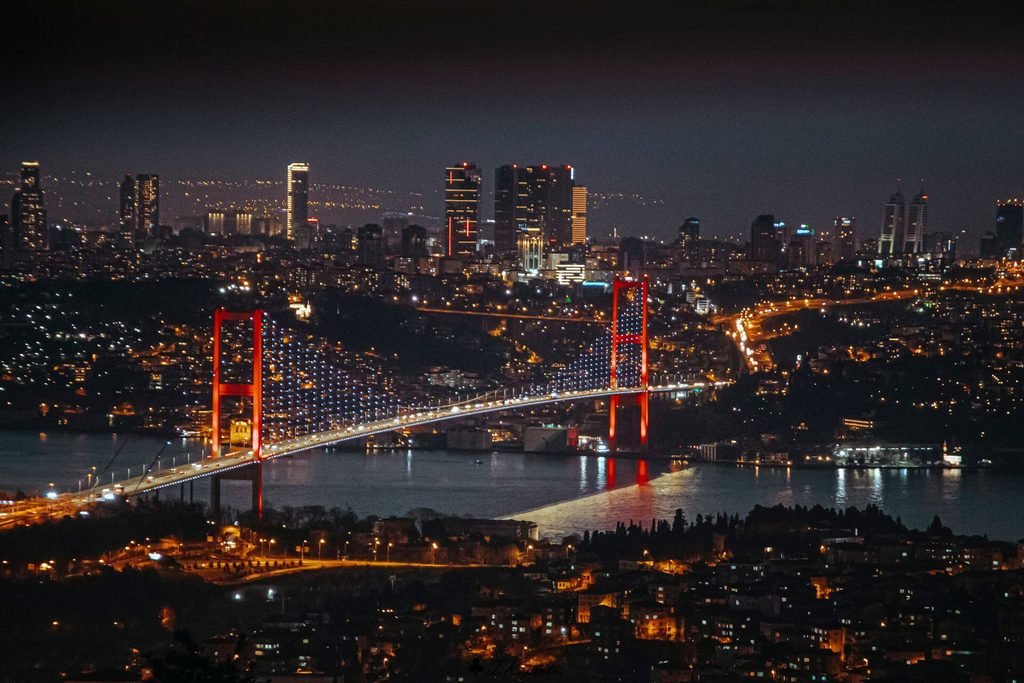
That does not mean every small town is quiet or unknown. Some are extremely popular, especially during peak travel seasons. The real advantage is that these destinations often offer history, architecture, scenery, and local character that can make a European itinerary feel more varied.
For more destination ideas and regional travel inspiration, explore the official Visit Europe travel portal.”
This guide features 20 charming towns across Europe that are worth considering when planning your next trip.
Travel times, prices, and transportation options can change, so always check official tourism and transportation sources before making reservations.
Quick Comparison
| Town | Country | Best For | Best Time to Visit | Suggested Stay |
|---|---|---|---|---|
| Colmar | France | Architecture and food | Spring or fall | 1–2 days |
| Annecy | France | Lakes and scenery | Late spring to early fall | 2–3 days |
| Rothenburg ob der Tauber | Germany | Medieval history | Spring or fall | 1–2 days |
| Heidelberg | Germany | History and river views | Spring or fall | 2 days |
| Bruges | Belgium | Canals and architecture | Spring or fall | 2 days |
| Ghent | Belgium | History and city life | Spring through fall | 2–3 days |
| Český Krumlov | Czech Republic | Historic architecture | Spring or early fall | 1–2 days |
| Hallstatt | Austria | Mountain scenery | Spring or fall | 1 day |
| Salzburg | Austria | History and culture | Spring through fall | 2–3 days |
| Sintra | Portugal | Palaces and gardens | Spring or fall | 1–2 days |
| Óbidos | Portugal | Medieval streets | Spring or fall | 1 day |
| Ronda | Spain | Scenery and history | Spring or fall | 1–2 days |
| Girona | Spain | History and food | Spring or fall | 2 days |
| Siena | Italy | Medieval architecture | Spring or fall | 2 days |
| San Gimignano | Italy | Tuscan countryside | Spring or fall | 1 day |
| Kotor | Montenegro | Mountains and coastal scenery | May–June or September | 2–3 days |
| Bled | Slovenia | Lakes and outdoor activities | Late spring to early fall | 2–3 days |
| Rovinj | Croatia | Coastal travel | May–June or September | 2–3 days |
| Nafplio | Greece | History and seaside travel | Spring or fall | 2 days |
| Sighișoara | Romania | Medieval history | Late spring through early fall | 1–2 days |
1. Colmar, France
Colmar is known for its colorful half-timbered buildings, canals, and location in France’s Alsace region.
The historic center is compact enough to explore on foot, which makes it a convenient destination for a short stay. It also works well as part of a larger trip through Alsace.
Food and wine are major parts of the experience, so visitors who enjoy local restaurants and regional specialties may find plenty to explore beyond the architecture.
Best for:
- Architecture
- Food
- Short European trips
- Photography
Suggested stay:
1–2 days
Planning tip:
Colmar is especially popular during major holiday periods, including the Christmas market season, so accommodation should be booked early when visiting during busy dates.
2. Annecy, France
Annecy combines an old town with canals and a large lake surrounded by mountain scenery.
It is a good destination for travelers who want both sightseeing and outdoor activities. Depending on the season, visitors can spend time walking around the old town, cycling near the lake, or enjoying nearby hiking areas.
Best for:
- Lake scenery
- Outdoor activities
- Couples
- Relaxed travel
Suggested stay:
2–3 days
Planning tip:
If your main goal is to spend time outdoors, visit when seasonal activities and transportation are available.
3. Rothenburg ob der Tauber, Germany
Rothenburg ob der Tauber is one of Germany’s best-known medieval towns.
Its preserved historic center, old walls, and narrow streets make it especially appealing to travelers interested in architecture and history.
Because the town is compact, one full day can cover many of the main areas, although staying overnight gives you a chance to experience the town when day visitors have left.
Best for:
- Medieval history
- Architecture
- Short trips
Suggested stay:
1–2 days
Planning tip:
Consider staying overnight if you want a quieter experience outside the busiest daytime hours.
4. Heidelberg, Germany
Heidelberg sits along the Neckar River and is known for its historic old town, university, and castle ruins.
It is larger and more active than some of the smaller destinations on this list, making it a good option for travelers who want historic architecture without giving up restaurants, transportation, and city amenities.
Best for:
- History
- River scenery
- Walking
- Food
Suggested stay:
2 days
Planning tip:
Plan your sightseeing around the old town and castle area to reduce unnecessary travel time.
5. Bruges, Belgium
Bruges is famous for its canals, medieval buildings, and compact historic center.
It is not an unknown destination, but it remains a strong choice for travelers who enjoy walking through historic streets and spending time near the canals.
The city can become crowded during peak periods, so visiting early in the morning or staying overnight can provide a more relaxed experience.
If you prefer smaller destinations over busy capitals, our guide to beautiful European towns worth visiting offers more places to consider.
Best for:
- Architecture
- Canals
- Food
- Weekend trips
Suggested stay:
2 days
Planning tip:
Bruges is easy to explore on foot, so choose accommodation within or near the historic center if it fits your budget.
6. Ghent, Belgium
Ghent often works well for travelers who want historic architecture but also enjoy a lively restaurant and cultural scene.
Its canals and historic buildings create an atmosphere similar to other Belgian cities, but Ghent has a strong student population and a more active urban feel.
Best for:
- History
- Food
- Architecture
- Longer city breaks
Suggested stay:
2–3 days
Planning tip:
Ghent can be combined with Brussels or Bruges using Belgium’s rail network.
7. Český Krumlov, Czech Republic
Český Krumlov is known for its historic center, castle complex, and location along the Vltava River.
The town is compact and visually distinctive, making it suitable for travelers who enjoy architecture and walking.
It is particularly popular during the summer, so visiting outside the busiest months may offer a more relaxed experience.
Best for:
- Historic architecture
- Photography
- Short cultural trips
Suggested stay:
1–2 days
Planning tip:
Check transportation schedules before traveling, especially if you are arriving from Prague or another major city.
8. Hallstatt, Austria
Hallstatt is one of the most photographed villages in Austria.
For that reason, it should not be described as a hidden destination. However, its combination of lakeside scenery and mountain surroundings makes it worth considering for travelers who want to see one of Austria’s most recognizable landscapes.
Best for:
- Mountain scenery
- Photography
- Short visits
Suggested stay:
1 day
Planning tip:
Hallstatt can be extremely busy during popular travel periods. Arriving early and checking transportation schedules can make the visit easier.
9. Salzburg, Austria
Salzburg offers historic architecture, museums, music history, and easy access to nearby mountain areas.
The city is compact enough for walking, while still offering enough attractions to justify a longer stay than some smaller towns.
Best for:
- History
- Music
- Architecture
- Culture
Suggested stay:
2–3 days
Planning tip:
Use Salzburg as a base if you also plan to explore nearby lakes and mountain regions.
10. Sintra, Portugal
Sintra is known for its palaces, gardens, and forested hills.
It is one of the most popular day trips from Lisbon, so it is not a destination to describe as undiscovered. Still, it offers a very different experience from Portugal’s larger cities.
Best for:
- Palaces
- Architecture
- Gardens
- Day trips
Suggested stay:
1–2 days
Planning tip:
Popular attractions can become crowded. Start early and decide which palaces you most want to visit rather than trying to see everything in one day.
11. Óbidos, Portugal
Óbidos is a small walled town known for its white buildings, narrow streets, and medieval character.
It can be visited as a day trip, but travelers who enjoy slower travel may prefer staying overnight.
Best for:
- History
- Short trips
- Walking
Suggested stay:
1 day
Planning tip:
Check local event schedules before visiting, as festivals can significantly affect crowds and accommodation availability.
12. Ronda, Spain
Ronda sits above a dramatic gorge in southern Spain and is known for its historic bridges and views.
The town works particularly well for travelers exploring Andalusia by car or as part of a longer route through southern Spain.
Best for:
- Scenery
- History
- Road trips
Suggested stay:
1–2 days
Planning tip:
Spring and fall can be more comfortable for sightseeing than the hottest summer periods.
13. Girona, Spain
Girona offers a historic old town, city walls, restaurants, and easy rail connections to other destinations in northeastern Spain.
The city is a good choice for travelers who want history but also prefer having more restaurants and activities available than in a very small town.
Best for:
- Food
- History
- Walking
- Weekend trips
Suggested stay:
2 days
Planning tip:
Girona can be combined with Barcelona or destinations along the Costa Brava.
14. Siena, Italy
Siena is known for its medieval streets, historic center, and famous central square, Piazza del Campo.
It is a good destination for travelers exploring Tuscany who want an alternative to staying only in Florence.
Best for:
- Italian history
- Architecture
- Food
Suggested stay:
2 days
Planning tip:
Siena is easiest to enjoy when you leave time to explore on foot instead of trying to follow a strict sightseeing schedule.
15. San Gimignano, Italy
San Gimignano is known for its historic towers and views across the Tuscan countryside.
Because it is relatively small, it works best as part of a larger Tuscany itinerary rather than a destination for several days.
Best for:
- Tuscan scenery
- Wine and food
- Short visits
Suggested stay:
1 day
Planning tip:
Visit early or later in the day if you want to avoid the busiest period for day visitors.
16. Kotor, Montenegro
Kotor combines a historic old town with dramatic mountain and coastal scenery.
The town is a good choice for travelers who enjoy both history and outdoor viewpoints.
Best for:
- Coastal scenery
- History
- Hiking
- Photography
Suggested stay:
2–3 days
Planning tip:
The area can be busy when cruise ships are in port, so checking local schedules may help you plan a quieter visit.
17. Bled, Slovenia
Lake Bled is one of Slovenia’s best-known destinations.
Visitors come for the lake, mountain scenery, walking routes, and nearby outdoor activities.
It works well for travelers who want a relaxed break between visits to larger European cities.
Best for:
- Nature
- Outdoor activities
- Relaxation
Suggested stay:
2–3 days
Planning tip:
Bled can be combined with Ljubljana or other parts of Slovenia, but allow enough time for transportation between destinations.
18. Rovinj, Croatia
Rovinj is a coastal town on Croatia’s Istrian Peninsula.
Its old town, waterfront location, and nearby beaches make it suitable for travelers who want a mix of sightseeing and time by the sea.
Best for:
- Coastal travel
- Food
- Relaxation
Suggested stay:
2–3 days
Planning tip:
May, June, and September can offer a different balance of weather and crowds compared with the busiest summer period.
19. Nafplio, Greece
Nafplio is a historic coastal town in the Peloponnese.
It offers a combination of waterfront views, historic buildings, restaurants, and nearby archaeological sites.
Best for:
- History
- Coastal travel
- Food
Suggested stay:
2 days
Planning tip:
Nafplio can be a useful base for exploring parts of the Peloponnese.
20. Sighișoara, Romania
Sighișoara is known for its preserved medieval center and colorful historic buildings.
It is a good destination for travelers interested in architecture and European history who want to explore beyond the continent’s most frequently visited countries.
Best for:
- Medieval history
- Architecture
- Cultural travel
Suggested stay:
1–2 days
Planning tip:
Check train or road connections before building your itinerary, especially when traveling between smaller Romanian destinations.
How to Add Smaller Towns to a Europe Itinerary
One of the easiest mistakes when planning a Europe trip is trying to visit too many destinations.
Instead of adding a new town every day, consider how much travel time is involved.
A better approach might be:
Example: France
Paris → Annecy → Colmar
Example: Belgium
Brussels → Ghent → Bruges
Example: Portugal
Lisbon → Sintra → Óbidos
Example: Italy
Florence → Siena → San Gimignano
Grouping destinations by region can reduce transportation time and give you more time to actually enjoy each place.
If you’d like to combine smaller towns with major destinations, explore our guide to the top countries to visit in Europe for more ideas when planning your route.
How to Choose the Right European Town for Your Trip
Before adding a destination to your itinerary, consider a few practical questions.
If you’re exploring several towns by car, use our road trip planning checklist to organize driving times, stops, and vehicle preparation before leaving.
Do you want history or nature?
For historic architecture, towns such as Rothenburg, Siena, and Sighișoara may be appealing.
For outdoor scenery, Annecy, Bled, and Hallstatt may be better choices.
How much time do you have?
Some destinations work well as day trips, while others deserve at least two or three nights.
Trying to visit too many places can turn a relaxing trip into a series of transportation days.
What is your budget?
Popular destinations can become expensive during peak season, especially for accommodation.
Compare:
- Transportation costs
- Accommodation
- Food
- Attraction tickets
- Local transportation
When are you traveling?
The same town can offer a completely different experience depending on the season.
Summer may bring warm weather and longer days but also larger crowds and higher prices. Spring and fall can be good alternatives in many destinations.
For practical ways to manage these expenses, read our guide on how to travel on a budget without sacrificing the experience.
Final Thoughts
Europe’s famous capitals deserve their popularity, but smaller towns can add variety to a trip.
If you’re planning a couples’ getaway, our guide to top romantic cities in Europe for couples offers more ideas for choosing destinations that suit your trip.
A few days in a place such as Annecy, Girona, Kotor, or Bled can provide a slower experience between visits to larger cities.
The best choice depends on the type of trip you want. Some travelers may prefer medieval streets and historic architecture, while others may be looking for lakes, mountains, coastal scenery, or local food.
Instead of trying to visit all 20 destinations, choose a few that fit naturally into your route, budget, and available travel time.
A well-paced itinerary with fewer destinations is often more enjoyable than rushing through a long list of famous places.
Frequently Asked Questions
What are the best small towns to visit in Europe?
The best choice depends on your interests. Annecy and Bled are strong options for nature, while Siena and Rothenburg are better suited to travelers interested in historic architecture.
Which European towns are good for a short trip?
Colmar, Hallstatt, Óbidos, San Gimignano, and Český Krumlov can work well for short visits, depending on your transportation plans.
Are smaller European towns cheaper than major cities?
Not always. Popular towns can have high accommodation prices during peak season. Compare the total cost of transportation, accommodation, food, and activities before booking.
When is the best time to visit European towns?
Spring and fall can offer a good balance of weather and crowds in many destinations. However, the best time varies depending on the country and the activities you want to do.
Should I stay overnight or take a day trip?
If possible, staying overnight can give you more time to explore and may allow you to experience a destination before or after the busiest daytime hours.
Before visiting a destination, check the official tourism website and the attraction’s official website for current admission prices, opening hours, reservation requirements, and free-entry days.
Official Tourism Website:- https://travel-europe.europa.eu/pub



[…] you’re interested in combining major cities with smaller destinations, our guide to 20 Beautiful European Towns Worth Visiting Beyond the Big Cities may also give you ideas for your wider Europe […]
[…] you’re interested in quieter European places, our guide to 20 Beautiful European Towns Worth Visiting Beyond the Big Cities can help you find alternatives to the usual major-city […]
[…] you prefer smaller destinations over busy capitals, our guide to beautiful European towns worth visiting offers more places to […]
[…] you prefer smaller destinations and a slower pace, explore our guide to beautiful European towns worth visiting for alternatives to the major […]