
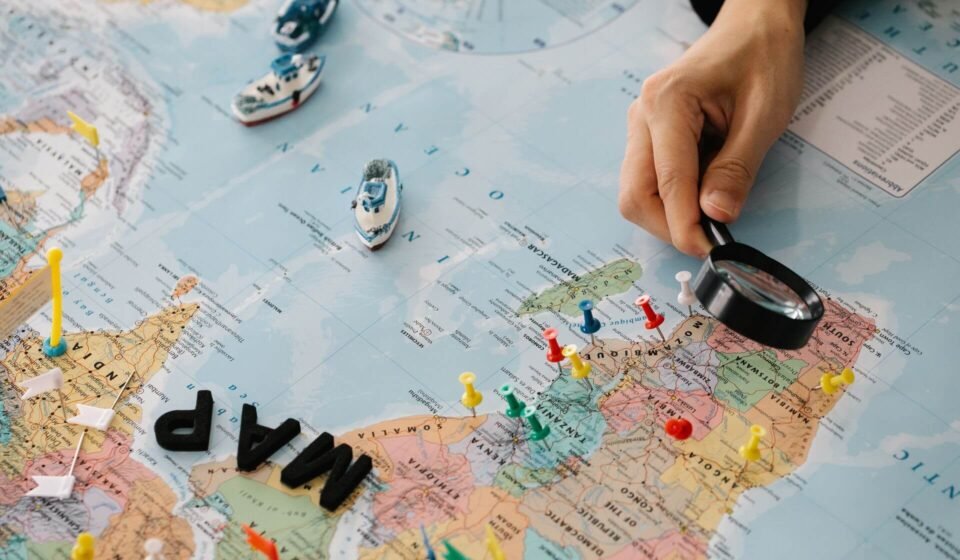

How to Plan Your First Solo Trip: A Practical Guide for Beginners
Planning your first solo trip can feel exciting and intimidating at the same time.
When you’re traveling with friends or family, decisions are shared. Someone else may handle the hotel booking, navigate the airport, or figure out where to eat.
When you’re traveling alone, those decisions are yours. That does not mean solo travel has to be difficult.
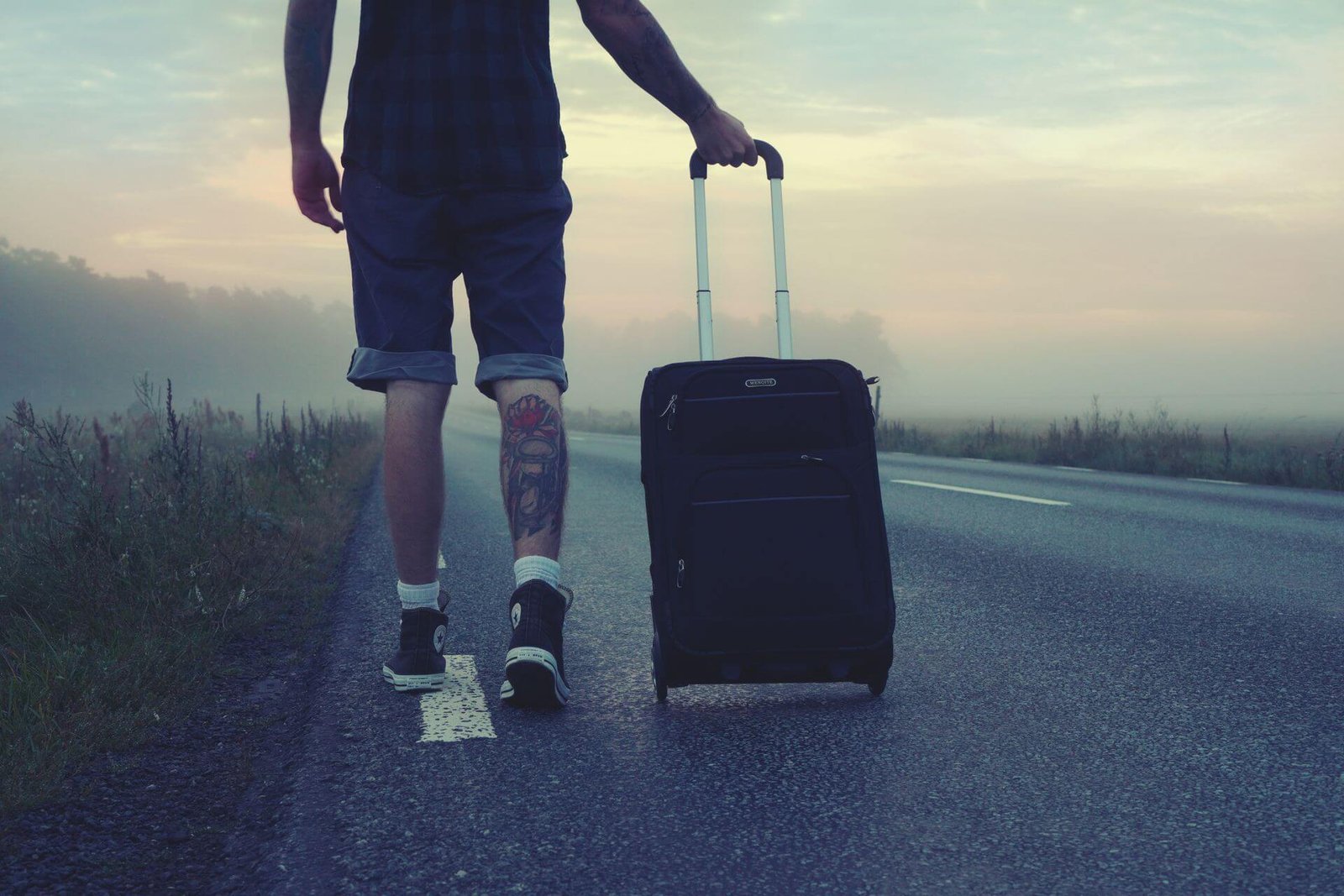
A successful first solo trip usually comes down to good preparation, realistic expectations, and choosing a destination and itinerary that match your experience level.
You do not need to book a complicated month-long adventure to become a solo traveler. For many people, a short and well-planned trip is a much better place to start.
This guide covers the practical decisions that can make your first solo trip easier to plan.
1. Choose an Easy Destination for Your First Solo Trip
Your first solo destination does not need to be the most adventurous place on your bucket list. In fact, choosing somewhere relatively easy to navigate can make the experience much more enjoyable.
Think about:
- Language barriers
- Transportation
- Accommodation options
- Distance from home
- Your available budget
- How comfortable you are navigating independently
For a first trip, a destination with reliable transportation and plenty of accommodation choices can reduce unnecessary stress.
You might also consider taking a shorter trip rather than immediately planning several weeks abroad. A three- or four-day solo trip can teach you a lot about how you prefer to travel.
A good question to ask:
Would I feel comfortable solving a small problem here by myself?
If the answer is yes, the destination may be a reasonable choice for your first trip.
2. Don’t Try to Build an Overly Ambitious Itinerary
One common mistake is trying to see everything. When you’re traveling alone, moving between multiple destinations can require more energy because you’re handling every detail yourself.
For your first solo trip, consider:
- One city for a long weekend
- Two destinations with easy transportation between them
- A single region rather than an entire country
You don’t need to fill every hour.
Leave time for:
- Delayed transportation
- Getting lost
- Rest
- Unexpected discoveries
- Changing your plans
A slower itinerary often makes solo travel feel less stressful.
If you’re interested in planning a larger journey later, you can also use our travel planning guide as part of your preparation process.
3. Choose Your Accommodation Based on More Than Price
Cheap accommodation is tempting, especially when you’re trying to control your budget. But for a first solo trip, location and convenience can sometimes be worth paying a little more for.
Before booking, it also helps to set a realistic trip budget. Our guide on how to travel on a budget without sacrificing the experience explains how to manage travel costs without cutting out the experiences that matter to you.
Before booking, consider:
- Distance from major transportation
- Neighborhood location
- Check-in process
- Guest reviews
- Late-night access
- Luggage storage
- Whether the property has clear contact information
For example, the cheapest hotel may not be the best value if it requires a long and complicated journey every time you want to return to your room.
Read recent reviews carefully.
Look for repeated comments about practical issues rather than focusing only on the overall rating.
4. Plan Your Arrival Before You Leave Home
Your arrival day is often when first-time solo travelers feel the most overwhelmed. You’ve just finished a long flight or train journey. You may be tired, unfamiliar with the area, and trying to understand a new transportation system.
Before leaving, know:
- How you will get from the airport or station
- Where your accommodation is located
- How check-in works
- What time you can arrive
- What to do if your transportation is delayed
You do not need to plan every minute of your vacation. But knowing how you will reach your accommodation can remove one major source of stress.
For international trips, official tourism information can also be useful for checking local transportation and arrival guidance.
5. Keep Your Important Information Available Offline
Internet access is not always guaranteed. Before your trip, save important information where you can access it without depending entirely on a mobile connection.
Keep copies of:
- Accommodation address
- Booking confirmations
- Important transportation details
- Emergency contact information
- Passport details, where appropriate
- Travel insurance information
You can save these securely on your phone and keep essential information accessible if you temporarily lose internet access.
Avoid relying on a single device for everything. If your phone battery dies, you should still have a way to access the most important details.
6. Have a Simple Money Backup Plan
Solo travel does not require carrying large amounts of cash. But relying on only one payment method can create unnecessary problems.
A practical approach may include:
- A primary debit or credit card
- A backup card stored separately
- A small amount of local currency when useful
- Access to emergency funds
Your exact setup will depend on your destination and banking options.
Before traveling internationally, check:
- Foreign transaction fees
- ATM fees
- Whether you need to notify your bank
- Whether your card works in your destination
Avoid carrying all your money and cards in one place.
7. Stay Connected Without Spending Your Entire Trip on Your Phone
A working phone can make solo travel easier.
You may use it for:
- Maps
- Transportation
- Translation
- Hotel communication
- Emergency information
Before traveling, think about how you will access mobile data.
Depending on the destination, that could involve:
- An international roaming plan
- A local SIM card
- An eSIM
- Wi-Fi with offline backups
Also consider downloading:
- Offline maps
- Transportation apps
- Translation tools
Our guide to useful travel apps for planning and navigation can help you decide which tools are worth downloading before departure.
8. Build Safety Habits Into Your Routine
No destination can be guaranteed completely risk-free.
Solo travel safety is less about constantly being afraid and more about developing sensible habits.
For example:
- Know how you are getting back to your accommodation at night.
- Pay attention to your surroundings.
- Avoid sharing unnecessary personal information with strangers.
- Follow local laws and rules.
- Keep valuables reasonably secure.
- Trust your instincts when a situation feels uncomfortable.
You do not need to treat every unfamiliar person as a threat.
But you should give yourself permission to leave a situation that does not feel right.
For destination-specific safety information, check current official government travel advice before booking an international trip.
For U.S. travelers, the U.S. Department of State travel advisories provide official destination-specific information.
Before visiting another country, it is also worth learning about local customs and cultural traditions so you can better understand expectations around clothing, etiquette, and everyday interactions.
9. Tell Someone Your Basic Travel Plans
You don’t need to provide friends or family with a minute-by-minute itinerary.
But it is sensible for someone you trust to know:
- Where you are traveling
- Where you are staying
- Your general itinerary
- How to contact you
You can update them if your plans change.
This is not about constantly checking in.
It simply means someone has basic information if they need to reach you.
10. Don’t Confuse Solo Travel With Being Alone All the Time
One of the biggest misconceptions about solo travel is that you must spend the entire trip alone.
You can meet people while still traveling independently.
Depending on your interests, you might:
- Join a walking tour
- Take a cooking class
- Attend a local activity
- Stay in a social hostel
- Join a small group day trip
You still decide what you want to do.
The difference is that you’re choosing when and how to socialize.
For many people, that flexibility is one of the best parts of traveling alone.
11. Learn to Be Comfortable With Quiet Time
Not every moment of a solo trip will feel exciting.
You may have a quiet dinner by yourself.
You may spend an afternoon walking without a plan.
You may occasionally feel lonely.
That is normal.
Solo travel is not a constant highlight reel.
The goal is not to prove that you can enjoy every second alone.
Instead, give yourself room to enjoy the independence that comes with making your own decisions.
Sometimes the best part of a solo trip is simply being able to change your plans without negotiating with anyone else.
12. Start Small and Learn What Kind of Solo Traveler You Are
Your first solo trip does not need to be perfect.
You might discover that you prefer:
- Cities over remote destinations
- Hotels over hostels
- Busy itineraries over slow travel
- Group activities during the day
- Quiet evenings
That is useful information.
Every trip teaches you something about how you prefer to travel.
Instead of trying to copy someone else’s solo travel style, use your first trip as an opportunity to figure out what works for you.
A Simple First Solo Trip Checklist
Before you leave, make sure you have considered:
Planning
- Destination and transportation
- Accommodation
- Arrival plan
- Basic itinerary
Documents
- Passport, if required
- Visa requirements, if applicable
- Booking confirmations
- Travel insurance information
Money
- Primary payment method
- Backup payment method
- Emergency funds
Technology
- Phone charging plan
- Maps
- Offline information
- Important contact details
For more preparation ideas, see our international travel packing checklist.
Final Thoughts: Is Solo Travel Worth Trying?
Solo travel is not for everyone, and it does not have to become your preferred way of traveling.
But taking one trip alone can be a valuable experience. You make the decisions, You choose the pace.
You decide where to eat, when to stop, and whether to change your plans. The first trip may feel unfamiliar at the beginning that is normal.
Start with a destination and itinerary that feel manageable, prepare the practical details in advance, and leave yourself enough flexibility to enjoy the experience.
You don’t need to be fearless to travel alone. You simply need to be prepared enough to handle the ordinary challenges that can happen on any trip.



-
-
-
-
-
-
Show Comments[…] you’re still organizing the rest of your trip, our guide on how to plan your first solo trip can help you build your itinerary before you start […]
[…] to take a wellness trip by yourself? Our guide to planning your first solo trip covers the practical preparation that can make the experience […]
[…] even more important, especially when you’re responsible for making decisions on your own. Our first solo trip guide covers practical planning tips for […]
[…] can also combine a Christmas-market trip with our first solo trip guide for additional planning […]
[…] you want a broader approach to planning your trip, you can also read our How to Plan Your First Solo Trip: A Practical Guide for Beginners for practical itinerary and preparation […]
[…] planning your first solo trip Learn How to Plan Your First Solo Trip: A Practical Guide for Beginners […]