
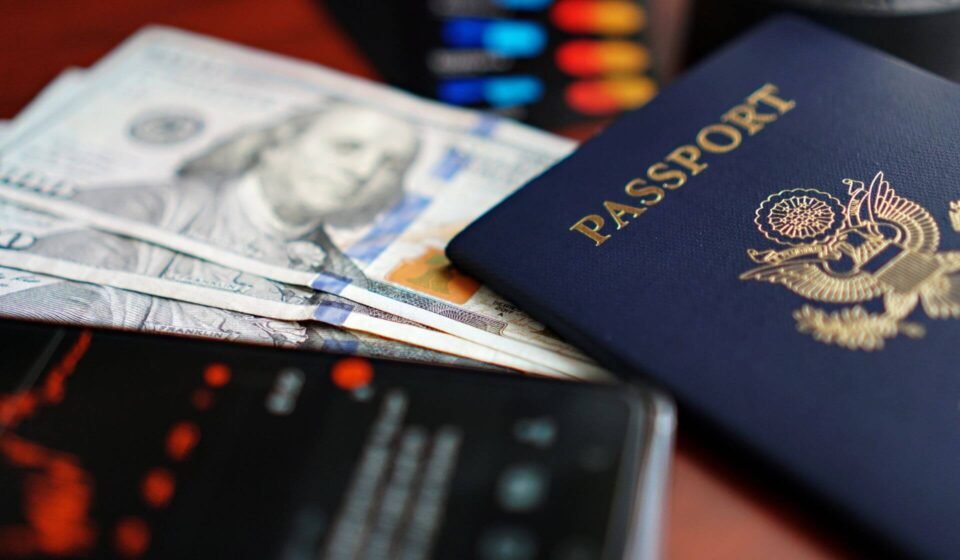

How to Travel on a Budget Without Sacrificing the Experience.
Travelling on a budget does not have to mean sleeping in uncomfortable places, skipping every attraction, or surviving on instant noodles.
In most cases, the biggest savings come from a few decisions you make before and during your trip: where you go, when you travel, how you get around, and where you choose to spend your money.

A well-planned trip can cost significantly less without feeling like a compromise. The goal is not to spend as little as possible. It is to spend money on the parts of the trip that actually matter to you and avoid unnecessary costs everywhere else.
Here are 10 practical ways to make your travel budget go further.
1. Choose Your Destination Based on Your Total Budget
A cheap flight does not always mean a cheap vacation.
For example, you might find a low-cost flight to an expensive city, then spend far more on hotels, food, and transportation than you expected. Before booking anything, look at the estimated cost of the entire trip.
Consider:
- Flights or other transportation
- Accommodation
- Food
- Local transportation
- Attractions
- Travel insurance
- Unexpected expenses
A destination with slightly more expensive flights but affordable hotels and food may actually cost less overall.
A simple example
Imagine these two trips:
| Expense | Destination A | Destination B |
|---|---|---|
| Transportation | $350 | $500 |
| Accommodation | $900 | $450 |
| Food | $500 | $250 |
| Local transportation | $200 | $100 |
| Total | $1,950 | $1,300 |
The second destination has the more expensive flight, but the total trip costs much less.
Before choosing a destination, estimate the full cost rather than focusing only on airfare.
For a destination-specific example, read our guide on experiencing Bali on a budget to see how accommodation, food, transportation, and activities can affect your daily spending.
2. Be Flexible With Your Travel Dates
Travel prices can change dramatically depending on the season.
Hotels, flights, and popular attractions are usually more expensive during:
- Major holidays
- School vacation periods
- Festivals and large events
- Peak summer travel weeks
If your schedule allows it, traveling during the shoulder season can be one of the easiest ways to reduce costs.
Shoulder season usually means visiting shortly before or after the busiest tourist period. You may still get good weather while paying less for accommodation and dealing with smaller crowds.
For example, a destination that is extremely busy in July and August may be more affordable in May, September, or October.
Before booking, compare prices across several dates instead of automatically choosing the first weekend or holiday period that works for you.
3. Compare Flights Using More Than One Search Tool
Do not book the first reasonable flight you find.
Compare prices across multiple flight search tools and check the airline’s website before making a final decision.
When comparing flights, pay attention to more than the advertised ticket price.
A cheaper ticket may include:
- No checked baggage
- No seat selection
- Long layovers
- Expensive airport transfers
- Additional booking fees
A $30 cheaper flight is not necessarily a better deal if baggage and transportation add another $80 to your trip.
It is also worth checking nearby airports when they are realistically accessible. Sometimes a different airport can reduce costs, but always calculate the price of getting to and from that airport before deciding.
4. Save on Accommodation Without Automatically Choosing the Cheapest Room
Accommodation is often one of the largest travel expenses.
The cheapest option is not always the best value. A hotel far outside the city center may cost less per night but require expensive transportation and waste several hours of your trip.
Instead, compare accommodation based on:
- Nightly price
- Location
- Transportation costs
- Included breakfast
- Kitchen access
- Cancellation policy
- Reviews from recent guests
Depending on your destination and travel style, you might consider:
- Hostels
- Guesthouses
- Budget hotels
- Vacation rentals
- Private rooms outside major tourist zones
If you are staying for several days, a place with a kitchen can also help reduce food costs.
The best budget accommodation is usually the option that balances price, location, comfort, and transportation.
5. Use Public Transportation When It Makes Sense
Taxis and rideshare services can quickly become expensive, especially when you use them several times a day.
Many cities have affordable options such as:
- Metro systems
- Buses
- Trams
- Regional trains
- Airport buses
Before your trip, check whether the destination offers:
- Daily transportation passes
- Multi-day passes
- Tourist transportation cards
- Airport-to-city public transit
However, do not buy a transportation pass automatically. First calculate how many trips you realistically expect to take.
Sometimes paying for individual rides is cheaper than buying an unlimited pass.
For shorter distances, walking can also save money while helping you experience neighborhoods you might otherwise miss.
If you’re planning to explore by car instead, our road trip planning checklist covers budgeting, realistic driving times, fuel stops, and other details to plan before departure.
6. Eat Like a Traveler, Not Like a Tourist Every Day
Food is one of the best parts of traveling, and cutting your food budget does not mean avoiding local restaurants.
The key is balance.
Instead of eating three expensive restaurant meals every day, try mixing different options:
- Local cafés
- Markets
- Bakeries
- Grocery stores
- Street food where it is safely prepared
- Casual neighborhood restaurants
You might have a simple breakfast, enjoy a local lunch, and then choose one memorable restaurant for dinner.
This approach can help you experience local food without spending your entire budget on tourist-area restaurants.
If your accommodation has a kitchen, preparing even one meal or snack each day can make a noticeable difference over a week-long trip.
7. Plan Your Major Expenses Before You Leave
You do not need to schedule every hour of your vacation, but it helps to identify the biggest costs in advance.
These often include:
- Accommodation
- Long-distance transportation
- Popular attractions
- Tours
- Special activities
Researching these expenses early gives you a better idea of how much money you have left for everything else.
For example, if you know a tour costs $150, you can decide before the trip whether it is worth the price instead of making an impulsive decision when you arrive.
A simple budget might look like this:
| Category | Estimated Budget |
|---|---|
| Transportation | $400 |
| Accommodation | $600 |
| Food | $300 |
| Activities | $200 |
| Local transportation | $100 |
| Emergency fund | $150 |
| Estimated Total | $1,750 |
Your actual costs will depend on the destination, travel season, and personal preferences, but creating a basic plan can prevent unpleasant surprises.
Before leaving, organize your travel documents and essentials with this international travel packing checklist so you can prepare ahead and avoid unnecessary last-minute purchases.
8. Look for Free and Low-Cost Things to Do
Some of the best travel experiences cost very little.
Depending on the destination, you may find:
- Free walking tours
- Public parks
- Beaches
- Hiking trails
- Museums with free admission days
- Local markets
- Historic neighborhoods
- Free festivals and events
If Europe is on your itinerary, our guide to beautiful European towns worth visiting beyond the big cities can help you explore alternatives to the most crowded—and sometimes more expensive—destinations.
Before paying for an expensive attraction, check the official tourism website or attraction website for current prices and free-entry days.
Free walking tours can also be a useful introduction to a new city, although many operate on a tip-based model, so you should budget for a reasonable tip.
The goal is not to avoid paid attractions completely. It is to spend money on the experiences you genuinely care about.
9. Avoid Small Daily Expenses That Add Up
Large travel costs get most of the attention, but small purchases can quietly increase your total spending.
Examples include:
- Airport snacks
- Bottled drinks
- Multiple rideshare trips
- Currency exchange fees
- Hotel minibar purchases
- Tourist-area convenience stores
You do not need to track every dollar obsessively. Just pay attention to repeated expenses.
For example, buying a $6 coffee and a $10 snack every day may not seem important, but over 10 days that can add $160 to your trip.
Carrying a reusable water bottle, buying snacks at supermarkets, and planning transportation can reduce these unnecessary costs without changing your overall travel experience.
10. Keep an Emergency Fund
One of the biggest mistakes budget travelers make is planning to spend every dollar they have.
Unexpected costs happen.
You might face:
- Transportation delays
- Last-minute accommodation changes
- Lost luggage expenses
- Medical costs
- Emergency transportation
- Unexpected booking fees
Try to keep a separate emergency fund that is not part of your daily spending budget.
The amount depends on your destination and trip length, but having some money available can prevent a minor problem from becoming a major financial issue.
Travel insurance may also be worth considering depending on where you are going and what your trip includes.
For international trips, review official travel information for your destination before departure, including entry requirements, local safety guidance, and any important travel updates here – U.S. Department of State – International Travel
A Better Way to Think About Budget Travel
Budget travel is not about choosing the absolute cheapest option every time.
Sometimes spending a little more can save money elsewhere.
For example:
- A centrally located hotel may reduce transportation costs.
- A direct flight may save you from paying for an overnight layover.
- A slightly more expensive room with a kitchen may reduce your food expenses.
- A transportation pass may be worthwhile if you plan to use public transit frequently.
The smartest travel budget is one that matches your priorities.
If food is important to you, spend more on memorable meals and save money on transportation. If you care most about experiences, choose simpler accommodation and put more of your budget toward activities.
There is no single “perfect” budget for every traveler.
Final Thoughts
Traveling on a budget becomes much easier when you plan your biggest expenses before leaving and make thoughtful decisions during your trip.
Start by choosing a destination that fits your overall budget. Compare transportation and accommodation carefully, use local options when practical, and leave room for unexpected expenses.
Most importantly, do not try to make every part of your trip as cheap as possible.
A successful budget trip is one where you spend less on things you do not care about and more on the experiences you will actually remember.
Frequently Asked Questions
How much should I budget for a trip?
It depends on the destination, trip length, travel season, and your travel style. Start by estimating transportation, accommodation, food, activities, local transportation, and an emergency fund.
What is the easiest way to save money while traveling?
For many travelers, the biggest savings come from choosing cheaper travel dates, finding reasonably priced accommodation in a good location, and controlling transportation and food costs.
Is it cheaper to book everything in advance?
Not always. Booking major expenses such as transportation and accommodation early can provide more options, but prices vary by destination and season. Compare your options before booking.
Should I buy a city transportation pass?
Calculate how many trips you expect to take. If you plan to use public transportation frequently, a pass may save money. If you only need a few rides, individual tickets could be cheaper.
Can budget travel still be comfortable?
Yes. Budget travel does not have to mean choosing the cheapest option in every situation. A good budget focuses on value and prioritizes the experiences that matter most to you.



-
-
-
-
-
-
-
-
-
-
-
-
-
-
-
-
Show Comments[…] Learn how to Travel on Budget […]
[…] How to Travel on a Budget Without Sacrificing the Experience […]
[…] Read our Guide on How to Travel on Budget Without sacrificing the experience. […]
[…] For more Details Related to Budget Planning Read our Guide on How to Travel on a Budget Without Sacrificing the Experience […]
[…] Read our Guide on Travel on a budget without sacrificing the experience […]
[…] you’re trying to keep the trip affordable, Travel To Fit’s guide on How to Travel on a Budget Without Sacrificing the Experience can help you build the rest of your budget around priorities rather than simply cutting […]
[…] guide on How to Travel on a Budget Without Sacrificing the Experience covers practical ways to control travel costs without automatically choosing the cheapest […]
[…] For practical ways to control travel costs, see Travel To Fit’s How to Travel on a Budget Without Sacrificing the Experience. […]
[…] For More Details Read our Guide on How to Travel on a Budget Without Sacrificing the Experience […]
[…] you’re trying to keep your trip affordable, these practical tips on how to travel on a budget can help you plan your expenses before you […]
[…] booking, it also helps to set a realistic trip budget. Our guide on how to travel on a budget without sacrificing the experience explains how to manage travel costs without cutting out the experiences that matter to […]
[…] more ways to control travel costs, read our guide on how to travel on a budget without sacrificing the experience, which covers practical ways to manage expenses without missing out on worthwhile […]
[…] can help you compare options, but setting a realistic budget matters too. Read our guide on how to travel on a budget without sacrificing the experience for practical ways to manage trip […]
[…] you want to plan a relaxing trip without overspending, our guide on how to travel on a budget without sacrificing the experience offers practical ways to manage travel […]
[…] have to make a trip more expensive. If you’re planning an affordable trip, learn how to travel on a budget without sacrificing the […]
[…] For practical ways to manage these expenses, read our guide on how to travel on a budget without sacrificing the experience. […]