
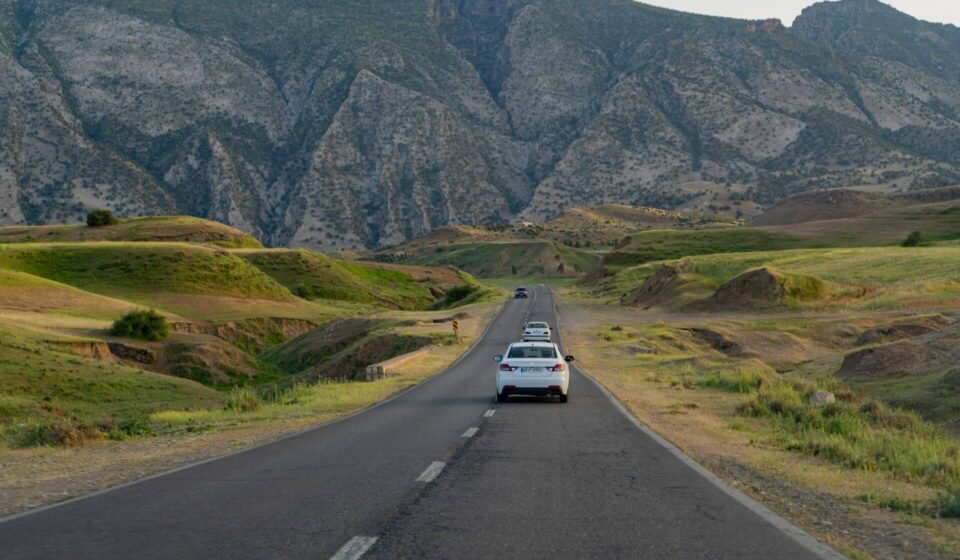

Road Trip Planning Checklist: How to Plan a Smooth and Stress-Free Trip
I used to think planning a road trip meant choosing a destination, checking the driving time, and throwing a few things into the car. It sounds simple enough, but that approach can create problems once you’re actually on the road.
A fuel stop that takes longer than expected, a hotel that’s farther from the main route than you thought, or a stretch of road with poor phone service can easily throw off your day.
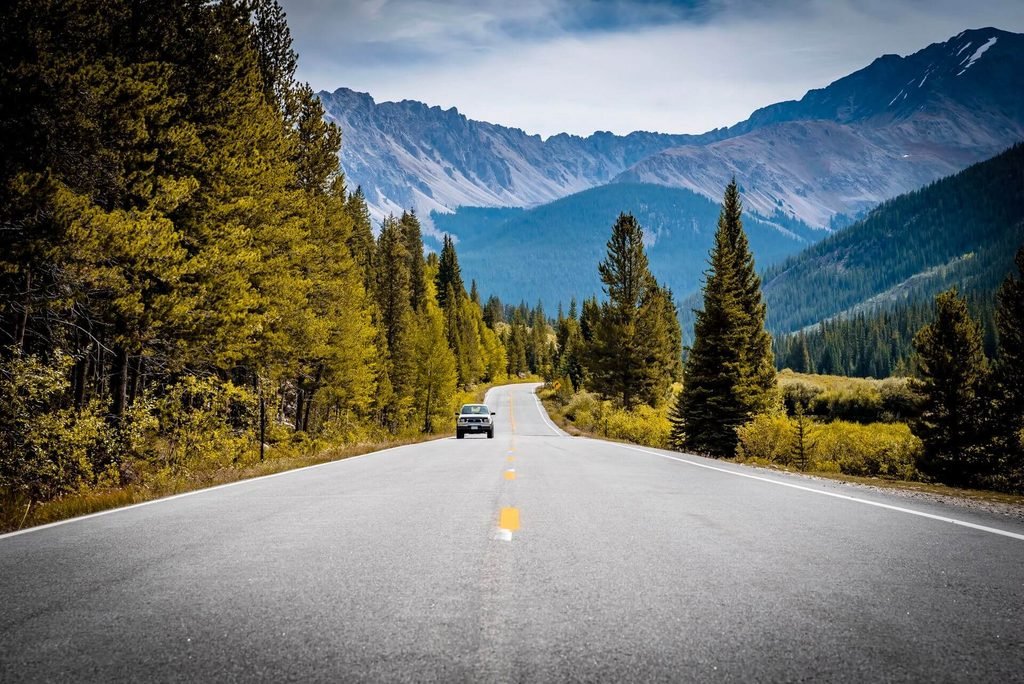
After doing a few road trips, I found that the best approach isn’t planning every minute. It’s taking care of the things that can genuinely cause trouble and leaving the rest flexible.
1. Decide What Kind of Road Trip You Want
Before I open Google Maps, I usually decide what I actually want from the trip. Otherwise, it’s very easy to keep adding places until a relaxing road trip turns into a race against the clock.
Are you mainly looking for scenic drives? Do you want to spend time hiking, visiting national parks, trying local food, or simply getting away for a couple of days?
There’s no wrong answer. The important part is knowing what matters most to you before you start building the route.
This decision affects almost everything else, including your route, budget, accommodation, and how many hours you spend behind the wheel.
For example, a trip focused on national parks may require more advance reservations than a flexible weekend drive through smaller towns.
Try to choose one main purpose for the trip. You can always add other experiences along the way, but having a clear starting point makes planning much easier.
2. Build Your Route Around Realistic Driving Times
This is probably the mistake I’ve made most often when planning road trips: trusting the driving time shown on the map too much.
If Google Maps says four hours, it’s tempting to think, “Great, we’ll be there by lunch.” In reality, four hours of driving rarely means four hours from door to door.
Someone will need a coffee. You’ll stop for fuel. Traffic might slow you down. And if you pass a viewpoint that looks worth stopping at, you probably won’t want to drive past it just because your itinerary says you have to.
For that reason, I normally add some breathing room to longer drives rather than planning the day down to the minute.
.When planning your route, look at the driving time first and then add extra time for stops.
A simple approach
As a rough guide, I usually think about the driving time like this:
- A 2-hour drive can easily become a 3-hour outing once you include a stop.
- A 4-hour drive is better treated as most of a day’s travel rather than a quick morning trip.
- A 7-hour drive deserves a little more thought. If you can split it into two easier days without making the trip awkward, I’d seriously consider doing that.
These aren’t rules. They’re simply a way of avoiding an itinerary that looks perfect on paper but becomes exhausting in real life.
A road trip should not feel like a race from one parking lot to the next.
3. Plan a Budget Before You Start Booking
I don’t try to predict the exact cost of every coffee, meal, or fuel stop before a road trip. That would be more work than the trip itself.
Instead, I work with a rough number for the big expenses and keep some money aside for things I haven’t planned for.
Fuel and hotels are usually easy enough to estimate. Parking, tolls, attraction tickets and those random expenses along the way are where a little extra room in the budget can make the trip feel much less stressful.
Your main expenses may include:
- Fuel or charging costs
- Accommodation
- Food
- Parking
- Tolls
- Attraction tickets
- Car maintenance
- Travel insurance
- Emergency expenses
A simple budget can look like this:
| Expense | Estimated Cost |
| Fuel | $250 |
| Accommodation | $600 |
| Food | $300 |
| Attractions | $150 |
| Parking and tolls | $100 |
| Emergency fund | $200 |
| Estimated Total | $1,600 |
Your numbers will obviously depend on where you are traveling, how long the trip lasts, and how you prefer to travel.
The important thing is to include the costs people often forget about, especially parking, tolls, and unexpected vehicle expenses.
Tip:
Keep a separate emergency fund rather than spending your entire travel budget.
For more ways to control travel costs, read our guide on how to travel on a budget without sacrificing the experience, which covers practical ways to manage expenses without missing out on worthwhile activities.
4. Check Your Vehicle Before Leaving
A quick vehicle check is one of those jobs that’s easy to postpone because the car seems fine. I understand the temptation—if nothing is making strange noises and the warning lights are off, why worry about it?
The problem is that a road trip can expose issues that don’t bother you during normal city driving.
I like to spend a little time checking the basics before a longer drive, especially the tires, fluids and spare tire.
Vehicle checklist:
- Tire pressure
- Tire condition
- Spare tire
- Engine oil
- Coolant
- Windshield washer fluid
- Lights
- Brakes
- Battery condition
You should also make sure you know where your vehicle documents and insurance information are stored.
If your car already has a warning light or mechanical problem, deal with it before the trip instead of hoping it will disappear.
A repair before departure is usually much easier to handle than a breakdown hundreds of miles from home.
5. Book Important Accommodation in Advance
I’m not a fan of booking every single night of a road trip months in advance. Part of the fun is being able to change your plans if you really like a place.
That said, there are some situations where I wouldn’t take the risk of waiting until the last minute.
National parks, holiday weekends, festivals and small towns with only a handful of hotels can become surprisingly difficult—and expensive—to book.
- During a holiday weekend
- During peak summer season
- Near major national parks
- During a festival or major event
- To a small town with limited hotels
For a flexible road trip, you might book the first few nights and leave the rest open.
For a busy destination, booking ahead can reduce stress and prevent you from paying much higher last-minute prices.
When choosing where to stay, think about location as well as price.
A cheaper hotel far from your route may cost you extra money in fuel and several hours of driving.
6. Pack for the Car, Not Just the Destination
Packing for a road trip is slightly different from packing for a normal vacation.
On a regular trip, I tend to think mainly about what I’ll need once I arrive. In a car, you also have to think about what might be useful during the journey itself.
I’ve learned this the slightly annoying way. Things like a phone charger, water, snacks and a flashlight don’t seem particularly important when you’re packing at home. They’re a lot more important when you’re sitting in a dark parking area with a low phone battery.
You need the usual clothes and personal items, but you should also prepare for problems that can happen on the road.
Useful items to keep in the car:
- Phone charger
- Power bank
- Water
- Snacks
- First-aid kit
- Flashlight
- Basic tools
- Jumper cables or an appropriate battery solution
- Emergency blanket
- Paper maps or offline maps
- Tire pressure gauge
Your exact list will depend on the season and destination.
For example, a winter road trip may require completely different preparation from a summer drive through warm weather.
Do not pack your entire house into the trunk. Bring what is practical and relevant to the conditions you expect.
If your road trip is part of a longer holiday or includes international travel, use our international travel packing checklist to organize your documents, clothing, electronics, and other essentials before leaving.
7. Download Maps Before You Lose Signal
I wouldn’t start a remote road trip without downloading the important parts of the route first.
It’s easy to assume you’ll have a phone signal because your navigation app worked perfectly in the city. That assumption doesn’t always hold once you get into mountain roads, rural areas or national parks.
Even if you never need the offline map, having it there is one less thing to worry about.
This can be especially important when traveling through:
- National parks
- Mountain roads
- Rural areas
- Remote highways
Download offline maps before leaving areas with reliable internet access.
It is also helpful to save:
- Hotel addresses
- Important parking locations
- Emergency contact information
- Planned fuel stops
You may never need your backup navigation plan, but setting it up takes only a few minutes.
You can also explore these travel apps for international travel for help with navigation, organizing bookings, and keeping important trip information accessible on your phone.
8. Plan Fuel and Charging Stops
One habit that can save you from unnecessary stress is checking where the next fuel stop is before the tank gets low.
In a city, this barely matters because another gas station is usually a few minutes away. On a remote highway, that can be a completely different story.
If the next town is a long way ahead, I would rather stop earlier than spend the next hour wondering whether the fuel gauge is going to cooperate.
If you are driving through rural areas, mountains, deserts, or national parks, pay more attention to your fuel level.
Electric vehicle drivers should plan charging stops before leaving and have a backup option in case a charging station is unavailable or busy.
You do not need to stop every time you see a gas station. You simply need to know when the next reliable option may be far away.
9. Leave Room for Unplanned Stops
This is the part of road trips I like most: the things you didn’t plan.
Maybe it’s a roadside café that looks better than anything you saved on Google Maps. Maybe there’s a viewpoint you didn’t know existed, or a small town where you suddenly want to spend an extra hour.
Those moments are difficult to enjoy when every part of the day has been scheduled.
I’d rather have a rough plan with a few empty spaces than an itinerary where I’m constantly checking the clock.
.
You may see:
- A local restaurant that looks interesting
- A scenic viewpoint
- A small town you did not know about
- A roadside attraction
- A hiking trail
If every hour of your trip is scheduled, those opportunities become frustrating instead of enjoyable.
Try to leave some open time in your day.
You can still have hotel reservations and a planned route while allowing yourself to take a detour when something worthwhile appears.
That flexibility is one of the biggest advantages of traveling by car.
You can also make thoughtful choices along the way with these practical sustainable travel tips, including ways to reduce waste and be more considerate of the places you visit.
10. Prepare for the Unexpected
Nobody wants to plan for problems, but a little preparation can make them much easier to handle.
Before leaving, make sure you have:
- Vehicle insurance information
- Roadside assistance details, if available
- Emergency contact numbers
- A basic first-aid kit
- Enough money for unexpected expenses
- Copies or digital backups of important travel documents
If you are crossing state or international borders, check the current requirements before you leave.
Rules, road conditions, and entry requirements can change.
For longer trips, let someone you trust know your general route and expected arrival times.
You do not need to send constant updates. A basic plan is enough.
A Simple Road Trip Planning Timeline
If you are planning a longer trip, this timeline can make the process easier.
2–4 Weeks Before
- Choose your main destinations
- Estimate your budget
- Check your vehicle
- Book important accommodation
- Research major attractions
One Week Before
- Review your route
- Check expected weather
- Confirm reservations
- Download maps
- Buy necessary supplies
The Day Before
- Check fuel or charging plans
- Pack the car
- Charge your phone and power bank
- Check your vehicle one more time
- Save important addresses and documents
On the Road
- Check the route each morning
- Keep an eye on fuel or battery level
- Allow extra time for delays
- Take breaks when needed
- Adjust the plan when necessary
Final Road Trip Checklist
Before you leave, make sure you have covered these basics:
Planning
☐ Route planned
☐ Driving times reviewed
☐ Accommodation confirmed
☐ Major attractions checked
Budget
☐ Fuel or charging budget estimated
☐ Food budget planned
☐ Parking and tolls considered
☐ Emergency fund available
Vehicle
☐ Tires checked
☐ Fluids checked
☐ Lights checked
☐ Spare tire inspected
☐ Insurance information available
Packing
☐ Phone charger
☐ Power bank
☐ Water and snacks
☐ First-aid kit
☐ Emergency supplies
☐ Offline maps
Final Thoughts
The best road trips usually have a balance between preparation and flexibility.
Plan the things that could cause problems if you ignore them: your route, vehicle, budget, accommodation, and emergency preparation.
Then leave room for the unexpected.
You may change your route, stay longer somewhere you like, or skip a stop that does not feel worth it. That is part of the experience.
A good plan is not one that forces you to follow every detail exactly. It is one that gives you enough structure to travel with confidence while leaving space to enjoy the road.
Frequently Asked Questions
How far should you drive in one day on a road trip?
It depends on your experience, the road conditions, and how many stops you want to make. Many travelers find that shorter driving days leave more time to enjoy the destination and reduce fatigue.
How much money should you budget for a road trip?
Your budget depends on fuel prices, accommodation, food, vehicle type, distance, and activities. Start by estimating your major expenses and add an emergency fund for unexpected costs.
Should you book hotels in advance for a road trip?
For busy destinations, holiday weekends, and peak travel periods, booking ahead is usually helpful. For a flexible trip during quieter periods, you may prefer to leave some nights open.
What should I keep in my car during a road trip?
Useful items include water, snacks, a phone charger, power bank, first-aid supplies, basic emergency equipment, and offline navigation.
How do I make a road trip less stressful?
Avoid unrealistic driving schedules, prepare your vehicle before leaving, keep an emergency fund, and leave extra time for traffic and unexpected stops.


-
-
-
-
-
-
-
-
-
-
-
Show Comments[…] you’re interested in planning a larger journey later, you can also use our travel planning guide as part of your preparation […]
[…] Road trips […]
[…] Road trips […]
[…] Road Trip Planning Checklist: How to Plan a Smooth and Stress-Free Trip […]
[…] Road Trip Planning Checklist: How to Plan a Smooth and Stress-Free Trip […]
[…] you’re planning a longer drive, our Road Trip Planning Checklist can help you prepare your route, vehicle, budget and emergency […]
[…] you’re planning a driving-heavy trip, Travel To Fit’s Road Trip Planning Checklist is a useful companion […]
[…] Road Trip Planning Checklist: How to Plan a Smooth and Stress-Free Trip […]
[…] Road Trip Planning Checklist: How to Plan a Smooth and Stress-Free Trip […]
[…] Road Trip Planning Checklist: How to Plan a Smooth and Stress-Free Trip […]
[…] Road Trip Planning Checklist: How to Plan a Smooth and Stress-Free Trip […]