

10 Best Places to Visit in Greece in 2026: Where to Go & Why
Greece is one of those countries where choosing where to go can be harder than deciding whether to go.
You have ancient cities, hundreds of islands, mountain villages, archaeological sites, beaches, food traditions, and historic towns spread across the mainland and islands.
That also means a first trip can become unnecessarily complicated. Trying to fit Athens, Santorini, Mykonos, Crete, and several other islands into one week usually means spending more time moving around than actually enjoying the places you came to see.
If you are Planning to Visit Europe then Read our 12 countries to visit in Europe
This is the official tourism platform of the Greek National Tourism Organisation.
A better approach is to choose destinations based on what kind of trip you want.
For history, Athens is an obvious starting point. For dramatic volcanic scenery, Santorini is difficult to ignore. Crete works particularly well for travelers who want more variety, while Meteora offers something completely different from a traditional island vacation.
This guide covers 10 places in Greece that can suit different travel styles in 2026. They are not ranked from best to worst. Instead, each destination has a specific reason it may fit your trip.
Quick Guide: Where to Go in Greece
| Destination | Best for | Suggested stay |
|---|---|---|
| Athens | History & first-time visits | 2–3 days |
| Santorini | Caldera views & couples | 2–3 days |
| Crete | Beaches, food & road trips | 4–7 days |
| Naxos | Beaches & relaxed island travel | 3–4 days |
| Paros | Villages, beaches & nightlife | 3–4 days |
| Corfu | Green landscapes & history | 3–5 days |
| Rhodes | History + beaches | 3–5 days |
| Thessaloniki | Food & city culture | 2–3 days |
| Meteora | Nature & monasteries | 1–2 days |
| Peloponnese | Road trips & ancient sites | 4–7 days |
Suggested stay lengths are planning guidelines rather than fixed requirements.
1. Athens — Best for History and First-Time Visitors
Athens is the natural starting point for many Greece trips, and it deserves more than a quick stop between flights.
The city brings together ancient monuments, archaeological sites, neighborhoods, museums, restaurants, markets, and modern Greek city life.
The Acropolis and Parthenon are the obvious highlights, but there is much more to explore once you leave the main archaeological area.
What to see in Athens
Start with:
- Acropolis
- Parthenon
- Acropolis Museum
- Ancient Agora
- Plaka
- Monastiraki
- National Archaeological Museum
- Panathenaic Stadium
If you have additional time, consider exploring the Athens Riviera or taking a day trip outside the city.
The official Greek tourism organization describes Attica as a region where ancient heritage sits alongside contemporary cultural attractions, coastal areas, and modern city life.
How long should you stay?
2–3 days is a good starting point.
Give yourself longer if you want to include museums, neighborhoods, and day trips.
Best for
First-time visitors, history lovers, food travelers, and city breaks.
Travel tip
Don’t schedule the Acropolis, several museums, and multiple neighborhoods into one day. Athens is much more enjoyable when you leave some room for slower exploration.
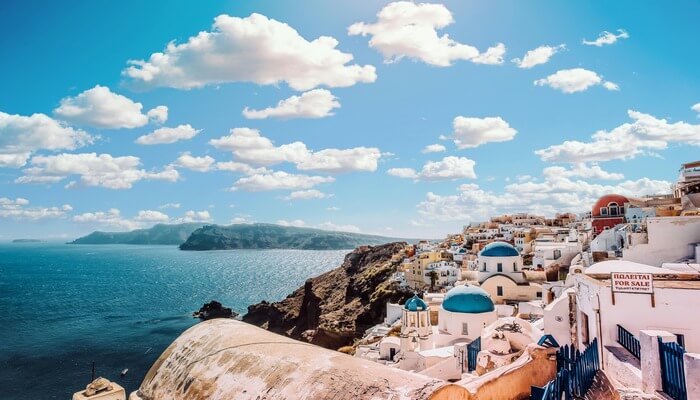
2. Santorini — Best for Volcanic Scenery and Romantic Trips
Santorini is probably one of the most recognizable Greek islands.
Its appeal comes from the volcanic landscape, whitewashed settlements, caldera views, distinctive beaches, and villages built along the cliffs.
The island’s landscape was shaped by major volcanic activity, which is a big part of what makes Santorini different from other Greek islands.
For More Details Visit Santorini Travel Guide
What to see in Santorini
Consider:
- Oia
- Fira
- Akrotiri archaeological site
- Caldera viewpoints
- Red Beach
- Traditional villages
- Local wineries
- Volcano and nearby island excursions
How long should you stay?
2–3 days is enough for a first visit.
Stay longer if you want a slower pace or plan several excursions.
Best for
Couples, photographers, scenic trips, and travelers interested in volcanic landscapes.
Travel tip
Don’t spend your entire visit around Oia and Fira.
The island has villages, archaeological sites, beaches, food, and wine experiences beyond the most photographed viewpoints.
If you’re planning a couples’ getaway beyond Greece, explore our guide to romantic cities in Europe for couples for more destination ideas.
3. Crete — Best for a Longer and More Varied Trip
Crete is a different proposition from a short island getaway.
It is large enough that you can spend several days exploring beaches, historic towns, archaeological sites, mountain landscapes, villages, and local food.
The official tourism site highlights Crete’s combination of historic sites, beaches, mountains, villages, monasteries, and archaeological attractions.
What to see in Crete
Depending on your itinerary, consider:
- Heraklion
- Chania
- Rethymno
- Knossos
- Samaria Gorge
- Elafonissi
- Balos
- Local mountain villages
How long should you stay?
4–7 days is a better starting point than trying to squeeze Crete into a weekend.
A longer trip allows you to explore one region properly instead of constantly moving between hotels.
Best for
Families, road trips, food lovers, beach travelers, and travelers who want variety.
Travel tip
Crete is big enough that accommodation location matters.
If you’re staying only a few days, choose one area and explore nearby attractions rather than trying to cover the entire island.
4. Naxos — Best for Beaches and a More Balanced Island Trip
Naxos is one of the Cyclades destinations worth considering if you want more than beaches.
The island combines sandy beaches with villages, agricultural landscapes, hiking opportunities, traditional food, and archaeological sites.
Visit official Cyclades travel guide
Visit Greece describes Naxos as the largest and most fertile island in the Cyclades and highlights the Portara monument, traditional village of Apeiranthos, and hiking around Mount Zas.
What to see
Consider:
- Portara
- Naxos Town
- Apeiranthos
- Agios Prokopios
- Agia Anna
- Halki
- Mount Zas
How long should you stay?
3–4 days works well.
Best for
Families, beach lovers, food travelers, and travelers who want a more varied island experience.
Travel tip
Renting a car can make exploring the inland villages easier, particularly if you want to see more than the main beach areas.
5. Paros — Best for Villages, Beaches and Nightlife
Paros combines several things people look for in a Greek island vacation: beaches, traditional villages, restaurants, nightlife, and Cycladic architecture.
The official tourism site describes Paros as combining a cosmopolitan atmosphere with traditional Cycladic character and highlights places such as Naoussa and Lefkes.
What to see
Include:
- Naoussa
- Parikia
- Lefkes
- Panagia Ekatontapiliani
- Kolymbithres
- Local beaches
- Traditional villages
Paros is also known for water sports such as windsurfing and sailing.
How long should you stay?
3–4 days is a comfortable starting point.
Best for
Couples, groups of friends, beach travelers, food lovers, and travelers who want some nightlife.
Travel tip
Don’t stay only around Naoussa.
Lefkes and other inland areas give you a different perspective on the island and are worth adding to your itinerary.
6. Corfu — Best for Green Landscapes and Historic Architecture
Corfu stands out from many of the Cyclades because of its greener landscape and Ionian character.
The island’s Old Town is a UNESCO World Heritage site, and the official tourism organization highlights its fortresses, Liston, and European architectural influences.
Check Official Corfu and Ionian Islands guide
What to see
Consider:
- Corfu Old Town
- Old Fortress
- New Fortress
- Liston
- Achilleion area
- Paleokastritsa
- Mountain villages
- Nearby beaches
How long should you stay?
3–5 days depending on whether you want to explore beyond Corfu Town.
Best for
History lovers, beach travelers, couples, and travelers who prefer greener scenery.
Travel tip
Give yourself at least one full day for Corfu Town before heading into the countryside or toward the beaches.
7. Rhodes — Best for History and Beach Time
Rhodes offers a useful combination for travelers who don’t want to choose between historic sightseeing and a beach vacation.
The island is home to the medieval city of Rhodes, a UNESCO World Heritage site, as well as beaches, mountain villages, archaeological sites, and coastal resorts.
Read official Rhodes travel guide
What to see
Include:
- Medieval City of Rhodes
- Palace of the Grand Master
- Lindos
- Acropolis of Lindos
- Mandraki Harbour
- Archaeological sites
- Local villages
- Beaches
How long should you stay?
3–5 days works well.
Best for
Families, history lovers, beach travelers, and travelers who want an island with plenty of sightseeing.
Travel tip
Don’t spend the entire trip inside the main resort areas.
Rhodes has enough history and local character to justify exploring beyond the beach.
8. Thessaloniki — Best for Food and City Culture
Thessaloniki is often left out of first-time Greece itineraries, but it deserves consideration if you want a city experience that feels different from Athens.
It is Greece’s second-largest city and has a long history reflected in Roman, Byzantine, Ottoman, and modern landmarks.
The official tourism organization highlights the White Tower, waterfront, Byzantine monuments, food scene, and multicultural history.
What to see
Start with:
- White Tower
- Waterfront promenade
- Ano Poli
- Aristotelous Square
- Roman Forum
- Byzantine churches
- Modiano Market area
- Museums
How long should you stay?
2–3 days is enough for a first visit.
Best for
Food lovers, history travelers, couples, and city-break travelers.
Travel tip
Leave room in your itinerary for meals.
Thessaloniki’s food culture is one of the reasons to visit, so treating the city as nothing more than a sightseeing stop would miss part of its character.
9. Meteora — Best for Dramatic Landscapes and Monasteries
Meteora is one of the most unusual destinations in Greece.
Huge rock formations rise above the surrounding landscape, with historic Orthodox monasteries built on top of several of the rock pillars.
The site has been recognized by UNESCO as a World Heritage Site, and the Greek tourism organization describes it as a place where geology, nature, and centuries of monastic history come together.
What to see
Consider:
- The monasteries of Meteora
- Hiking trails
- Viewpoints
- Kalabaka
- Kastraki
- Sunset viewpoints
How long should you stay?
1–2 days can work well.
An overnight stay is useful if you want more time for hiking and monastery visits.
Best for
Nature lovers, photographers, history travelers, and hikers.
Travel tip
Meteora is not simply a viewpoint.
Wear appropriate shoes, check monastery visiting rules before you go, and allow time to appreciate the landscape rather than rushing between photo stops.
10. Peloponnese — Best for Road Trips and Ancient Greece
The Peloponnese is an excellent choice if your idea of a Greece vacation involves driving between historic sites, coastal towns, mountains, and smaller communities.
The region includes major archaeological destinations such as Ancient Olympia and Epidaurus, historic towns including Nafplio and Monemvasia, and a wide variety of landscapes.
What to see
Depending on your route, consider:
- Nafplio
- Ancient Olympia
- Epidaurus
- Mycenae
- Monemvasia
- Corinth
- Kalamata
- Mani Peninsula
- Mystras
How long should you stay?
4–7 days works well for a road trip.
You could easily spend longer if you’re interested in smaller towns and outdoor activities.
Best for
Road trips, history lovers, families, photographers, and travelers who want to get beyond the most famous islands.
Travel tip
Don’t try to cover the entire Peloponnese in a few days.
Choose a route and group attractions geographically. This will save you considerable driving time.
Before setting off, use our road trip planning checklist to organize driving times, stops, and other practical details.
Greece by Travel Style
Not sure where to start?
Here’s a simpler way to narrow down the options.
For your first Greece trip
Athens + one island
This keeps transportation relatively manageable while giving you both history and island scenery.
For beaches
Consider:
- Crete
- Naxos
- Paros
- Rhodes
- Corfu
For history
Consider:
- Athens
- Rhodes
- Meteora
- Peloponnese
- Thessaloniki
For food
Consider:
- Crete
- Thessaloniki
- Athens
- Paros
For couples
Consider:
- Santorini
- Paros
- Corfu
For families
Consider:
- Crete
- Naxos
- Rhodes
For road trips
Peloponnese and Crete are particularly suitable for travelers who want to explore by car.
How Many Days Do You Need in Greece?
The answer depends on how much moving around you’re comfortable with.
5–7 days
Keep it simple.
For example:
Athens → Naxos
or
Athens → Santorini
8–10 days
You have enough time for:
Athens → one or two islands
or
Athens → Meteora → Thessaloniki
10–14 days
You can create a more varied itinerary.
For example:
Athens → Meteora → Thessaloniki
or
Athens → Naxos → Paros
or
Athens → Peloponnese road trip
The important thing is not to count destinations. Count travel days.
Every ferry, flight, hotel change, airport transfer, and check-in takes time.
When Is the Best Time to Visit Greece?
Greece works across several seasons, but your ideal timing depends on what you want to do.
Spring
Good for:
- Sightseeing
- Hiking
- Archaeological sites
- Comfortable city walks
- Exploring mainland Greece
Summer
Best suited to travelers prioritizing:
- Beaches
- Swimming
- Island life
- Water activities
It is also the busiest period for many popular destinations.
Early Fall
September and early October can be useful for travelers who want a combination of:
- Warm weather
- Beach time
- Sightseeing
- Fewer peak-summer pressures
Exact conditions vary by island and year.
Winter
The Greek islands are generally a very different experience outside the main summer season.
For a winter trip, mainland cities such as Athens and Thessaloniki can make more sense, while some islands have reduced seasonal services.
The official Greek tourism site promotes Greece across all four seasons rather than treating it purely as a summer destination.
Is Greece Expensive to Visit?
Greece can fit different budgets, but your destination and travel dates make a big difference.
Accommodation in a popular island destination during peak summer can cost considerably more than a stay in a less-demanded mainland city or during the shoulder season.
Before booking, compare:
- Accommodation
- Ferry or flight costs
- Local transportation
- Car rental
- Restaurant prices
- Attraction tickets
- Airport transfers
A common mistake is to look only at the hotel price.
For island trips, transportation between destinations can become a significant part of the total budget.
Read our Guide on Travel on a budget without sacrificing the experience
How to Get Around Greece
You don’t necessarily need a car for your entire trip.
Athens
Public transportation and walking can cover many major tourist areas.
Greek Islands
Ferries connect many islands, although schedules vary by route and season.
Some islands also have airports with domestic connections.
Crete and Peloponnese
A rental car can make sense if you want to visit smaller towns, beaches, archaeological sites, or rural areas.
Mainland Greece
Trains, buses, rental cars, and domestic flights can all play a role depending on your route.
Before leaving, use our international travel packing checklist to organize your travel documents, clothing, electronics, and other essentials.
Check schedules close to your travel dates, especially for ferries and seasonal services.
A Few Greece Travel Mistakes to Avoid
Trying to visit too many islands
Island hopping sounds easy until you start adding ferry schedules and hotel changes.
Two or three destinations can be much more enjoyable than six rushed stops.
Staying only in the most famous areas
Santorini’s caldera is beautiful, but Greece has much more to offer beyond the most photographed locations.
Ignoring travel time
A map can make two destinations look close when the actual journey involves a ferry connection or several transfers.
Visiting archaeological sites in the middle of the hottest part of the day
If you’re traveling during hot weather, plan major outdoor sightseeing earlier or later when practical.
Not checking local rules
Opening hours, ferry schedules, museum access, and site rules can change.
Check official sources close to your trip.
Responsible Travel in Greece
Greece’s beaches, islands, archaeological sites, and historic communities attract large numbers of visitors.
Travelers can help reduce pressure by making simple choices:
- Respect archaeological sites and monuments
- Stay on marked trails
- Don’t remove stones, artifacts, or natural objects
- Follow beach and marine-area rules
- Carry reusable water bottles where practical
- Support locally owned restaurants and businesses
- Avoid wasting water, particularly on islands
- Respect residents in busy historic neighborhoods
- Don’t treat religious sites as photography sets
Sustainable and slower travel are also featured themes on Greece’s official tourism platform.
For more practical ideas, read our guide to practical sustainable travel tips for ways to reduce waste and be more considerate of the places you visit.
Frequently Asked Questions
What are the best places to visit in Greece in 2026?
There isn’t one destination that suits every traveler. Athens is useful for history and first-time visits, Santorini for volcanic scenery, Crete for variety, Naxos and Paros for island travel, and Meteora or the Peloponnese for history and landscapes.
How many days do I need in Greece?
For a first trip, 7–10 days gives you enough time to combine Athens with one or two additional destinations without making the itinerary excessively rushed.
Is Santorini worth visiting?
Santorini can be a good fit if you specifically want dramatic volcanic scenery, caldera views, traditional cliffside settlements, and a well-developed visitor infrastructure. It is not the only Greek island worth considering.
Which Greek island is best for families?
Crete, Naxos, and Rhodes each offer a combination of beaches and activities that can work well for family trips. Your choice should also depend on accommodation, transportation, and the areas you want to explore.
Is Greece good for a road trip?
Yes. Crete and the Peloponnese are particularly well suited to road-trip itineraries because of their size and variety of towns, landscapes, archaeological sites, and coastal areas.
Can I visit Greece on a budget?
Yes, but costs vary substantially by destination and season. Traveling outside peak periods, staying longer in fewer places, and comparing transportation options can help control costs.
Should I visit Greece in summer or fall?
Summer is useful if beaches and island activities are your main priorities. Spring and early fall can be attractive for travelers who want a combination of sightseeing and outdoor activities with different seasonal conditions.
Final Thoughts
Greece is much more than Athens and a few famous islands.
If this is your first trip, start with what you actually want from the vacation.
For ancient history, Athens and the Peloponnese give you plenty to explore. For island scenery, Santorini, Naxos, or Paros offer very different experiences. If you want a destination with more variety, Crete is worth considering. And if you want something completely different, Meteora combines dramatic geology with centuries of religious history.
You don’t need to see all of Greece in one trip.
Choose a few places that fit your interests, allow enough time between them, and leave some room for the unexpected. That’s usually a better way to experience Greece than trying to collect destinations from a checklist.



[…] Greece is on your itinerary, explore our guide to the best places to visit in Greece in 2026 for ideas beyond […]