

List of US national parks by state to Consider for Your Next Trip
The United States has national parks for almost every kind of traveler.
You can hike through granite valleys in California, watch wildlife in Wyoming, walk along rugged coastlines in Maine, explore red-rock landscapes in Utah, or drive through mountain scenery in Montana.
The difficult part is deciding where to go.
Instead of calling these the “most breathtaking” parks or presenting them as an objective ranking, this guide focuses on 15 national parks that offer very different travel experiences. Each one has something specific that may make it a good fit for your trip.
The National Park Service recorded more than 323 million recreation visits across the National Park System in 2025, with 406 of the system’s 433 units reporting visitation. Among designated national parks, Great Smoky Mountains, Zion, Yellowstone, Grand Canyon and Yosemite recorded the highest visitation that year.
So whether you’re planning a family vacation, hiking trip, road trip or your first visit to a U.S. national park, there are plenty of options to consider.
1. Yellowstone National Park, Wyoming, Montana and Idaho
Best for: Wildlife, geothermal features and a classic national park road trip
Yellowstone is a good choice if you want several different types of experiences in one trip.
The park is famous for geothermal areas, including Old Faithful, but its appeal goes well beyond geysers. Wildlife viewing, lakes, rivers, forests and mountain scenery all form part of the experience.
Yellowstone recorded 4,762,988 recreation visits in 2025, according to the National Park Service.
Things to do
- See Old Faithful
- Explore the Grand Prismatic Spring area
- Look for bison and other wildlife
- Visit Yellowstone Lake
- Explore the Grand Canyon of the Yellowstone
- Drive the park’s scenic roads
- Take short or longer hikes
Official Yellowstone National Park trip-planning information
Planning tip: Yellowstone is enormous. Don’t assume you can see the whole park in a day. Give yourself several days if you want to explore beyond the most famous viewpoints.
2. Zion National Park, Utah
Best for: Hiking, canyon scenery and an active trip
Zion is one of the parks that can easily become the centerpiece of a Utah road trip.
Its towering sandstone cliffs and narrow canyon landscapes create a very different experience from parks dominated by forests or alpine scenery.
The National Park Service recorded nearly 5 million recreation visits to Zion in 2025, making it the second most visited designated national park that year.
Things to do
- Explore Zion Canyon
- Hike the Riverside Walk
- Hike The Narrows when conditions permit
- Visit the Court of the Patriarchs
- Explore the park’s scenic areas
- Take advantage of the park shuttle system when operating
Official Zion National Park trip-planning information
Planning tip: Zion can become very busy. Check the current shuttle, trail and road information before your visit rather than relying on an old itinerary you found online.
3. Grand Canyon National Park, Arizona
Best for: Huge landscapes, viewpoints and first-time national park visitors
The Grand Canyon is one of the easiest parks to appreciate even if you’re not an experienced hiker.
The scale of the canyon is difficult to understand from photographs. Many first-time visitors spend most of their time along the rim, walking between viewpoints and watching the changing light across the canyon.
Things to do
- Visit viewpoints along the South Rim
- Watch sunrise or sunset
- Walk part of the Rim Trail
- Visit the Grand Canyon Visitor Center
- Explore Desert View
- Consider a longer hike if you are properly prepared
- Learn about the canyon’s geology and cultural history
Official Grand Canyon National Park trip-planning information
Planning tip: A day can give you a good introduction, but staying longer allows you to explore beyond the main viewpoints without rushing.
4. Yosemite National Park, California
Best for: Waterfalls, granite cliffs, hiking and iconic scenery
Yosemite is one of the most recognizable national parks in the country.
The park covers nearly 1,200 square miles and includes Yosemite Valley, waterfalls, meadows, giant sequoias and extensive wilderness. The National Park Service lists hiking, sightseeing, camping, rock climbing, biking, wildlife viewing and ranger programs among the many activities available.
Things to do
- Explore Yosemite Valley
- See Yosemite Falls
- Visit El Capitan
- See Half Dome from designated viewpoints
- Visit Glacier Point when accessible
- Explore Mariposa Grove
- Hike one of the park’s many trails
Official Yosemite National Park trip-planning information
2026 planning note
Yosemite does not require a vehicle reservation for entry in 2026, although the park still recommends planning ahead for lodging, camping and backpacking permits.
Planning tip: Even without an entry reservation, popular areas can become crowded. Check current road and parking conditions before you leave for the park.
5. Great Smoky Mountains National Park, Tennessee and North Carolina
Best for: Families, hiking, waterfalls, wildlife and scenic drives
Great Smoky Mountains National Park is a particularly versatile choice.
You don’t have to be an experienced hiker to enjoy it. Visitors can explore scenic drives, historic buildings, waterfalls, wildlife viewing areas, picnic areas and hiking trails.
The park was the most visited designated national park in 2025, with more than 11.5 million recreation visits.
The National Park Service lists activities including hiking, wildlife viewing, fishing, camping, auto touring, biking, horseback riding and ranger programs.
Things to do
- Drive through Cades Cove
- Explore Roaring Fork Motor Nature Trail
- Hike to waterfalls
- Look for wildlife
- Visit historic structures
- Explore scenic overlooks
- Spend time in nearby gateway towns
Official Great Smoky Mountains National Park information
Planning tip: Cades Cove and other popular roads can experience significant traffic. Start early if you want a quieter experience.
6. Rocky Mountain National Park, Colorado
Best for: Mountain scenery, hiking and high-elevation drives
Rocky Mountain National Park is a strong choice for travelers who want to spend time in the mountains without giving up scenic driving opportunities.
One of its best-known attractions is Trail Ridge Road, which reaches 12,183 feet and crosses the park between Estes Park and Grand Lake when seasonal conditions allow.
Things to do
- Drive Trail Ridge Road
- Visit Bear Lake
- Hike in the Bear Lake area
- Explore alpine viewpoints
- Look for elk and other wildlife
- Visit Estes Park
- Explore the western side of the park
Official Rocky Mountain National Park trip-planning information
2026 planning note
Rocky Mountain National Park continues to use a timed-entry system during part of the 2026 season. The National Park Service says timed-entry reservations are required during certain hours from May 22 through October 12, 2026.
Planning tip: Check the official reservation requirements shortly before your trip. National park entry policies can change from one year to the next.
7. Acadia National Park, Maine
Best for: Coastline, hiking, scenic drives and an East Coast national park experience
Acadia is very different from the large Western parks.
Located along Maine’s Atlantic coast, it combines rocky shoreline, forests, mountains and coastal scenery.
The park works well for travelers who want a national park experience while also exploring a charming New England region.
Things to do
- Explore Park Loop Road
- Visit Cadillac Mountain
- Walk along the rocky coastline
- Hike selected trails
- Visit Jordan Pond
- Explore Bar Harbor
- Watch the sunrise or sunset
Official Acadia National Park information
Planning tip: Acadia is a good addition to a broader Maine road trip rather than a destination you necessarily need to visit on its own.
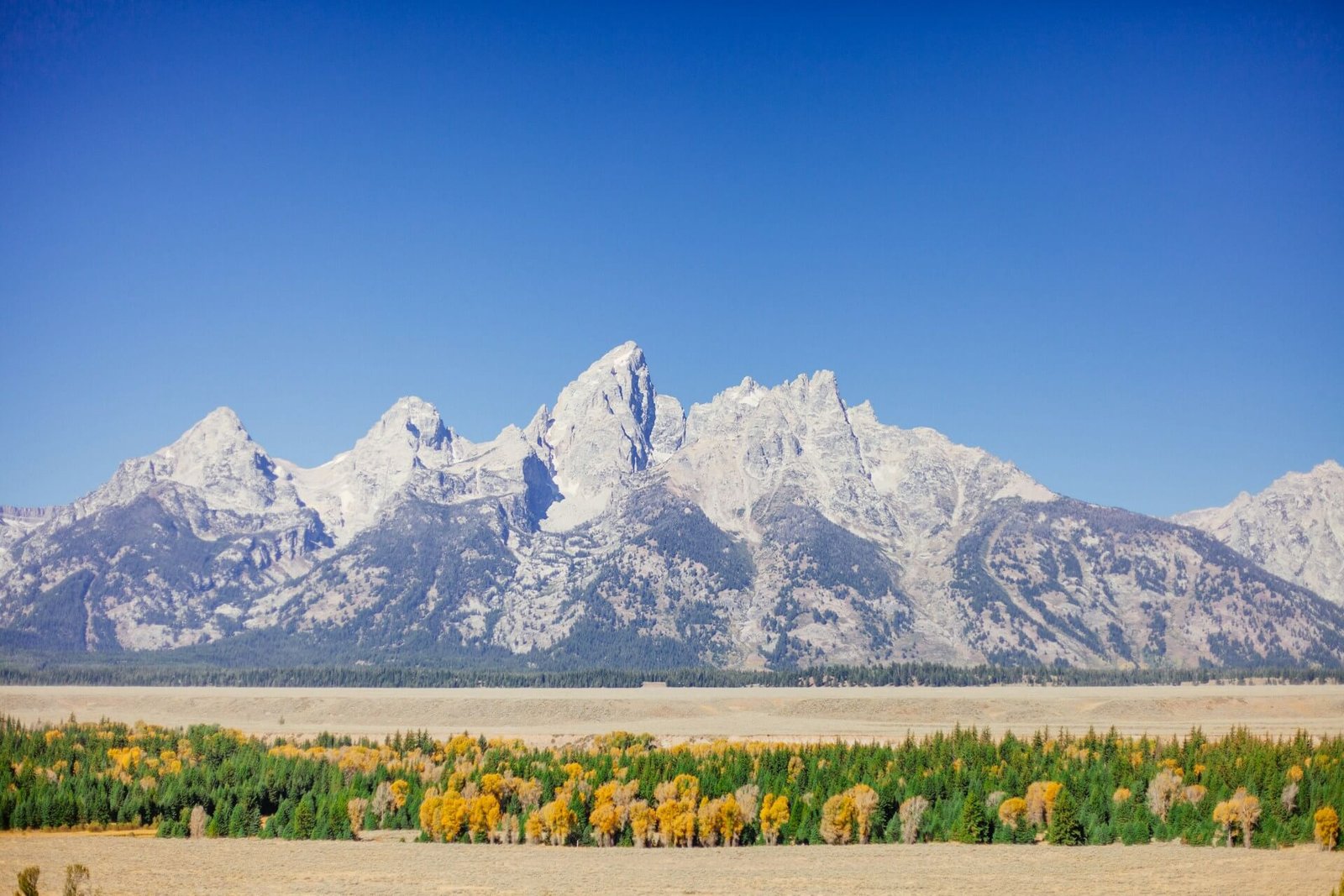
8. Grand Teton National Park, Wyoming
Best for: Mountain views, wildlife and scenic drives
Grand Teton is located south of Yellowstone, making the two parks particularly easy to combine on a Wyoming road trip.
The Teton Range dominates the landscape, and the park offers a mixture of mountain viewpoints, lakes, hiking trails and wildlife habitat.
Things to do
- Drive through the park
- Visit Jenny Lake
- Explore Jackson Lake
- Look for wildlife
- Take a boat ride where available
- Hike one of the park’s trails
- Photograph the Teton Range
Official Grand Teton National Park information
Planning tip: Consider combining Grand Teton and Yellowstone rather than treating them as two completely separate vacations.
9. Olympic National Park, Washington
Best for: Rainforests, mountains and coastline in one trip
Olympic National Park is one of the most geographically diverse choices on this list.
The National Park Service describes the park as covering nearly a million acres and protecting several distinct ecosystems, including glacier-capped mountains, old-growth temperate rain forests and more than 70 miles of wild coastline.
That variety is what makes Olympic particularly interesting.
Things to do
- Explore the Hoh Rain Forest
- Visit Hurricane Ridge
- Explore Lake Crescent
- Walk along the Pacific coast
- Look for tide pools where conditions allow
- Hike through forest and mountain landscapes
Official Olympic National Park information
Planning tip: Don’t underestimate driving distances. Olympic’s different areas are spread out, so plan your route around the specific places you want to visit.
10. Glacier National Park, Montana
Best for: Alpine scenery, hiking and scenic drives
Glacier National Park is known for rugged mountain scenery and one of the country’s classic scenic drives: Going-to-the-Sun Road.
The alpine section of the road is seasonal, and the National Park Service notes that its opening date varies depending on snow removal and weather conditions.
Things to do
- Drive Going-to-the-Sun Road when open
- Visit Logan Pass
- Hike selected trails
- Explore Lake McDonald
- Look for wildlife
- Visit Many Glacier
- Photograph the mountain scenery
Official Glacier National Park trip-planning information
2026 planning note
Glacier does not require a park-wide vehicle reservation system in 2026, but the National Park Service warns that parking is limited and congestion can lead to temporary restrictions.
Planning tip: Check the road status before setting out, especially if you’re visiting outside the peak summer period.
11. Bryce Canyon National Park, Utah
Best for: Hoodoos, photography and shorter hiking experiences
Bryce Canyon is famous for its unusual rock formations known as hoodoos.
The landscape is compact compared with some of the enormous Western parks, making it possible to experience several viewpoints and trails without needing a week.
Things to do
- Visit Bryce Amphitheater
- See Sunrise Point and Sunset Point
- Hike into the amphitheater
- Drive the scenic road
- Photograph the hoodoos
- Visit at night for stargazing when conditions are suitable
The National Park Service reported 1,967,367 recreation visits in 2025 and noted that the park changed its visitor-counting methodology that year, making comparisons with earlier figures less straightforward.
Official Bryce Canyon National Park information
Planning tip: Bryce Canyon can be combined with Zion, Grand Canyon and other Utah destinations on a longer Southwest road trip.
12. Arches National Park, Utah
Best for: Red-rock formations, photography and short-to-moderate hikes
Arches is a good choice if you want to see an unusual landscape without needing to spend your entire trip on difficult hikes.
The park contains more than 2,000 natural stone arches, along with sandstone fins, pinnacles and balanced rocks.
Things to do
- See Delicate Arch
- Explore Windows
- Visit Balanced Rock
- Drive the park road
- Hike in Devils Garden
- Enjoy the night sky
2026 planning note
Arches does not require advanced timed-entry reservations in 2026. However, the park may temporarily divert vehicles when congestion becomes heavy. Reservations are still required for certain activities, including Devils Garden camping and Fiery Furnace hikes.
Planning tip: Combine Arches with nearby Canyonlands if you’re building a Utah road trip.
13. Joshua Tree National Park, California
Best for: Desert landscapes, rock formations and stargazing
Joshua Tree offers a completely different experience from Yosemite or the mountain parks.
The landscape combines desert vegetation, unusual rock formations and wide-open scenery. It is particularly appealing to photographers, road trippers and travelers interested in desert landscapes.
Things to do
- Drive through the park
- Visit Keys View
- Explore the Cholla Cactus Garden
- See Joshua trees
- Explore rock formations
- Hike selected trails
- Stargaze after dark
Planning tip: Desert conditions can be challenging, especially during hot weather. Carry enough water and check weather and park conditions before hiking.
14. Mount Rainier National Park, Washington
Best for: Mountain scenery, wildflowers and hiking
Mount Rainier is centered around the massive volcanic peak of Mount Rainier and offers hiking, scenic viewpoints, forests and seasonal wildflowers.
It can be a good option for travelers visiting the Pacific Northwest.
Things to do
- Visit Paradise
- Explore Sunrise
- Hike suitable trails
- Look for seasonal wildflowers
- Photograph Mount Rainier
- Explore nearby forest landscapes
2026 planning note
Mount Rainier does not require timed-entry reservations anywhere in the park in 2026. Instead, the park is using parking-management strategies to handle busy periods. The National Park Service recommends checking current conditions and considering earlier or later visits during peak periods.
Planning tip: Conditions can change quickly in mountain environments, so check the park’s current alerts before traveling.
15. Sequoia and Kings Canyon National Parks, California
Best for: Giant trees, mountain scenery and a quieter alternative to some California favorites
Sequoia and Kings Canyon are two separate national parks managed together by the National Park Service.
The area is especially known for giant sequoia trees, including the General Sherman Tree. The parks also protect deep canyons, high Sierra landscapes and extensive wilderness.
Things to do
- Visit the General Sherman Tree
- Explore Giant Forest
- See General Grant Tree
- Visit Moro Rock
- Explore Kings Canyon
- Take scenic drives
- Hike through the sequoia forests
Planning tip: These parks are spread across a large area. Check road conditions and seasonal access before deciding how much you can realistically see in one day.
Which U.S. National Park Should You Choose?
There isn’t one national park that is right for every traveler.
Instead, start with the experience you want.
For your first national park trip
Consider:
- Grand Canyon
- Yellowstone
- Yosemite
- Great Smoky Mountains
These provide very different experiences and are relatively straightforward choices for a first national park vacation.
For a family trip
Consider:
- Great Smoky Mountains
- Grand Canyon
- Acadia
- Yosemite
Look for parks where you can combine scenic drives, short walks, visitor centers and activities suitable for different fitness levels.
For hiking
Consider:
- Zion
- Yosemite
- Rocky Mountain
- Glacier
- Olympic
Always check current trail conditions and your own experience level before choosing a hike.
For a road trip
Consider:
- Yellowstone + Grand Teton
- Zion + Bryce Canyon + Arches
- Yosemite + Sequoia/Kings Canyon
- Grand Canyon + other Southwest destinations
If you’re planning a longer drive, our Road Trip Planning Checklist can help you prepare your route, vehicle, budget and emergency supplies.
How Many Days Do You Need for a National Park Trip?
This depends on the size of the park and how much you want to do.
1 day
A one-day visit can work for:
- Bryce Canyon
- Arches
- Acadia
- Parts of Grand Canyon
You’ll need to focus on a small number of sights.
2–3 days
This is a better starting point for larger parks such as:
- Yosemite
- Zion
- Grand Teton
- Olympic
- Rocky Mountain
4+ days
Consider several days for parks such as:
- Yellowstone
- Glacier
- Olympic
- Yosemite
Larger parks can take significant time to drive across, and weather or road closures can affect your plans.
When Is the Best Time to Visit U.S. National Parks?
There isn’t one best season for every park.
Spring
Spring can be a good time for lower-elevation parks, waterfalls and wildflowers, but higher-elevation roads and trails may still be affected by snow.
Summer
Summer offers access to many mountain roads, hiking trails and seasonal facilities, but it is also a busy period for many parks.
Fall
Fall can bring cooler temperatures and changing foliage, especially in parks such as Great Smoky Mountains and Acadia.
Winter
Winter transforms many parks and can offer fewer visitors, but snow and road closures can limit access.
Before traveling, check the individual park’s official website. The National Park Service recommends checking current conditions, reservations and alerts because access requirements can differ from park to park.
National Park Reservations and Entry Requirements
One important mistake is assuming that every national park follows the same reservation system.
It doesn’t.
Some parks use timed entry or other reservation systems during busy periods, while others do not.
For example, Rocky Mountain National Park has timed-entry requirements during parts of the 2026 season, while Yosemite, Arches and Mount Rainier have announced that they will not require timed-entry reservations in 2026.
Always check the official park website shortly before your trip.
Check current National Park Service entrance passes and reservation information
Should You Buy the America the Beautiful Pass?
If you plan to visit several federal recreation sites within a year, the America the Beautiful – National Parks and Federal Recreational Lands Pass may be worth considering.
The National Park Service says the annual pass covers entrance fees and standard amenity fees at federal recreational sites, including national parks.
However, compare the pass price with the entrance fees for the parks on your actual itinerary before buying it.
Official America the Beautiful Pass information from the National Park Service
What to Pack for a National Park Trip
Your packing list should depend on the park and season, but a few basics are useful for most trips:
- Comfortable hiking shoes
- Reusable water bottle
- Daypack
- Sun protection
- Weather-appropriate layers
- Rain jacket
- Phone and power bank
- Offline maps
- First-aid supplies
- Snacks
- Headlamp or flashlight
- Personal medication
- National park map
- Extra water for desert environments
For a broader international travel checklist, see our International Travel Packing Checklist.
Don’t assume that mobile service will work everywhere. Download maps before entering remote areas.
National Park Travel Tips for First-Time Visitors
Start early
Popular parking areas can fill quickly, especially during summer.
Check the official website before leaving
Roads, trails, shuttles, weather conditions and reservation requirements can change.
Don’t rely entirely on your phone
Download offline maps and keep important information accessible without a signal.
Bring enough water
This is especially important in desert parks such as Arches, Joshua Tree and Grand Canyon.
Respect wildlife
Never approach or feed wild animals. Give wildlife plenty of space and follow park instructions.
Stay on designated trails
This protects both visitors and fragile natural environments.
Don’t underestimate distances
A destination that looks close on a map may take much longer to reach because of mountain roads, traffic or park congestion.
Leave room in your itinerary
Weather and road conditions can change. A flexible itinerary is often easier than planning every hour.
A Sample 10-Day U.S. National Park Road Trip
If you want to build a Southwest-focused trip, one possible route is:
Days 1–2: Las Vegas or nearby gateway
Use the first day to settle in and prepare for the road trip.
Days 3–4: Zion National Park
Spend time exploring Zion Canyon and hiking according to your ability and current conditions.
Day 5: Bryce Canyon
Explore the viewpoints and one or two trails.
Days 6–7: Arches National Park
Stay near Moab and explore Arches.
Days 8–9: Grand Canyon
Spend time at the South Rim and watch sunset or sunrise.
Day 10: Return journey
Adjust the final day depending on your departure city.
This is only an example. You could easily spend more time in each park rather than trying to cover several destinations in one trip.
Final Thoughts
The best national park trip isn’t necessarily the one with the longest list of parks.
It’s the one that gives you enough time to actually experience the places you’re visiting.
If you want dramatic canyons, Zion and Grand Canyon offer very different versions of that landscape. If wildlife and geothermal features interest you, Yellowstone is a natural choice. Yosemite and Sequoia/Kings Canyon work well for a California trip, while Acadia and Great Smoky Mountains provide very different experiences on the eastern side of the country.
Before you book anything, check the official National Park Service website for the park you’re visiting. Entry systems, road conditions, seasonal access and trail conditions can change, and information from an older blog post may no longer be accurate.
For more destination ideas, you can also explore our 12 Countries to Visit in Europe: Where to Go Based on Your Travel Style if you’re comparing U.S. travel with international trips.
Frequently Asked Questions
What are the best national parks in the USA for first-time visitors?
Good starting options include Yellowstone, Yosemite, Grand Canyon and Great Smoky Mountains. Each offers a different type of national park experience, so the right choice depends on whether you prefer wildlife, mountains, canyons, hiking or scenic drives.
How many national parks should I visit on one trip?
For most trips, fewer parks with more time in each one is easier and more enjoyable than trying to visit many parks quickly. Two or three parks can be enough for a one-week trip.
What is the most visited national park in the USA?
Among designated national parks, Great Smoky Mountains National Park recorded the most recreation visits in 2025, with 11,527,939 visits.
Do all national parks require reservations?
No. Reservation and timed-entry requirements vary by park and sometimes by season. Always check the individual park’s current NPS information before visiting.
Is a national park annual pass worth buying?
It can make sense if you plan to visit several federal recreation sites during the year. Compare the annual pass with the entrance fees for your planned destinations before purchasing.
What should I bring to a U.S. national park?
At minimum, bring appropriate footwear, water, food or snacks, sun protection, weather-appropriate clothing, navigation tools and any medication you need. Your exact equipment should depend on the park, season and activities planned.
Are national parks suitable for families?
Many national parks have activities suitable for families, including scenic drives, visitor centers, short walks, picnic areas and ranger programs. Choose activities based on the ages and abilities of everyone in your group.



[…] you enjoy combining coastal scenery with outdoor exploration, discover more places in our guide to national parks in the USA for ideas beyond the […]