
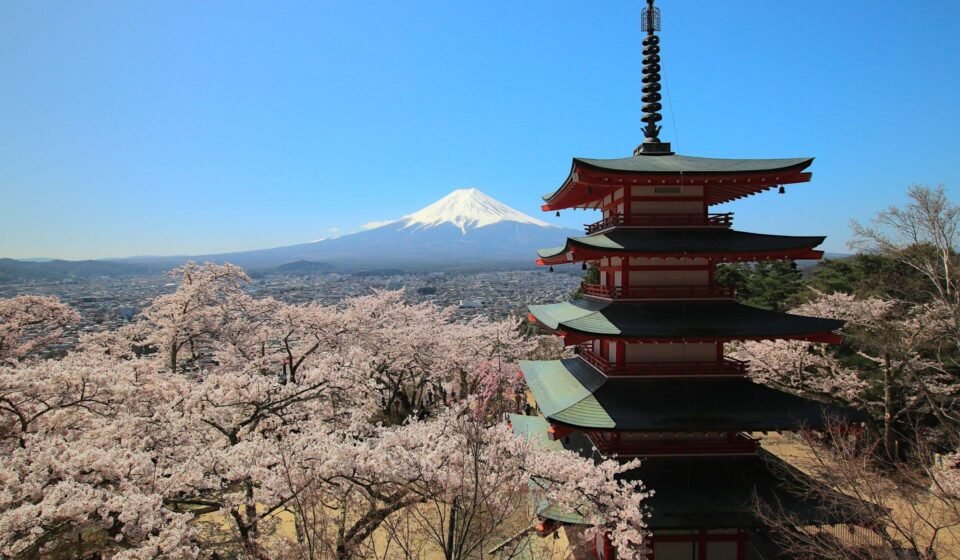

Why Japan Is Still One of the World’s Most Popular Travel Destinations in 2026
Japan has been one of the most talked-about international travel destinations in recent years, but saying that “everyone is travelling to Japan” does not explain much.
The more useful question is why so many travelers continue to choose Japan—and what they actually expect from a trip there.
Japan offers an unusual combination for international visitors. You can spend the morning exploring a centuries-old temple, take a high-speed train to another city, eat at a small neighborhood restaurant, and end the day in one of the world’s largest urban areas. That variety is a major part of the appeal.
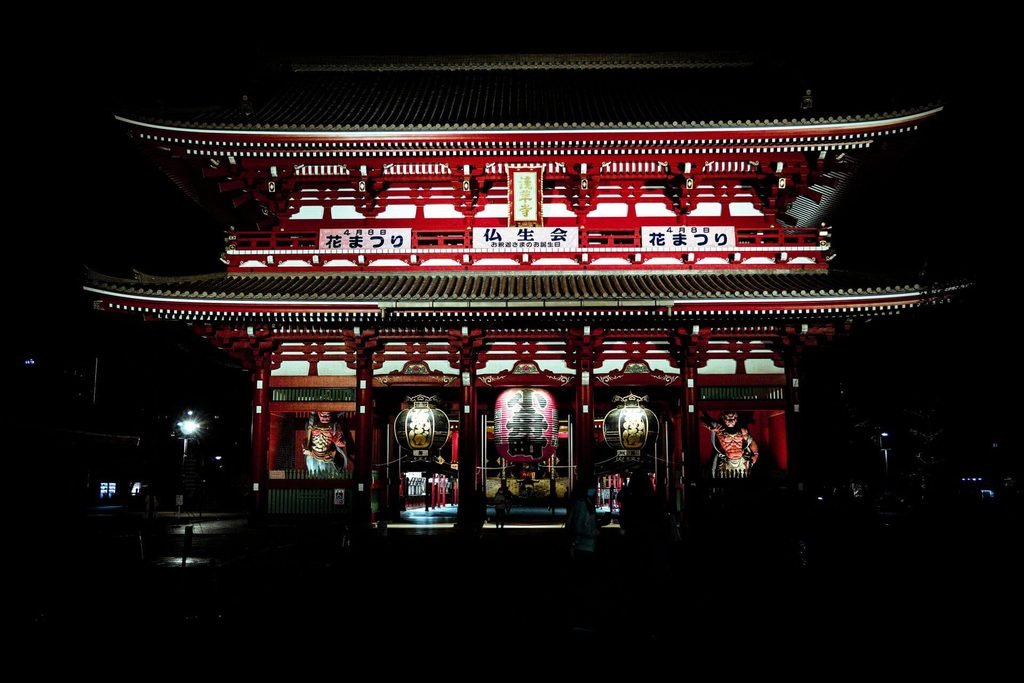
Official tourism data also shows that Japan remains a major international destination in 2026. Japan welcomed approximately 21.1 million international visitors during the first half of 2026, according to the Japan National Tourism Organization (JNTO)
But popularity also creates challenges. Famous destinations can be crowded, accommodation prices can vary significantly, and a poorly planned itinerary can leave first-time visitors spending more time in transit than they expected.
This guide looks at why Japan remains so popular in 2026, along with what travelers should realistically consider before booking a trip.
1. Japan Offers Very Different Travel Experiences in One Country
One reason Japan appeals to such a wide range of travelers is that a single trip can include several completely different experiences.
A visitor might combine:
- Tokyo’s neighborhoods and nightlife
- Kyoto’s temples and historic districts
- Osaka’s food scene
- Mountain towns and hot springs
- Hiking and national parks
- Coastal destinations
- Ski areas
- Rural communities
That flexibility makes Japan suitable for different travel styles.
Japan can work well for:
First-time international travelers
Major cities have extensive transportation systems, and many popular tourist areas have information available in English.
Food-focused travelers
Japan offers everything from convenience-store meals and street food to regional specialties and high-end restaurants.
History and culture enthusiasts
Temples, shrines, castles, museums, and historic neighborhoods can easily become the focus of an itinerary.
Nature travelers
Japan also offers hiking, mountains, forests, coastlines, and seasonal scenery outside its largest cities.
The important point is that Japan is not just a Tokyo-and-Kyoto destination.
Travelers who have more time can explore regional areas and build a trip around their own interests.
2. Japan’s Food Is a Major Reason People Want to Visit
Japanese food is one of the country’s biggest travel attractions. And for many visitors, the experience goes far beyond sushi.
Different regions have their own specialties, which means food can become part of the travel experience itself.
Travelers may encounter:
- Ramen
- Udon and soba
- Okonomiyaki
- Yakitori
- Regional seafood dishes
- Japanese curry
- Wagyu beef
- Seasonal desserts
- Local street food
One of the advantages of traveling in Japan is that food experiences exist at many price levels.
You do not need to book expensive restaurants every day to eat well.
A simple neighborhood restaurant, food market, train-station meal, or convenience store can also be part of the experience.
Practical tip
Instead of trying to find the “best restaurant in Japan” from a viral social-media list, look for regional dishes in the places you are visiting.
Food often becomes more interesting when you connect it to the destination.
3. The Contrast Between Modern Cities and Traditional Culture Is Still Powerful
Japan’s mix of modern and traditional environments is another reason travelers remain interested. Tokyo can feel completely different from Kyoto. Kyoto can feel completely different from a smaller rural town. Even within one city, the atmosphere can change quickly.
Visitors may move between:
- Busy shopping districts
- Quiet temples
- Traditional gardens
- Modern architecture
- Historic neighborhoods
- Underground food halls
This variety makes it possible to build a trip that does not feel repetitive.
However, travelers should avoid expecting Japan to be a perfectly preserved version of the past.
Japan is a modern country, and daily life continues alongside its historical traditions.
A better travel experience usually comes from appreciating both.
4. Japan Makes Multi-City Travel Relatively Practical
For many international visitors, transportation is one of Japan’s biggest advantages. Japan has an extensive network of trains, including high-speed Shinkansen services, local rail lines, buses, and other public transportation options. The Japan National Tourism Organization’s transportation guide provides a useful overview for travelers planning how to get around the country.
This can make it practical to combine destinations such as:
Tokyo → Kyoto → Osaka
without renting a car.
That does not mean every journey is simple or cheap.
Japan’s transportation system can feel overwhelming to first-time visitors, especially in large stations.
You may need to understand:
- Different train operators
- Reserved versus non-reserved seats
- Local transportation
- Airport transfers
- Luggage rules
- Whether a rail pass actually makes financial sense
Important: Don’t automatically buy a rail pass
A common mistake is assuming that a Japan rail pass will always save money.
The value depends heavily on your itinerary.
Before purchasing any transportation pass, calculate the approximate cost of the individual journeys you actually plan to take.
5. Seasonal Travel Gives Visitors Different Reasons to Return
Japan has strong seasonal travel appeal.
The experience can change significantly depending on when you visit.
Spring
Spring is associated with cherry blossoms and mild weather in many areas.
It is also one of the busiest periods in popular destinations.
Summer
Summer can bring festivals, mountain hiking opportunities, and regional events.
However, heat and humidity can be significant in many cities.
Autumn
Autumn attracts travelers interested in fall colors and generally cooler temperatures.
Winter
Winter offers skiing and snowboarding in some regions, while major cities provide a different travel experience with fewer seasonal visitors than during peak spring periods.
The best time to visit depends more on what you want to do than on finding one universally perfect month.
6. Japan’s Tourism Popularity Is Supported by Real Visitor Demand
Japan’s popularity is not based only on social-media trends. JNTO’s official statistics show continued international demand in 2026.
Japan recorded approximately 3.15 million international visitors in June 2026, bringing the cumulative total for January through June to approximately 21.08 million visitors.
Visitor numbers naturally vary by month and market, so one month’s figure should not be used to make sweeping claims about every traveler or every destination.
However, the broader data confirms that Japan remains one of the world’s major international tourism markets. JNTO provides regularly updated visitor-arrival, regional visitation, and travel-spending statistics for researchers and travelers who want to understand these trends in more detail.
Why this matters for travelers
High demand can affect:
- Hotel availability
- Accommodation prices
- Popular attractions
- Train reservations
- Crowds in famous neighborhoods
Planning ahead can make a noticeable difference, especially during major holiday periods and popular seasonal events.
7. Travelers Are Increasingly Interested in More Than Tokyo and Kyoto
Tokyo and Kyoto remain essential destinations for many first-time visitors.
But Japan’s tourism industry is also encouraging interest in destinations beyond the most heavily visited cities.
Japan’s official tourism statistics track where international visitors travel and stay overnight, including prefectural and regional patterns.
For travelers, looking beyond the most obvious itinerary can provide a different experience.
Depending on your interests, you might consider:
- Smaller historic towns
- Mountain regions
- Coastal areas
- Regional food destinations
- Onsen towns
- National parks
This does not mean you should skip Tokyo or Kyoto simply because they are popular.
They are popular for a reason.
But if you have enough time, adding one less-obvious destination can make your itinerary feel more balanced.
8. Japan Appeals to Travelers With Different Budgets
Japan has a reputation for being expensive. That can be true in some situations. Accommodation in popular areas can be costly, and transportation expenses can add up quickly. But Japan does not have to be a luxury-only destination.
Travelers can reduce costs by choosing:
- Business hotels
- Smaller accommodations
- Budget-friendly restaurants
- Convenience-store meals occasionally
- Public transportation
- Free parks and walking areas
At the same time, visitors should not assume Japan is automatically cheap.
Prices depend heavily on:
- Season
- Destination
- Accommodation type
- Exchange rates
- Travel style
A realistic budget is more useful than a viral claim that you can travel across Japan for a fixed amount per day.
9. Japan Feels Easy to Research Before You Go
Another reason Japan attracts first-time visitors is the amount of travel information available.
Travelers can research:
- Train routes
- Attractions
- Accommodation
- Regional food
- Seasonal events
before leaving home.
However, too much information can also create unrealistic expectations.
Social media often presents:
- Perfectly empty temples
- Cherry blossoms without crowds
- “Hidden” restaurants
- Perfectly timed train photos
- Quiet streets in famous tourist districts
The reality can be different.
Popular places are often busy because they are genuinely popular.
A better approach is to plan for crowds rather than being surprised by them.
What Travelers Should Know Before Visiting Japan in 2026
Japan is a rewarding destination, but a few practical decisions can make a big difference.
First-time visitors can also review the official Japan travel planning information from JNTO for practical details about transportation, customs, seasonal travel, connectivity, and other essentials before departure.
Plan Your Itinerary Around Geography
Do not choose destinations simply because they all appear on a “Top 10 Japan” list. Look at a map. A more efficient itinerary can save time and reduce unnecessary backtracking.
For a first trip, many travelers might reasonably focus on one region rather than attempting to cover the entire country.
Book Popular Accommodation Early
Hotels in high-demand destinations can become expensive or difficult to find during busy periods.
If your trip includes a major seasonal event or holiday period, booking accommodation earlier may give you more options.
Learn Basic Transportation Before Arrival
You do not need to memorize the entire rail system. But understanding your main airport transfer, hotel location, and first major journey can reduce stress after arrival.
Be Realistic About Daily Sightseeing
Tokyo and Kyoto are much larger than many visitors expect. Trying to visit attractions scattered across the city can turn a vacation into a series of train journeys. Group activities by neighborhood or area whenever possible.
Respect Local Rules and Etiquette
Japan has social expectations that may be different from those in your home country.
Pay attention to:
- Photography rules
- Temple and shrine etiquette
- Quiet areas
- Queueing
- Public transportation behavior
- Private property
When unsure, observe what local people are doing and follow posted instructions.
Is Japan Worth Visiting in 2026?
For many travelers, yes. Japan continues to offer an unusually broad combination of:
- Food
- Culture
- Major cities
- Historic sites
- Nature
- Seasonal travel
- Efficient transportation
Official visitor data also confirms that international demand remains substantial in 2026, although tourism patterns can vary by season and visitor market.
The key is to plan the trip around your own interests rather than copying a viral itinerary.
You do not need to see every famous attraction.
A better first trip might mean fewer destinations, more time in each place, and enough flexibility to explore beyond your original schedule.
Final Thoughts
Japan’s popularity is not difficult to understand.
It offers experiences that can appeal to completely different types of travelers, often within the same trip.
But popularity also means planning matters.
The best approach for 2026 is not to ask how many famous places you can fit into one itinerary.
Instead, decide what kind of trip you want.
Do you care most about food?
History?
Cities?
Nature?
Seasonal travel?
Once you know that, planning Japan becomes much easier.