
10 National Parks in Africa to Consider for Your Next Safari
Africa has no shortage of places to see wildlife, but choosing a national park can be surprisingly difficult.
The right park depends on what you want from the trip. Some are known for large wildlife migrations, others for elephants, desert landscapes, mountain gorillas, predators or the chance to explore independently.
So rather than calling one park the “best,” this guide looks at 10 national parks and protected areas in Africa that offer very different safari experiences.
I’ve also included practical information about what each destination is known for, who it may suit, and what to consider before booking.
1. Serengeti National Park, Tanzania
Best for: The Great Migration, big wildlife viewing and classic safari landscapes
Serengeti National Park is one of Africa’s most recognized safari destinations.
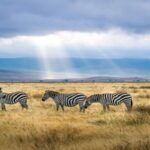
The park’s huge grasslands support large populations of herbivores and predators. UNESCO describes the annual migration of wildebeest, gazelles and zebras as one of the world’s major natural spectacles.
The Tanzania National Parks Authority currently describes the park as home to more than 1.5 million wildebeest, zebras and predators involved in the large annual migration. It also lists more than 500 bird species.
What can you see?
Depending on the area and season, wildlife can include:
- Wildebeest
- Zebras
- Lions
- Leopards
- Elephants
- Buffalo
- Rhinoceroses
- Cheetahs
- Giraffes
- Many bird species
When should you visit?
TANAPA highlights June to October as a popular dry-season period and January to February for the calving season. The exact timing and location of wildlife movements can vary from year to year.
If you’re specifically interested in the migration, don’t book based on a single calendar date. Work with a reputable safari operator that understands current wildlife movements.
Official source: Tanzania National Parks — Serengeti — open in new tab
2. Kruger National Park, South Africa
Best for: A flexible safari with a wide range of accommodation and self-drive options
Kruger National Park is one of the largest and most established safari destinations in southern Africa.
Managed by SANParks, the park covers nearly two million hectares and offers public rest camps, private lodge options and opportunities for visitors to explore in their own vehicles.
That variety makes Kruger particularly interesting for travelers who don’t want a traditional all-inclusive safari.
What can you do?
Depending on your itinerary, you can:
- Go on guided game drives
- Drive yourself through designated areas
- Stay in SANParks camps
- Go birdwatching
- Explore cultural and archaeological sites
- Spend several days moving between different parts of the park
SANParks currently lists 148 mammals and 546 bird species for Kruger.
Important planning point
Kruger is in a malaria-endemic area. SANParks advises visitors to consult a travel doctor or general practitioner about malaria prevention.
The official park website is the best place to check current entrance fees, accommodation, road information and visitor notices.
Official source: SANParks — Kruger National Park —
If you’re also planning a South Africa trip, you may want to read our 10 Best Things to Do in Cape Town, South Africa guide.
3. Chobe National Park, Botswana
Best for: Elephants, river scenery and a safari that combines land and water experiences
Chobe National Park is particularly well known for its elephant population and the Chobe River.
One of the interesting things about Chobe is that a safari does not have to mean sitting in a vehicle all day.
Boat trips can provide a different perspective on wildlife along the river, while traditional game drives explore the surrounding areas.
Why consider Chobe?
The park can be a good choice if you want to combine:
- Game drives
- Boat safaris
- Birdwatching
- River scenery
- Elephant viewing
The timing of your trip matters because water availability influences where wildlife gathers.
Planning tip
Chobe is also commonly included in larger Botswana itineraries, so consider how it fits with other destinations rather than planning it as an isolated stop.
4. Etosha National Park, Namibia
Best for: Waterhole wildlife viewing and unusual desert landscapes
Etosha National Park offers a very different safari setting from the grasslands of the Serengeti.
The Namibian Ministry of Environment, Forestry and Tourism describes Etosha as one of Africa’s largest national parks and highlights its enormous salt pan, waterholes and diverse wildlife.
The park covers about 22,935 square kilometers and contains more than 100 mammal species and over 400 recorded bird species, according to the ministry.
What makes Etosha different?
Its waterholes can become important wildlife-viewing locations, particularly during drier periods.
The official information also notes that the Okaukuejo waterhole can provide opportunities to see species such as black rhinoceros, lions and elephants at night.
Good for
- First-time safari travelers
- Photographers
- Self-drive travelers
- Desert landscapes
- Wildlife around waterholes
5. Bwindi Impenetrable National Park, Uganda
Best for: Mountain gorilla trekking and forest experiences
Bwindi Impenetrable National Park offers a very different experience from the open savannas associated with traditional African safaris.
The dense forest environment is one of the major reasons travelers visit.
The main attraction for many visitors is mountain gorilla trekking, which is a highly regulated wildlife experience.
What should you know?
Gorilla trekking requires advance planning, permits and a willingness to hike through forest terrain.
This isn’t the type of safari where you simply sit in a vehicle and wait for animals to appear.
You should also choose an experienced, properly licensed operator and follow all wildlife guidelines.
Who is it for?
Bwindi can be particularly interesting for travelers who:
- Want a wildlife experience beyond traditional game drives
- Enjoy hiking
- Are interested in primates
- Are comfortable with physically demanding activities
Official source: Uganda Wildlife Authority
6. Amboseli National Park, Kenya
Best for: Elephants and views toward Mount Kilimanjaro
Amboseli National Park is located in southern Kenya and is especially known for its elephant population and dramatic views toward Mount Kilimanjaro.
The Kenya Wildlife Service describes Amboseli as a major destination for elephant encounters and notes its combination of open plains, woodlands, wetlands and marshes.
The landscape can make for memorable wildlife photography because animals may appear against the mountain backdrop when visibility is good.
Beyond wildlife
Amboseli also has cultural significance, with Maasai communities living in the surrounding region.
If you arrange a cultural visit, choose an experience that works respectfully with local communities rather than treating culture as a performance.
Good for
- Elephant viewing
- Photography
- First-time safari travelers
- Combining Kenya wildlife with a broader itinerary
Official source: Kenya Wildlife Service — Amboseli National Park
7. Hwange National Park, Zimbabwe
Best for: Large wildlife landscapes and a less urbanized safari setting
Hwange National Park is Zimbabwe’s largest national park and is known for its varied wildlife habitats.
Its location makes it an interesting choice for travelers who want to combine a Zimbabwe safari with other destinations in the region.
Wildlife experiences can include elephants, lions, buffalo, giraffes, zebras and many other species.
Why consider Hwange?
One advantage of choosing a large park is that you can spend several days exploring different areas rather than treating the safari as a quick day trip.
For the most current information about access, accommodation and conservation conditions, check Zimbabwe Parks and Wildlife Management Authority information before booking.
Official source: Zimbabwe Parks and Wildlife Management Authority — open in new tab
8. Murchison Falls National Park, Uganda
Best for: Wildlife combined with dramatic river and waterfall scenery
Murchison Falls National Park offers something different again.
The Victoria Nile passes through the park before reaching the Murchison Falls area, creating a landscape where wildlife viewing and river experiences can be combined.
A typical visit can include:
- Game drives
- Boat trips
- Birdwatching
- Wildlife photography
- Viewing the falls
This can make Murchison Falls useful for travelers who want more variety than a standard game-drive itinerary.
Planning tip
Don’t assume that a park with several activities can be covered in a single day.
Allowing a few days gives you more flexibility and reduces the pressure to rush between experiences.
Official source: Uganda Wildlife Authority — open in new tab
9. Kgalagadi Transfrontier Park, South Africa and Botswana
Best for: Desert landscapes, predators and a more remote safari atmosphere
Kgalagadi Transfrontier Park is unusual because it is managed as a cross-border conservation area between Botswana and South Africa.
The South African government’s conservation information explains that the park was created by combining the former Kalahari Gemsbok National Park in South Africa and Gemsbok National Park in Botswana as a single ecological unit.
The environment is very different from the lush landscapes many people associate with African wildlife.
You’ll find:
- Red sand dunes
- Dry riverbeds
- Sparse vegetation
- Springbok
- Gemsbok
- Wildebeest
- Lions
- Leopards
- Cheetahs
- Hyenas
The park is particularly interesting for travelers who enjoy landscapes as much as wildlife.
One important detail
Although the park crosses an international border, travel arrangements and entry/exit requirements still matter. Check the current rules if your itinerary involves entering or leaving through different countries.
Official source: South African Department of Forestry, Fisheries and the Environment — Kgalagadi
10. A Note About Maasai Mara National Reserve
One clarification is important here.
You will often see the Maasai Mara included in lists of Africa’s best national parks, but technically it is a national reserve, not a national park.
That distinction matters when writing accurate travel content.
The Maasai Mara is still one of Kenya’s major wildlife destinations and forms part of the wider Serengeti-Mara ecosystem.
It is particularly known for:
- Large herds of wildebeest
- Lions and other predators
- Open grasslands
- Seasonal wildlife movements
- Balloon safari experiences
- Community and cultural tourism
If you’re interested in combining Kenya and Tanzania, the Mara and Serengeti can form part of a larger East African itinerary.
Official source: Kenya Wildlife Service
How to Choose the Right African National Park
There is no single park that fits every traveler.
Instead, start with the experience you want.
| If you want… | Consider… |
|---|---|
| Great Migration | Serengeti |
| Self-drive safari | Kruger or Etosha |
| Large elephant herds | Amboseli or Chobe |
| Water-based safari | Chobe |
| Desert landscapes | Etosha or Kgalagadi |
| Mountain gorillas | Bwindi |
| Cape + safari combination | Kruger |
| River and waterfall scenery | Murchison Falls |
| Predator-focused desert scenery | Kgalagadi |
| Kenya-Tanzania safari | Maasai Mara + Serengeti |
This table is not a ranking. Each destination offers a different type of experience.
How Many Days Do You Need for an African Safari?
There is no universal number, but rushing through several parks can make a safari less enjoyable.
For a first safari, three to five nights in one wildlife area can provide more time for multiple game drives and changing conditions than trying to visit several parks in just a few days.
If you’re combining countries, also remember to account for:
- International flights
- Domestic flights
- Border crossings
- Airport transfers
- Road travel
- Accommodation changes
- Rest days
A safari itinerary should be planned around travel time as well as wildlife viewing.
If you’re planning a broader Africa trip, our Top 10 Best Places to Visit in Africa for First-Timers can help you compare different types of destinations.
When Is the Best Time for an African Safari?
There isn’t one best month for the entire continent.
Africa is enormous, and climate patterns vary considerably between regions.
For example:
- Serengeti wildlife movements follow seasonal rainfall and grazing conditions.
- Southern African parks have different dry and wet seasons.
- Gorilla trekking in Uganda follows a different climate pattern from savanna safaris.
- Desert parks such as Etosha and Kgalagadi have their own seasonal characteristics.
This is why it is better to choose the park first and then research its seasonal conditions rather than assuming that one month works equally well everywhere.
If you’re specifically considering Tanzania, our Best Season to Visit Tanzania guide can help with the next stage of planning.
How Much Does an African Safari Cost?
Safari prices vary enormously.
Your final cost can depend on:
- Country
- Park fees
- Accommodation
- Number of safari days
- Private vs. shared game drives
- Domestic flights
- Transfers
- Season
- Tour operator
- Activities
There is no useful single “African safari price.”
For example, Kruger offers public camps and self-drive options in addition to private lodges, while some destinations rely much more heavily on guided safari packages. SANParks publishes separate conservation and accommodation information for Kruger.
The best approach is to compare complete itineraries, not just the advertised nightly accommodation price.
Responsible Safari Travel
Seeing wild animals is exciting, but responsible tourism should be part of the planning process.
Choose operators that:
- Follow wildlife-viewing rules
- Keep appropriate distances from animals
- Don’t encourage harmful animal interactions
- Employ trained local guides
- Support conservation
- Work respectfully with local communities
Conservation organizations such as African Parks emphasize the connection between protected-area management, biodiversity conservation and community development.
During your safari, follow your guide’s instructions.
Don’t feed animals, call them toward vehicles or try to get closer for a better photograph.
The best wildlife photograph isn’t worth disturbing an animal.
What to Pack for an African Safari
Your packing list depends on the destination and season, but some basics are useful:
- Lightweight clothing
- Comfortable walking shoes
- Sun protection
- Hat
- Sunglasses
- Insect repellent
- Binoculars
- Camera
- Extra phone or camera storage
- Reusable water bottle
- Small daypack
- Any required medications
- Copies of important travel documents
For a more complete international packing list, see our International Travel Packing Checklist.
Don’t assume that you need expensive safari clothing.
Comfortable, practical clothing is generally more useful than buying an entirely new wardrobe for one trip.
Final Thoughts
Africa’s national parks are not interchangeable.
The Serengeti offers huge open plains and seasonal wildlife movements. Kruger provides a flexible safari environment with self-drive possibilities. Etosha combines wildlife with a striking salt-pan landscape. Bwindi offers a forest trekking experience, while Amboseli is famous for elephants and views toward Mount Kilimanjaro.
That’s why choosing a safari destination should start with what you actually want to experience.
Instead of asking which park is number one, ask:
Do I want migration, elephants, predators, gorillas, desert scenery, self-driving, photography, or a combination of experiences?
Once you answer that question, narrowing down the right destination becomes much easier.
Frequently Asked Questions
Which African national park is best for first-time safari travelers?
There isn’t one universal choice. Kruger, Serengeti, Amboseli and Etosha all offer different safari experiences and levels of accessibility. Your choice should depend on your budget, preferred activities, travel dates and the wildlife you most want to see.
Where can I see the Great Migration?
The Great Migration moves through the Serengeti in Tanzania and the Maasai Mara ecosystem in Kenya. The timing and exact location change throughout the year, so a specific month does not guarantee that you’ll see a particular event.
Which African park is best for elephants?
Amboseli is particularly well known for its elephants, while Chobe is also famous for large elephant populations. The best choice depends on your broader itinerary and the season you’re traveling.
Can I drive myself through an African national park?
Yes, self-drive is possible in some parks, including Kruger, but rules vary by destination. Check the official park authority’s current requirements before planning a self-drive safari.
Are African safaris safe?
Wild animals are unpredictable, so visitors should follow park rules and guide instructions at all times. Don’t approach animals, leave vehicles where prohibited or attempt to feed wildlife.
How long should an African safari last?
A few days in one park can provide a better experience than trying to visit several parks in a very short itinerary. Your ideal length depends on the park, transportation and number of activities you want to include.