


10 Anti-Inflammatory Foods That Can Transform Your Health
Anti-inflammatory foods can quietly change your life, and honestly, most of us don’t even notice the shift until it happens. You wake up one morning, your joints feel lighter, your tummy stops complaining, and you think, “Wait, what changed?” Well, chances are, your plate did.
Inflammation is not always a bad thing. In fact, it’s your body’s natural way of protecting you when you get hurt or fall sick. But when inflammation stays for too long — the kind doctors call chronic inflammation — it starts causing trouble. Heart problems, joint pain, tiredness, and even mood swings can all be linked to it.
The good news? You can fight back with your fork. Let’s dive into the foods that reduce inflammation and see how they work their magic.
Why Chronic Inflammation Deserves Your Attention
Think of your body like a house. A small fire in the kitchen? You put it out quickly, no big deal. But a slow, hidden fire burning inside the walls for years? That’s dangerous, and you might not even smell the smoke until it’s too late.
Chronic inflammation works the same sneaky way. It builds up silently, often because of poor food choices, stress, and lack of sleep. Over time, it damages cells and increases oxidative stress in your body.
Here’s where an anti-inflammatory diet steps in. By choosing the right foods, you calm that hidden fire before it spreads.
The Best Anti-Inflammatory Foods to Add Today
Now for the fun part. Below are some of the best anti-inflammatory foods that are tasty, affordable, and easy to find in any kitchen or market.
1. Turmeric — The Golden Healer
You already know this one, right? Every Indian grandmother swears by haldi doodh. And she’s not wrong. Turmeric benefits your body because it contains curcumin, a powerful compound that fights inflammation head-on.
Just a pinch in your dal or milk goes a long way. Add a little black pepper too, because it helps your body absorb curcumin better.
2. Leafy Greens for Everyday Strength
Spinach, methi, and other leafy greens are packed with vitamins and antioxidants. These humble veggies are true inflammation-fighting foods.
They’re cheap, easy to cook, and they fill you up without weighing you down. Toss them into your curry, sabzi, or even a simple soup.
3. Berries — Small But Mighty
Blueberries, strawberries, and even our desi jamun are loaded with antioxidants. Berries help reduce oxidative stress and protect your cells from damage.
Sure, some can be a bit pricey. But even a small handful a few times a week makes a difference. Sweet, colourful, and healthy — what’s not to love?
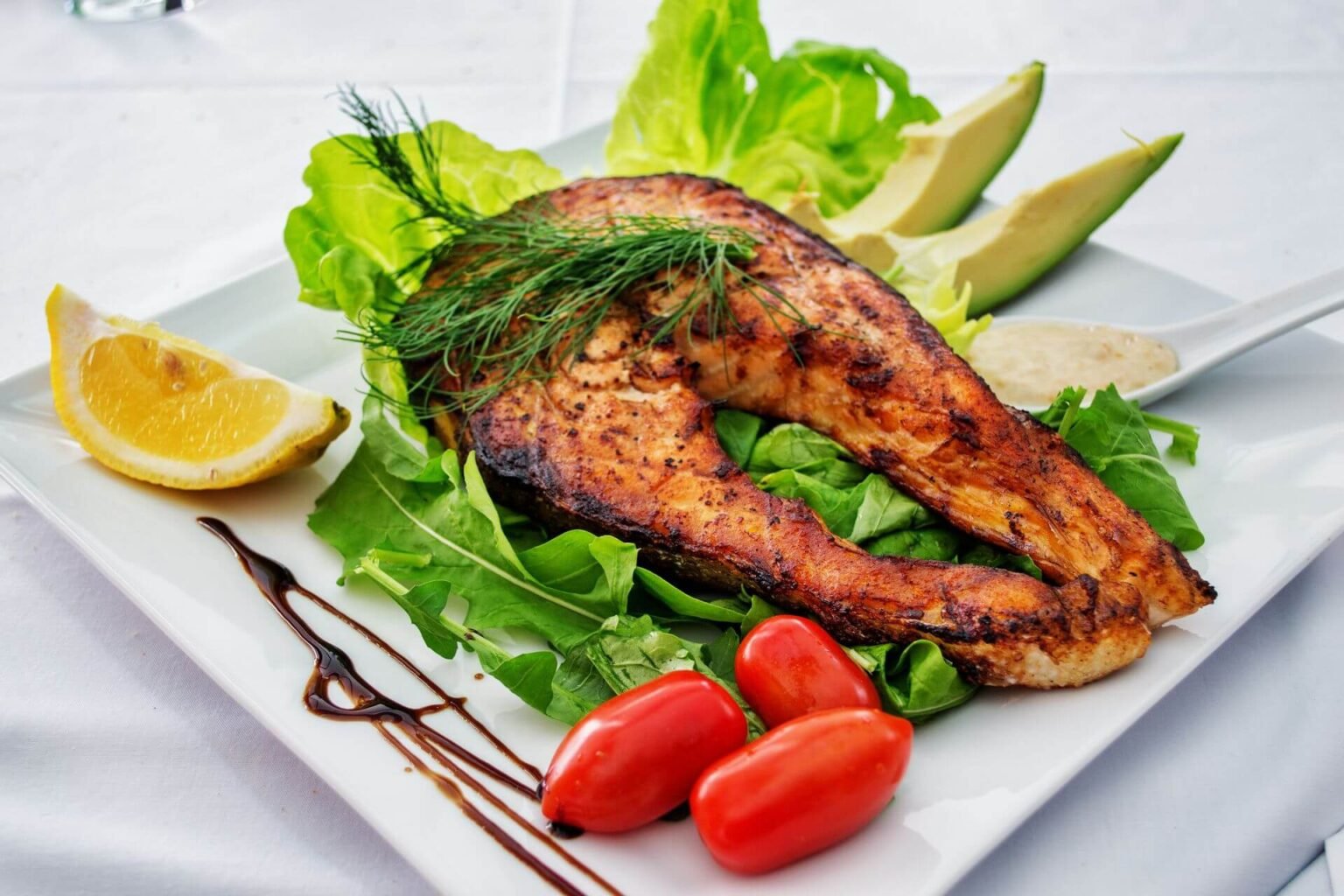
4. Fatty Fish and Omega-3 Fatty Acids
If you eat non-veg, fatty fish like salmon, sardines, and mackerel are golden. They’re rich in omega-3 fatty acids, which are famous for calming inflammation.
Not a fish fan? No worries. Walnuts, flaxseeds, and chia seeds also give you a good dose of these healthy fats.
5. Olive Oil — Liquid Gold for Your Heart
Swap that heavily processed cooking oil for olive oil once in a while. It contains healthy fats that support your heart and reduce inflammation.
Drizzle it over salads or use it for light cooking. A little goes a long way, and your body will thank you for it.
More Inflammation-Fighting Foods You Shouldn’t Miss
The list doesn’t stop there. Let me share a few more anti-inflammatory foods that deserve a spot on your plate.
6. Ginger — The Spicy Soother
Ginger benefits go way beyond adding flavour to your chai. This warm, spicy root helps ease pain and reduce inflammation naturally.
Feeling bloated or dealing with gut inflammation? A cup of ginger tea often does wonders. Simple, warming, and comforting.
7. Whole Grains Over Refined Ones
White bread and maida might taste nice, but they don’t do you any favours. Whole grains like brown rice, oats, and jowar are far better choices.
They’re full of fibre, which keeps your gut happy and helps lower inflammation. Your digestion improves, your energy stays steady, and you feel fuller for longer.
8. Nuts and Seeds for a Healthy Snack
Munching on almonds, walnuts, or pumpkin seeds? Good on you. These little bites are packed with healthy fats and nutrients that support a chronic inflammation diet.
Keep a small box handy at your desk. When hunger strikes, reach for nuts instead of chips.
9. Tomatoes — The Everyday Hero
Tomatoes are everywhere in Indian cooking, and that’s a blessing. They contain lycopene, a compound that helps lower inflammation.
Cooked tomatoes actually release more lycopene than raw ones. So that tomato curry you love? It’s doing more good than you thought.
10. Green Tea for a Calm Body
Trade one cup of your regular tea for green tea. It’s rich in antioxidants that fight oxidative stress and keep inflammation in check.
It’s light, refreshing, and perfect for a mid-afternoon break. Sip slowly and enjoy the calm.
Foods You Should Cut Back On
Adding good food is only half the story. You also need to watch out for the villains. The biggest culprits? Processed foods.
The processed food risks are real and often ignored. Packaged snacks, sugary drinks, and deep-fried treats push your inflammation levels up. They taste great in the moment but leave you feeling sluggish later.
I’m not saying never eat them. Life without an occasional samosa would be sad, wouldn’t it? But keeping them as rare treats instead of daily habits makes a huge difference.
How to Build a Simple Anti-Inflammatory Diet
Building an anti-inflammatory diet sounds fancy, but it’s actually pretty simple. You don’t need expensive superfoods or complicated recipes. Start small and stay consistent.
Fill half your plate with colourful vegetables and fruits. Add whole grains, some healthy fats, and a good protein source. Sprinkle in spices like turmeric and ginger. That’s it — you’re already on your way.
Small swaps add up. Choose olive oil over refined oil. Pick berries over biscuits. Drink green tea instead of a fizzy cold drink. Before you know it, these choices become habits.
The Real Benefits You’ll Feel
So, what happens when you stick with these foods that reduce inflammation? A lot of good stuff, honestly.
Your energy improves, your skin glows, and your gut inflammation eases up. Many people notice less joint pain and better sleep too. It’s like your whole body finally gets to relax.
And here’s the best part — you don’t have to be perfect. Progress beats perfection every single time. Even small changes bring real results over time.
Final Thoughts on Anti-Inflammatory Foods
At the end of the day, anti-inflammatory foods are not some magic pill. They’re simple, everyday choices that slowly build a healthier, happier you.
You already have most of these foods in your kitchen. Turmeric, ginger, leafy greens, tomatoes — they’ve been part of Indian meals for centuries. So really, your journey to better health starts with just a few smart tweaks.
Be kind to yourself, take it one meal at a time, and let your food do the healing. Your body is smarter than you think, and when you give it the right fuel, it truly shines.
Frequently Asked Questions
1. What are the best anti-inflammatory foods to start with?
Some of the best anti-inflammatory foods include turmeric, leafy greens, berries, fatty fish, and olive oil. These are easy to find, affordable, and simple to add to your daily meals.
2. Can an anti-inflammatory diet help with joint pain?
Yes, it often can. Many inflammation-fighting foods, like ginger, turmeric, and omega-3 fatty acids, help reduce swelling and ease joint discomfort over time.
3. How long does it take to see results?
It varies from person to person. Some people feel better within a few weeks, while others take a couple of months. Staying consistent matters more than being perfect.
4. Do I need to give up all processed foods?
Not completely. The processed food risks are real, but you can still enjoy treats once in a while. The trick is to keep them occasional instead of making them daily habits.
5. Are anti-inflammatory foods expensive?
Not at all. Many foods that reduce inflammation, like spinach, tomatoes, whole grains, and ginger, are budget-friendly and already common in Indian kitchens.