


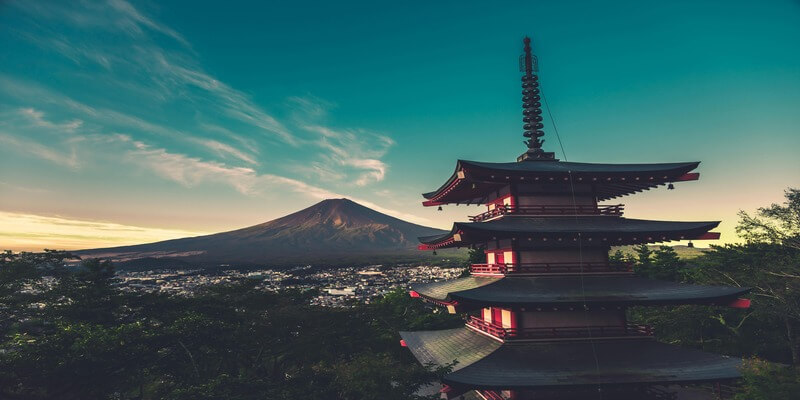
Why is everyone traveling to japan in 2026? 15 Reasons It’s the World’s Hottest Destination
When I booked my flight to Japan, I honestly thought the hype had to be exaggerated. Why is Everyone Traveling to japan in 2026
Everywhere I looked, someone was posting photos of cherry blossoms in Kyoto, late-night ramen in Tokyo, or videos of spotless streets and bullet trains that seemed to arrive down to the second. Friends who had visited kept saying the same thing: “You’ll understand once you’re there.”
I wasn’t convinced.
I’ve traveled to several countries, and I’ve learned that social media often shows only the highlights. Beautiful pictures rarely tell you about crowded attractions, expensive meals, or the little frustrations that come with traveling somewhere new.
But after spending time in Japan, I realized something surprising.
Most people aren’t traveling there because it’s trendy. They’re going because Japan offers a combination that’s genuinely difficult to find anywhere else. Modern cities, centuries-old traditions, incredible food, exceptional public transportation, stunning nature, and one of the safest travel experiences in the world all come together in one destination.
That doesn’t mean Japan is perfect. I made a few mistakes during my first visit, spent more money than I needed to, and underestimated just how much walking I’d be doing every day. But those experiences also helped me understand why so many travelers return again and again.
If you’ve been wondering why everyone seems to be traveling to Japan lately, here’s what I experienced firsthand and why I think the country deserves the attention it’s getting.
Why Is Japan So Popular Right Now?
Japan has always been a popular destination, but in the last few years, interest has exploded.
One reason is that travel has become much easier. More international flights, simplified planning tools, and better travel information online have made Japan feel less intimidating for first-time visitors.
Another reason is the value for money. Compared to what many travelers expect, Japan can actually be surprisingly affordable if you plan carefully. Hotels, transportation passes, convenience store meals, and budget accommodations often cost less than similar experiences in many major cities across North America or Western Europe.
Then there’s social media.
Short videos showing peaceful temples, colorful streets, vending machines selling everything imaginable, and perfectly organized train stations have inspired millions of people to add Japan to their bucket list.
The interesting part?
Most of those videos aren’t misleading. They’re simply showing a small piece of what everyday travel in Japan actually feels like.
1. Every City Feels Completely Different
One thing that surprised me most was how quickly the atmosphere changes between cities.
Many countries have cities that feel fairly similar.
Japan doesn’t.
Tokyo Feels Like the Future
Walking through areas like Shibuya and Shinjuku feels almost unreal.
Huge digital billboards light up entire buildings.
Train stations move millions of passengers every day with remarkable efficiency.
Tiny ramen shops sit next to luxury department stores.
One street can feel incredibly busy, while the next is calm and quiet.
Despite Tokyo’s size, I never felt overwhelmed for long because everything is so organized.
Even finding directions became easier than I expected thanks to clear station signs and navigation apps.
Kyoto Slows Everything Down
After Tokyo, arriving in Kyoto almost feels like entering another country.
Instead of skyscrapers, you’ll find peaceful temples, traditional wooden houses, stone pathways, and quiet gardens.
One early morning, I walked through the streets before most tourists arrived.
Hearing birds instead of traffic while passing centuries-old shrines was one of the most memorable moments of the trip.
That’s when I realized Japan isn’t just about technology.
It’s equally about preserving history.
Osaka Has Its Own Personality
If Tokyo impressed me with its scale and Kyoto with its beauty, Osaka won me over with its energy.
People seemed more relaxed.
Street food was everywhere.
The atmosphere felt lively without feeling rushed.
I probably ate more food in Osaka than anywhere else during the trip.
Which brings me to another reason people keep visiting Japan.
2. The Food Is Even Better Than You Imagine
Before visiting Japan, I thought Japanese food mostly meant sushi.
I couldn’t have been more wrong.
Japan has one of the most diverse food cultures I’ve experienced.
Even meals from convenience stores surprised me.
Fresh sandwiches.
Rice bowls.
Onigiri.
Desserts.
Everything tasted noticeably fresher than I expected.
One evening, I grabbed dinner from a convenience store simply because I was too tired to search for a restaurant.
I expected average food.
Instead, it became one of my favorite meals of the week.
That experience completely changed how I viewed budget travel in Japan.
Local Specialties Make Every City Worth Visiting
Another thing I loved was discovering regional dishes.
Instead of eating the same meals everywhere, every destination seemed to have something unique.
Tokyo is known for excellent sushi.
Osaka is famous for takoyaki and okonomiyaki.
Kyoto offers beautiful traditional cuisine and matcha desserts.
Hokkaido is celebrated for fresh seafood and rich dairy products.
Trying local specialties became part of the adventure rather than simply finding somewhere to eat.
3. Public Transportation Actually Lives Up to the Hype
Before arriving, I had heard countless stories about Japan’s trains.
People weren’t exaggerating.
The first time I boarded a Shinkansen (bullet train), I kept checking my watch because I couldn’t believe how precisely everything worked.
The train arrived almost exactly on schedule.
Passengers boarded calmly.
Within minutes, we were traveling at incredible speed while the ride remained surprisingly smooth.
What impressed me even more wasn’t just the technology.
It was how easy the system became after the first day.
At first, looking at Tokyo’s train map felt intimidating.
After using it a few times, it became second nature.
If you’re nervous about navigating Japan, don’t be.
Download offline maps, keep a transportation card handy, and give yourself one day to learn the basics.
After that, getting around becomes much easier than driving in many large cities.
4. Japan Feels Incredibly Safe
Safety is something many travelers don’t fully appreciate until they experience it themselves.
I noticed it in small ways.
People leaving laptops unattended in cafés.
Children walking to school independently.
Late-night train rides that felt calm rather than stressful.
Of course, no destination is completely crime-free, and travelers should always stay aware of their surroundings.
But compared to many major tourist destinations, Japan consistently felt comfortable, even when exploring unfamiliar neighborhoods after dark.
That peace of mind allows you to enjoy your trip instead of constantly worrying about your belongings.
5. Cleanliness Is Everywhere
One thing that puzzled me during my first few days was how clean everything looked.
Then I noticed something unusual.
Public trash cans weren’t nearly as common as I expected.
At first, this was confusing.
I found myself carrying empty drink bottles until I found somewhere appropriate to dispose of them.
Yet despite the limited number of bins, streets remained remarkably clean.
The experience taught me something simple.
People generally clean up after themselves.
That shared sense of responsibility creates an environment that visitors immediately notice.
It might seem like a small detail, but when you’re walking through busy neighborhoods without overflowing garbage or litter, the entire travel experience feels more enjoyable.
What I Learned During My First Week
Looking back, I realized I had made one big mistake before arriving.
I planned my itinerary around famous landmarks.
What actually made Japan memorable were the everyday moments.
Walking through quiet neighborhoods early in the morning.
Watching commuters politely line up for trains.
Ordering food from a tiny restaurant where no one spoke English, yet somehow everything worked out perfectly.
Browsing local convenience stores late at night.
Those small experiences told me far more about Japan than any famous attraction ever could.
And they explain why so many visitors return—not just once, but multiple times.
If someone had asked me before my trip what I expected Japan to be like, I probably would have said, “Amazing food, fast trains, and lots of temples.”
By the end of my journey, I realized that description barely scratched the surface.
What surprised me most wasn’t a famous attraction or a bucket-list experience. It was how Japan made everyday moments feel memorable. A simple walk through a quiet neighborhood, an evening spent watching locals enjoy cherry blossoms, or a cup of coffee from a tiny café tucked away on a side street often became the highlights of my day.
After covering the first five reasons why Japan has become one of the world’s most popular travel destinations, let’s continue with the reasons that made me understand why so many travelers can’t stop talking about this incredible country.
6. Every Season Feels Like a Different Country
One of the biggest reasons people visit Japan more than once is that every season offers a completely different experience.
Unlike many destinations where the weather changes but the attractions stay the same, Japan transforms throughout the year.
Spring Brings the Famous Cherry Blossoms
Even if you’ve seen thousands of cherry blossom photos online, standing beneath blooming sakura trees is something else entirely.
During my visit to a local park, families gathered for picnics while children played beneath the pink flowers. Office workers took lunch breaks under the trees, and photographers patiently waited for the perfect light.
It didn’t feel like a tourist attraction.
It felt like a national celebration.
The blossoms only last for a short time, which makes the experience feel even more special.
Summer Is Full of Festivals
Summer in Japan can be hot and humid, but it’s also festival season.
Many towns host traditional celebrations with fireworks, food stalls, music, and people dressed in colorful yukata.
One evening, I stumbled across a local festival by accident.
There were lanterns hanging above the streets, the smell of grilled seafood filled the air, and children were playing traditional festival games.
It wasn’t something I had planned.
It became one of my favorite memories.
Autumn Looks Like a Painting
If you’re not interested in crowds during cherry blossom season, autumn might be an even better choice.
The maple trees turn brilliant shades of red, orange, and yellow.
Temples in Kyoto surrounded by colorful leaves create scenes that almost don’t look real.
The weather is also comfortable for walking long distances, which is a huge advantage if you’re planning to explore several cities.
Winter Has Its Own Magic
Many travelers overlook Japan during winter, but that’s a mistake.
Northern regions like Hokkaido receive incredible snowfall, making them popular for skiing and snowboarding.
Even if you’re not into winter sports, relaxing in a hot outdoor onsen while snow falls around you is an unforgettable experience.
It’s one of those travel moments that photos simply can’t capture.
7. Japanese Hospitality Feels Genuine
Before visiting Japan, I’d heard about omotenashi, the country’s tradition of wholehearted hospitality.
I assumed it was just another travel buzzword.
It wasn’t.
Whether I checked into a hotel, asked for directions at a train station, or visited a small family-owned restaurant, people consistently went out of their way to help.
One afternoon, I looked confused while trying to find the correct train platform.
Without me asking, a station employee approached, checked my ticket, and personally walked me to the right platform.
That small act of kindness stayed with me.
You don’t need to speak fluent Japanese to feel welcome.
A smile, patience, and a few simple phrases like “Arigatou” (thank you) go a long way.
8. Shopping Isn’t Just About Luxury Brands
I expected shopping in Japan to be expensive.
Instead, I found something for every budget.
Of course, districts like Ginza offer luxury boutiques, but that’s only one side of the experience.
Some of my favorite purchases came from affordable stores and local markets.
Popular places to explore include:
- Unique stationery shops with products you won’t easily find elsewhere.
- Anime and gaming stores filled with collectibles.
- Japanese skincare and beauty products.
- Traditional handmade souvenirs.
- High-quality kitchen tools and knives.
- Affordable fashion stores.
Even convenience stores stock practical travel items that are surprisingly well-designed.
I ended up buying more everyday essentials than expensive souvenirs.
9. Nature Is Never Far Away
Many people imagine Japan as one giant city filled with skyscrapers.
That couldn’t be further from reality.
Once you leave the busiest urban areas, the scenery changes quickly.
During my trip, I was surprised by how easy it was to find peaceful hiking trails, mountain villages, bamboo forests, lakes, and coastal views.
Some of the most beautiful places aren’t famous landmarks at all.
They’re quiet countryside roads where the only sounds are birds and flowing rivers.
If you enjoy outdoor adventures, Japan offers:
- Mountain hiking
- National parks
- Volcano viewpoints
- Scenic lakes
- Coastal walks
- Bamboo forests
- Waterfalls
- Beautiful countryside train routes
It’s one of the few countries where you can spend the morning exploring a futuristic city and the afternoon surrounded by nature.
10. Pop Culture Brings Japan to Life
Even if you’re not a huge anime fan, it’s impossible to ignore Japan’s influence on global entertainment.
Walking through districts like Akihabara in Tokyo feels like stepping inside a different world.
Arcades stretch across multiple floors.
Gaming stores showcase the latest releases.
Collectible shops attract visitors from around the globe.
What impressed me most wasn’t the merchandise.
It was seeing how passionate people were about their hobbies.
Families, students, and older adults all enjoyed the same spaces together.
It created an atmosphere that felt welcoming rather than exclusive.
11. Japan Is Surprisingly Easy for First-Time International Travelers
Before my first visit, I worried about the language barrier.
Would I get lost?
Would ordering food be difficult?
Would transportation be confusing?
In reality, Japan turned out to be much easier than I expected.
Here are a few things that helped:
Navigation Apps Work Extremely Well
Google Maps became one of my most valuable travel tools.
It accurately showed train platforms, transfers, walking directions, and estimated travel times.
I rarely felt lost.
Many Signs Include English
Major train stations, airports, tourist attractions, and transportation systems usually include English signs alongside Japanese.
That makes moving between cities much less stressful.
Restaurants Often Use Picture Menus
Even when English wasn’t widely spoken, many restaurants displayed photos of their dishes.
Ordering became as simple as pointing at what looked delicious.
Sometimes those spontaneous choices turned into my favorite meals.
12. Japan Gives You Great Value for Your Money
This was probably the biggest surprise of my trip.
Many people assume Japan is one of the world’s most expensive destinations.
It certainly can be if you stay in luxury hotels and dine at high-end restaurants every night.
But it doesn’t have to be.
I found plenty of ways to travel comfortably without overspending.
Affordable Meals
Some of the best meals I had cost less than what I’d normally spend on fast food back home.
Ramen shops, curry restaurants, and convenience stores offered fresh, satisfying meals at reasonable prices.
Clean Budget Hotels
Even smaller hotels were spotless, comfortable, and efficiently designed.
Rooms were compact, but they had everything I needed after a full day of exploring.
Excellent Transportation
While long-distance train tickets can be expensive, Japan’s transportation system saves valuable travel time.
Instead of spending hours driving or waiting for delayed buses, I reached my destinations quickly and comfortably.
Sometimes paying a little more for transportation actually gave me more time to enjoy the country.
Practical Tips That Made My Trip Much Easier
After spending time in Japan, there are a few things I wish someone had told me before I arrived.
Wear Comfortable Walking Shoes
I underestimated how much walking I’d do every day.
Some days I easily covered more than 20,000 steps without realizing it.
Good shoes make a huge difference.
Carry a Small Coin Purse
Japan still uses cash in many smaller businesses.
You’ll often receive several coins as change.
Keeping them organized makes paying much easier.
Travel Light
Many train stations involve stairs, transfers, and walking.
Dragging a large suitcase everywhere quickly becomes exhausting.
If possible, pack lighter than you think you’ll need.
Learn a Few Basic Japanese Words
You don’t need to become fluent.
Simple phrases like:
- Hello
- Thank you
- Excuse me
- Please
show respect and are genuinely appreciated by locals.
A Small Moment I’ll Never Forget
One rainy evening in Kyoto, I ducked into a tiny café to escape the weather.
The owner greeted everyone with a warm smile, even though we spoke almost no common language.
He pointed to a handwritten menu, recommended a slice of homemade matcha cake, and served it with freshly brewed coffee.
Outside, tourists hurried past with umbrellas, trying to reach the next famous attraction.
Inside, everything felt calm.
That quiet hour reminded me that travel isn’t only about checking famous places off a list.
Sometimes the memories you treasure most happen when you slow down and simply enjoy where you are.
By the time my trip was coming to an end, I understood why so many people say, “Japan ruined other destinations for me.”
That might sound dramatic, but after experiencing the country’s efficiency, hospitality, incredible food, and unforgettable scenery, I could see where they were coming from.
What surprised me most wasn’t that Japan lived up to the hype—it was that it exceeded it in ways I never expected. The little moments, like watching commuters quietly wait for a train, enjoying a bowl of ramen in a tiny family-run restaurant, or wandering through peaceful streets before sunrise, became the memories I talked about long after I got home.
If you’re wondering whether Japan deserves a place on your travel bucket list, here are the final reasons that make it one of the most visited countries in the world.
13. Japan Balances Ancient Traditions and Modern Life
One of the things that fascinated me throughout my trip was how naturally Japan blends the old with the new.
In many countries, modern development often replaces history.
Japan somehow manages to preserve both.
In the morning, you might visit a centuries-old temple where people quietly pray and follow traditions that have existed for generations.
An hour later, you could be standing in one of the world’s busiest shopping districts surrounded by giant digital screens and cutting-edge technology.
That contrast never felt strange.
Instead, it made every day feel different.
One morning in Kyoto, I watched monks sweeping temple grounds before visitors arrived.
That same evening, I found myself in Tokyo watching robots serve customers in a themed café.
Very few destinations offer experiences that feel this varied in such a short amount of time.
14. Every Neighborhood Has Its Own Story
Many travelers focus only on famous landmarks like Mount Fuji, Tokyo Tower, or the Fushimi Inari Shrine.
They’re all worth seeing.
But some of my favorite memories came from places that never appeared in my guidebook.
I enjoyed wandering through quiet residential streets, discovering neighborhood bakeries, small bookstores, local parks, and family-owned cafés.
Those moments made Japan feel real rather than just a collection of tourist attractions.
Sometimes I’d intentionally turn down a random side street instead of following Google Maps exactly.
More often than not, I’d discover something unexpected—a hidden shrine, a tiny ramen shop with only six seats, or a peaceful garden where hardly anyone else was visiting.
Those unexpected discoveries became the highlights of my trip.
15. It’s a Destination That Makes You Want to Return
I’ve visited countries where I felt satisfied after seeing the main attractions.
Japan wasn’t one of them.
As my flight home approached, I already had a mental list of places I wanted to visit next time.
I hadn’t seen Hokkaido’s snowy landscapes.
I wanted to explore Okinawa’s beaches.
I’d missed several mountain villages in the Japanese Alps.
And there were still countless local restaurants I wished I’d tried.
That’s one reason Japan keeps attracting repeat visitors.
You don’t feel like you’ve “finished” the country after one trip.
Instead, every visit leaves you curious about what you haven’t experienced yet.
A Simple 10-Day Japan Itinerary for First-Time Visitors
If it’s your first time visiting Japan, I wouldn’t try to see everything.
One mistake many travelers make is trying to squeeze six or seven cities into a single trip.
Instead, slow down and enjoy each destination.
Here’s an itinerary that gives you a great mix of culture, food, and sightseeing.
Days 1–4: Tokyo
Spend your first few days exploring Tokyo.
Visit neighborhoods like Shibuya, Shinjuku, Asakusa, and Ueno.
Take your time adjusting to the time zone, learning the train system, and enjoying the city’s incredible food scene.
Days 5–7: Kyoto
Travel to Kyoto on the Shinkansen.
Explore temples, bamboo forests, traditional streets, tea houses, and beautiful gardens.
Wake up early to visit popular attractions before the crowds arrive.
It makes a huge difference.
Days 8–9: Osaka
Head to Osaka for amazing street food and a more relaxed atmosphere.
Visit Dotonbori in the evening, try local specialties, and enjoy the city’s lively nightlife.
If you have extra time, consider a day trip to Nara to see its famous free-roaming deer and historic temples.
Day 10: Return to Tokyo
Depending on your flight, return to Tokyo for some last-minute shopping or sightseeing before heading to the airport.
This route is popular for a reason.
It gives you a balanced introduction to Japan without feeling rushed.
Common Mistakes First-Time Travelers Make
I made a few of these mistakes myself, so hopefully you won’t have to.
1. Trying to Do Too Much
Japan is larger than many people realize.
Traveling between cities is easy, but constantly moving from one place to another can become exhausting.
Leave room in your schedule for spontaneous discoveries.
2. Underestimating Walking Distances
Even when you take trains everywhere, you’ll still walk a lot.
Comfortable shoes aren’t optional—they’re essential.
3. Only Eating at Famous Restaurants
Some of the best meals I had weren’t recommended by travel guides.
Don’t be afraid to step into smaller local restaurants where you see residents dining.
Often, those hidden gems offer unforgettable food and a more authentic experience.
4. Visiting Popular Attractions Too Late
Places like Fushimi Inari Shrine, Senso-ji Temple, and Arashiyama Bamboo Grove become very busy by mid-morning.
Arriving early doesn’t just help you avoid crowds—it completely changes the atmosphere.
5. Packing Too Much
I packed clothing I never wore.
Japan has laundromats, convenience stores, and pharmacies almost everywhere.
Packing lighter makes traveling between cities much easier.
Budget Tips That Actually Help
Japan doesn’t have to be an expensive destination.
Here are a few practical ways to save money without sacrificing the experience.
Stay Near Train Stations
Hotels close to major stations might cost a little more, but they often save time and transportation costs throughout your trip.
Eat Like the Locals
You don’t need expensive restaurants for great food.
Small ramen shops, sushi counters, curry restaurants, and convenience stores offer excellent meals at reasonable prices.
Buy Attraction Tickets in Advance
Some popular attractions and observation decks offer online booking.
Planning ahead can save both money and waiting time.
Carry a Reusable Water Bottle
Many public places have clean drinking water available.
Refilling your bottle instead of constantly buying drinks is a simple way to reduce costs and plastic waste.
Frequently Asked Questions
Is Japan worth visiting for first-time international travelers?
Absolutely.
Japan is one of the easiest countries to explore thanks to its reliable transportation, excellent safety, clean cities, and welcoming atmosphere.
What is the best month to visit Japan?
It depends on what you’re looking for.
- March to April: Cherry blossom season.
- May: Pleasant weather with fewer crowds after Golden Week.
- October to November: Beautiful autumn foliage and comfortable temperatures.
- December to February: Winter sports, hot springs, and festive illuminations.
Each season offers something unique.
Is Japan expensive?
It can be, but it doesn’t have to be.
If you choose budget-friendly hotels, eat at local restaurants, and plan transportation wisely, Japan can be more affordable than many travelers expect.
How many days are enough?
For a first visit, I’d recommend 10 to 14 days.
That gives you enough time to experience Tokyo, Kyoto, Osaka, and perhaps one additional destination without feeling rushed.
Is English widely spoken?
English isn’t spoken everywhere, but you’ll find English signs in major cities, airports, train stations, and many tourist attractions.
Translation apps also make communication much easier than it was a decade ago.
Final Thoughts: So, Why Is Everyone Traveling to Japan?
After spending time there, I don’t think the question is “Why is everyone traveling to Japan?”
The better question is:
“Why did so many of us wait so long to visit?”
Japan offers something that few destinations can match. It combines world-class cities, timeless traditions, breathtaking landscapes, unforgettable food, and a level of organization that makes traveling feel remarkably stress-free.
What stayed with me wasn’t just the famous landmarks or the photos I took.
It was the quiet moments.
Watching the sunrise over a peaceful temple.
Sharing a meal with friendly locals.
Getting lost in a neighborhood that wasn’t listed in any travel guide.
Those experiences reminded me that the best trips aren’t always about checking off attractions—they’re about connecting with a place in a meaningful way.
If you’re planning your next international adventure, Japan deserves serious consideration. Whether you’re traveling solo, with friends, as a couple, or with your family, it offers experiences that appeal to every type of traveler.
And don’t be surprised if, before your flight home, you’re already thinking about everything you want to see on your next visit. That’s exactly what happened to me—and judging by the millions of travelers who return every year, I’m clearly not the only one.