



7 Heart Healthy Habits: How to Lower Your Risk of Heart Disease
Heart-healthy habits are truly the best gift you can give yourself. Honestly, your heart works hard every single second, so why not take care of it in return? The good news is that protecting your heart is not rocket science. Small, simple changes in your daily life can make a huge difference over time.
Many people think heart problems only happen to older folks. But wait, that is not fully true anymore. These days, even young adults are facing heart issues because of stress, junk food, and long sitting hours. So let us talk about how you can build strong heart-healthy habits and keep your ticker happy for years to come.
Why Your Heart Needs Extra Love
Your heart is basically a pump. It sends blood, oxygen, and nutrients to every part of your body. When this pump gets tired or blocked, trouble begins.
Understanding heart disease risk factors is the first step. Some risk factors you cannot change, like your age or family history. But most of them? You can control them easily with a little effort and consistency.
High blood pressure, high LDL cholesterol, smoking, obesity, and diabetes are the big villains here. The more you know about these enemies, the better you can fight them. Knowledge really is power, my friend.
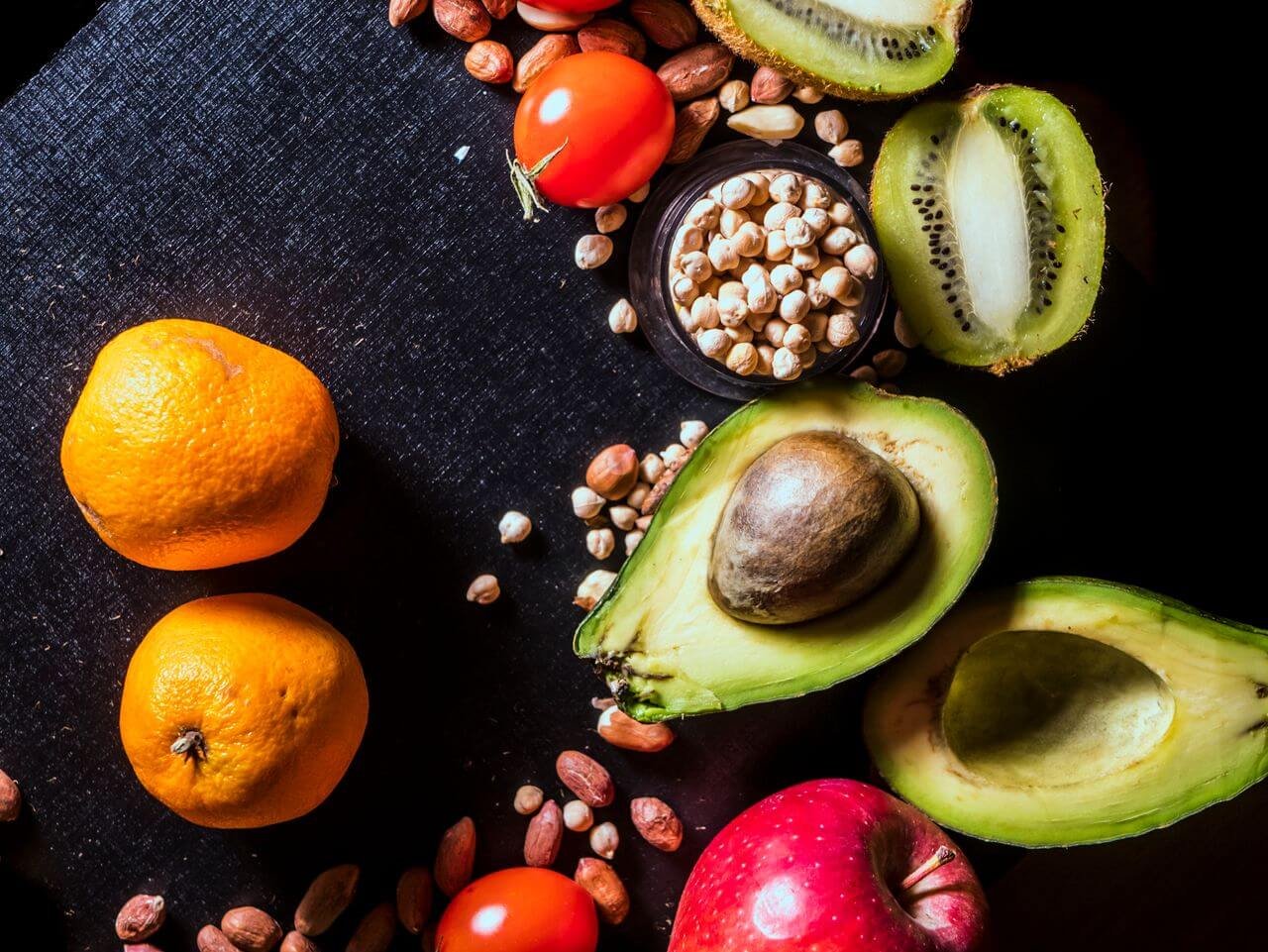
Let us start with food, because what you eat matters a lot. Choosing the right foods for heart health can literally add years to your life.
The famous Mediterranean diet is a wonderful choice. It focuses on fruits, vegetables, whole grains, nuts, and olive oil. People who follow this style of eating often enjoy better cardiovascular health and fewer heart problems.
Add more healthy fats to your plate. Foods like walnuts, almonds, flaxseeds, and fatty fish are amazing. They help lower cholesterol naturally and reduce inflammation in your body.
Cut down on fried snacks, sugary drinks, and processed items. I know, I know, samosas taste heavenly. But too much of them clogs your arteries slowly and quietly. Balance is the key, not total restriction.
Also, keep an eye on your sodium intake. Too much salt pushes your blood pressure up. Try using herbs and spices instead of extra salt to add flavour to your meals.
Move Your Body Every Day
Sitting all day is the new smoking, as many doctors say. Your heart loves movement, so give it plenty of chances to work.
Cardiovascular exercise is your best buddy here. A brisk 30-minute walk, cycling, swimming, or dancing can do wonders. These activities pump up your heart rate in a healthy way and keep your blood flowing smoothly.

You do not need a fancy gym membership either. Climbing stairs, gardening, or playing with your kids counts too. The trick is to stay active and consistent, not perfect.
Regular exercise also helps with weight management, which protects your heart big time. When you carry less extra weight, your heart does not have to strain so much. It is a win-win situation.
Keep Your Numbers in Check
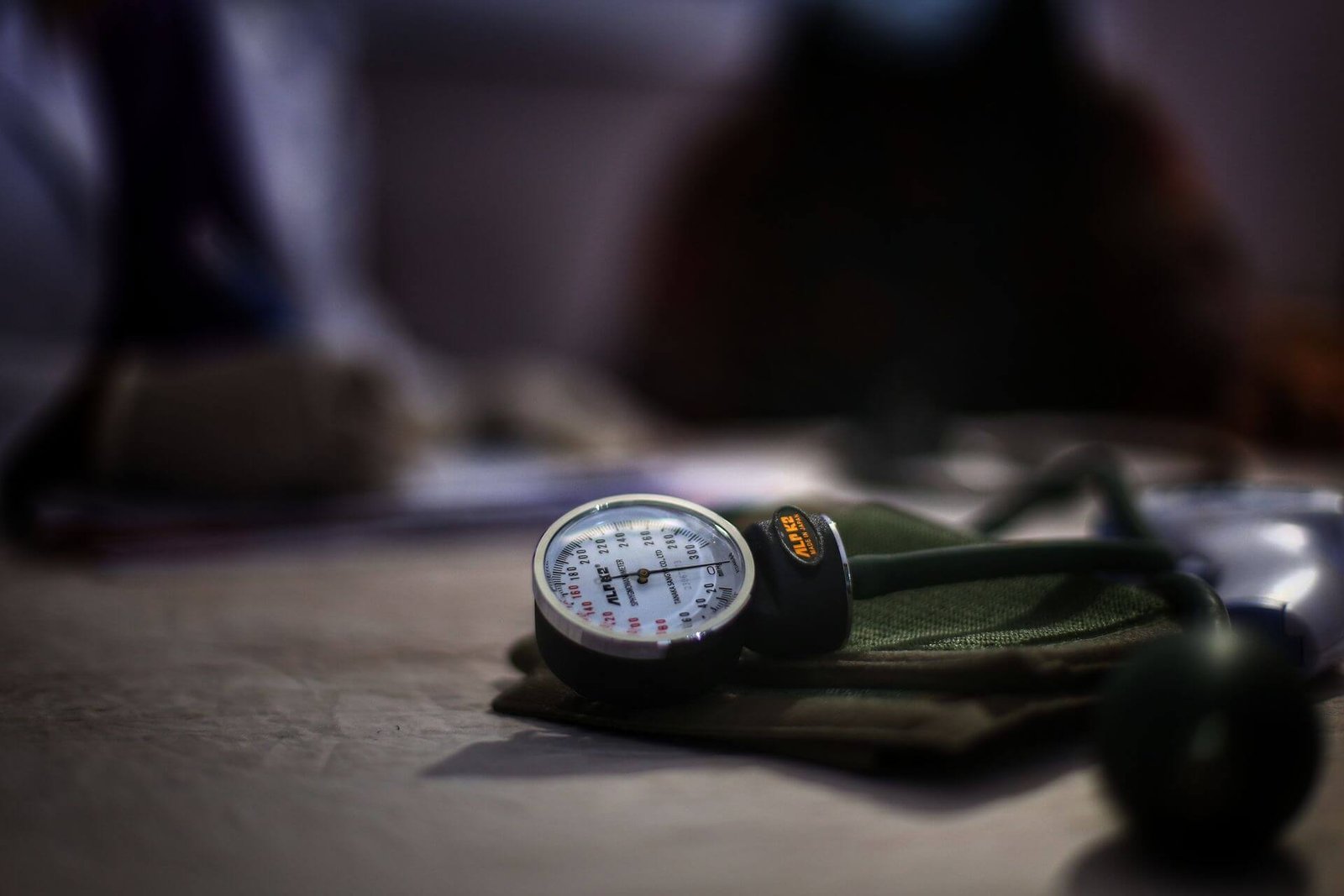
Numbers do not lie, especially when it comes to your health. Blood pressure control is one of the most important heart-healthy habits you can build.
Check your blood pressure regularly. If it stays high, please talk to your doctor without delay. Small steps like reducing salt, exercising, and managing stress can bring it down.
Watch your cholesterol levels too. High LDL cholesterol sticks to your arteries and blocks blood flow. To lower cholesterol naturally, eat more fibre, stay active, and choose good fats over bad ones.
Sugar levels matter as well. Uncontrolled diabetes quietly damages your blood vessels over time. So testing your numbers now and then is a smart, caring move.
The Magic of Meal Timing
Here is something many people ignore, meal timing. When you eat can be almost as important as what you eat.
Try to have your dinner early, ideally two or three hours before bed. Late-night heavy meals confuse your body and mess with your metabolism. And nobody wants that, right?
Eating at regular intervals keeps your energy stable and reduces overeating. Skipping meals and then binging later is not good for your heart. Slow and steady eating habits truly win the race.
Say Goodbye to Smoking
If you smoke, this section is your wake-up call. Quitting smoking is one of the smartest things you can ever do for your heart.
Cigarettes damage your blood vessels and raise your heart rate in a harmful way. They also lower your good cholesterol and increase clot risk. Basically, smoking attacks your heart from every angle.
The moment you quit, your body starts healing. Within just one year, your heart disease risk drops sharply. It is never too late to stop, so take that brave first step today.
Manage Stress Like a Pro
Stress is sneaky. It hides in the background and slowly hurts your heart. Chronic stress raises blood pressure and pushes people towards unhealthy habits like overeating and smoking.
So learn to relax, seriously. Deep breathing, meditation, yoga, or even a quiet cup of tea can calm your mind. These simple cardiovascular health tips work better than you might expect.
Sleep also plays a huge role. Poor sleep messes with your heart and raises your risk. Aim for seven to eight hours of good, restful sleep each night.
Laughing with friends, spending time in nature, and doing hobbies you love, all these lift your mood. A happy mind often means a healthy heart. Funny how that works, isn’t it?
How to Prevent Heart Disease Long-Term
Now let us tie it all together. Learning how to prevent heart disease is really about building a lifestyle, not doing a quick fix.
Consistency beats intensity every single time. You do not have to change everything overnight. Pick one habit, master it, then move to the next one slowly.
Drink plenty of water throughout the day. Staying hydrated helps your heart pump blood more easily. Simple, yet super effective.
Limit alcohol too. A little now and then may be fine, but too much harms your heart and liver. Moderation, once again, is your golden rule.
Go for regular health check-ups. Early detection saves lives, no doubt about it. Catching a problem early is always easier than fixing a big one later.
Small Habits, Big Rewards
Building heart-healthy habits is a journey, not a race. Every good choice you make adds up over time. Rushing through breakfast today, walking a bit more tomorrow, these tiny steps create lasting change.
Remember, your heart never takes a break, so return the favour with love and care. Eat well, move often, sleep enough, and smile more. Your future self will thank you a hundred times over.
Start today, not someday. Because when your heart is strong, life simply feels better and brighter.
Frequently Asked Questions
- What are the easiest heart-healthy habits to start with?
Start small and simple. Walking for 30 minutes daily, cutting down on salt and sugar, drinking enough water, and sleeping well are the easiest habits to begin. These small steps slowly build a strong foundation for better cardiovascular health.
- How can I lower cholesterol naturally without medicine?
You can lower cholesterol naturally by eating more fibre, choosing healthy fats like nuts and olive oil, and staying active. Regular cardiovascular exercise and cutting fried foods also help a lot. Still, always check with your doctor before stopping any medication.
- Which foods are best for heart health?
Some of the top foods for heart health include leafy greens, berries, fatty fish, walnuts, oats, and olive oil. The Mediterranean diet, which combines many of these, is one of the best eating styles for a strong and happy heart.
- Does stress really affect my heart?
Yes, it truly does. Chronic stress raises blood pressure and often leads to poor habits like overeating and smoking. Managing stress through yoga, deep breathing, good sleep, and hobbies is a simple but powerful way to protect your heart.
- How does quitting smoking help prevent heart disease?
Quitting smoking improves your blood vessels, lowers your heart rate, and raises your good cholesterol. Within just one year of quitting, your heart disease risk drops sharply. It is one of the fastest ways to protect your heart, no matter your age.